The Eggs and Petroleum Tanks of Iceland’s Merry Bay

The Eggin í Gleðivik are one of Iceland’s national treasures. They represent the eggs of the main birds of Iceland, carved by Sigurður Guðmundsson, and set up permanently in the Djúpivogur Harbour.


Well, sure, you can show an image of them looking out to sea, all pristine and romantic like, but Iceland is neither pristine nor romantic. It is real, and it has rust.

Best to keep that in mind. Beautiful, isn’t it!

(You can read more about the eggs, and view an image without the oil tanks, here.)

Gunnar Gunnarsson and Lichen Poetry: the Price of Literacy

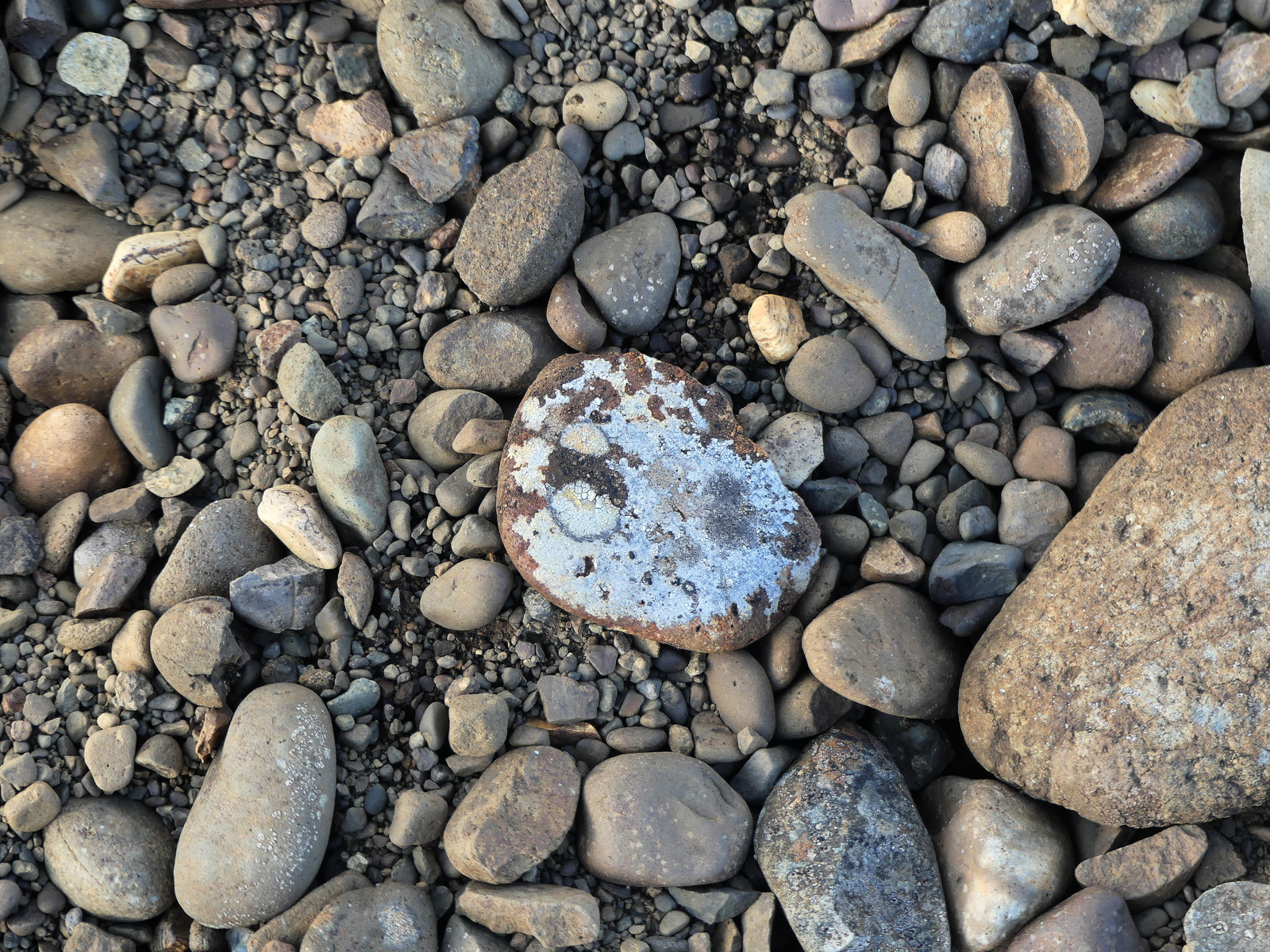
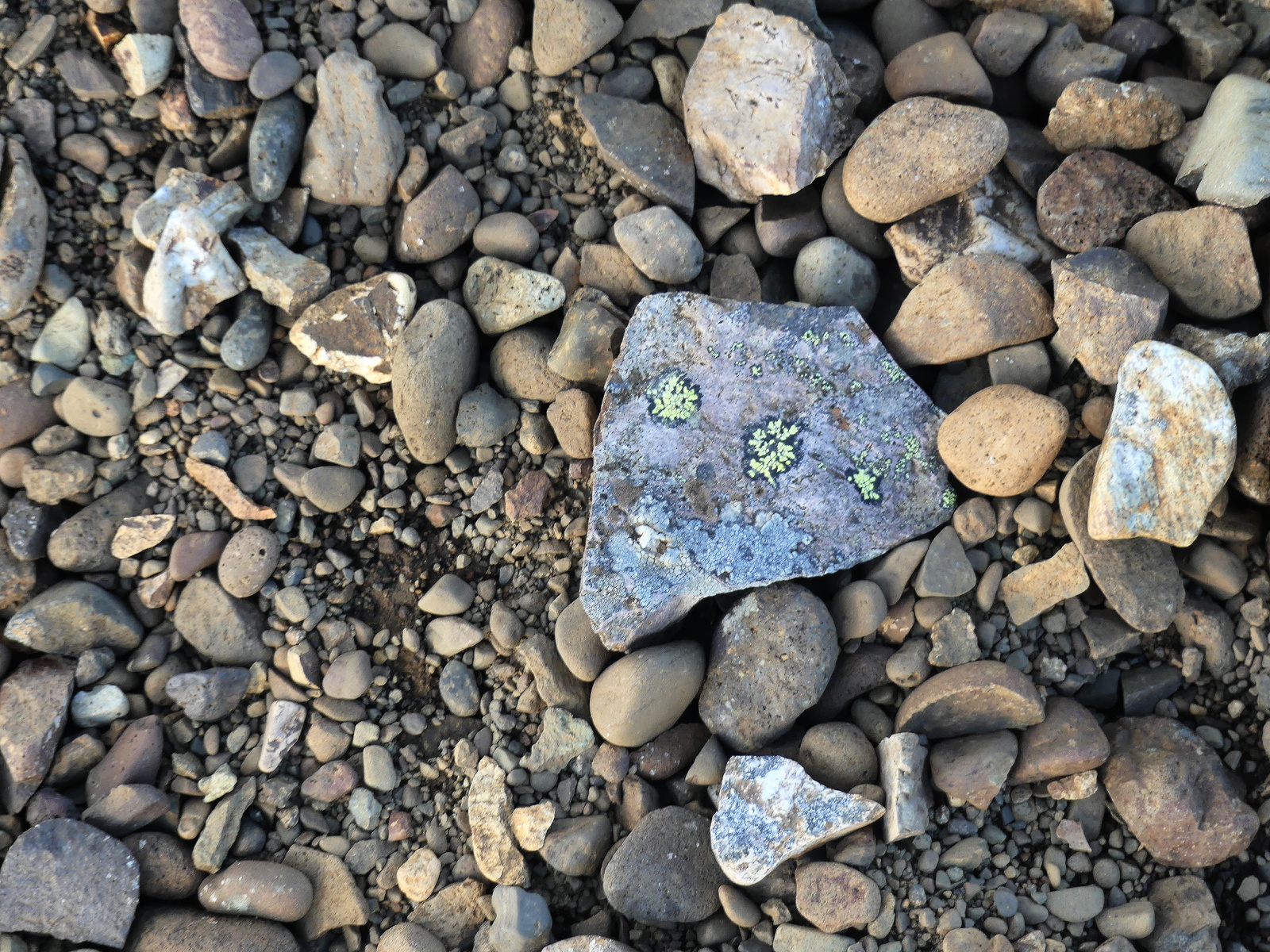
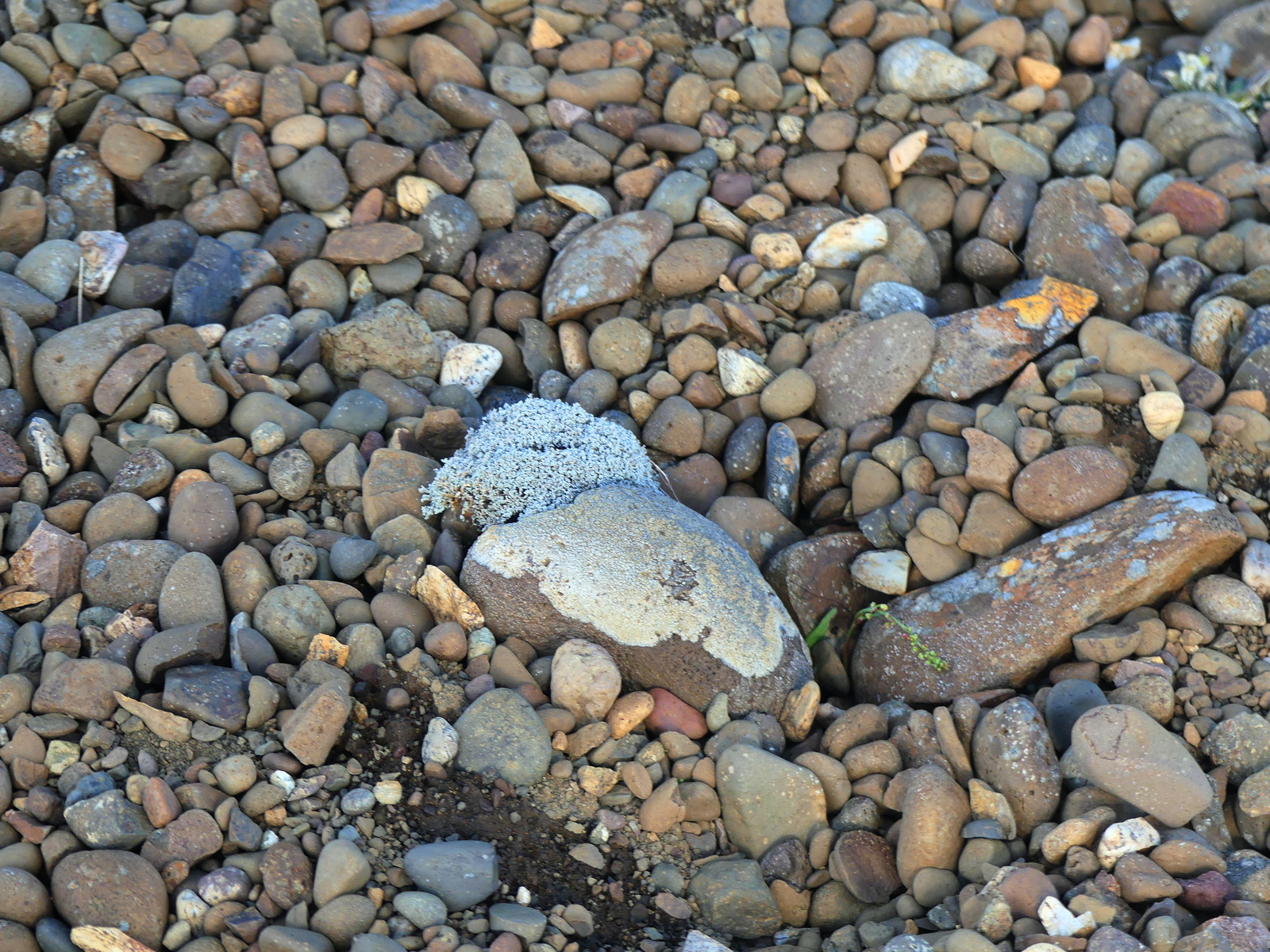
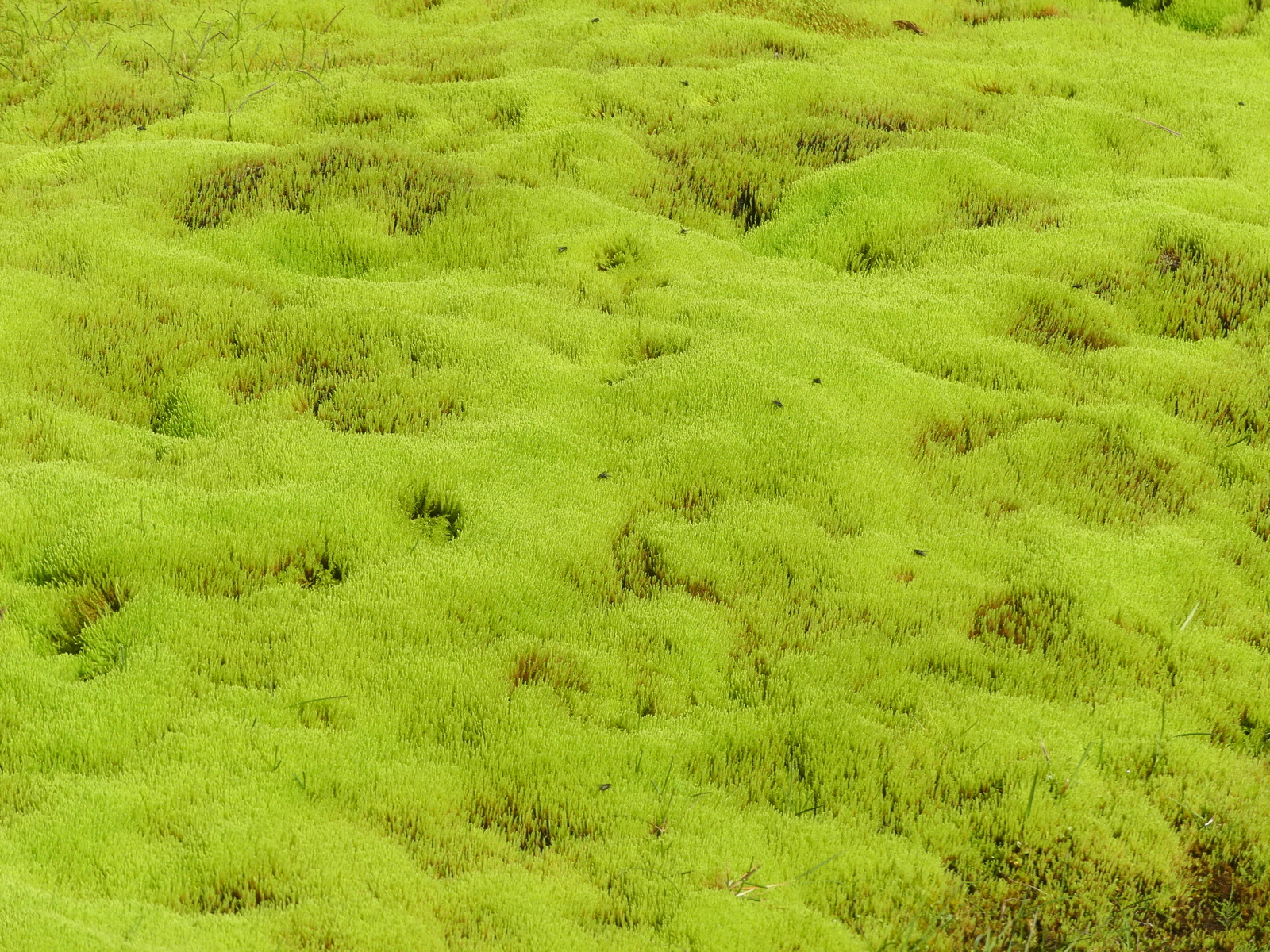
In 1907, Gunnar Gunnarsson left this.Under the spell of universal education and the promise made to all country boys that through book literacy they could be a part of the world of power, Gunnar Gunnarsson accepted a scholarship to study at the Askov School in Denmark. It ran a program for colonial boys, as a means of building belief in a unified Scandinavian country, the United States of Scandinavia, so to speak. It seemed a better idea than conquest by the Germans (again) or the violent revolutions of Nationalism that were, even then, sweeping through Europe, and which would bring their tragic consequences in 1914, the year the world ended. All that is repeating itself in the struggles between nationalism, liberalism, immigration and military alliance that is shaking Europe (and the world) right now, so it’s timely to look at what Gunnar left. Especially since the power he sought was denied, because it was always a ruse. What he left, as I said above, is this.

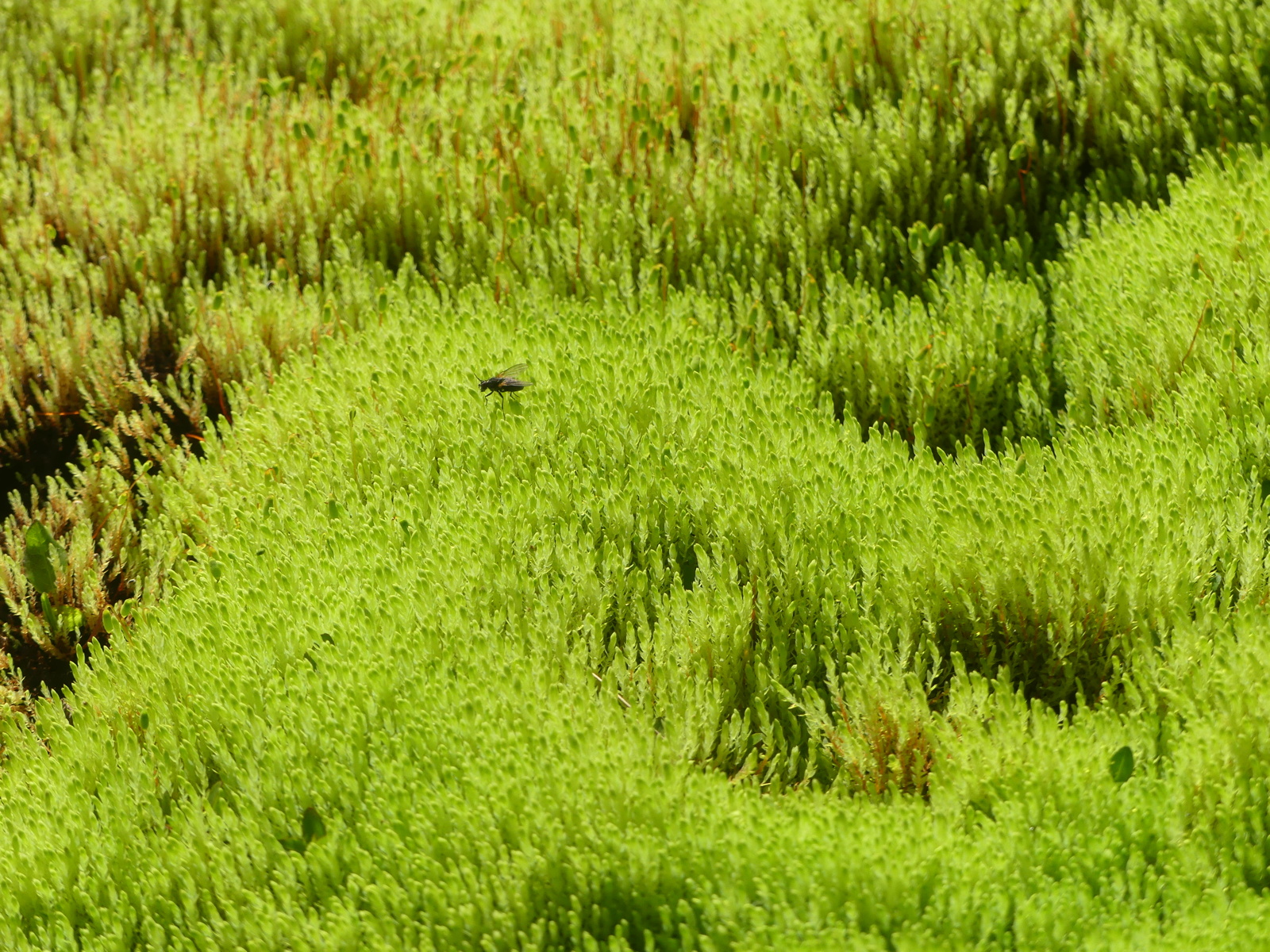
This is lichen, the little lick, the little læk or stream, or as we put it in English today, the little lake where the streams gather (and where we can come to lick. In fact, we are drawn to do so by a shared nature across states of be-ing.) It is a little world, or the big one in miniature.

In Gunnar’s Iceland, the one his education took him from, it was also an art form: a form of poetry.

Intriguingly, it was not written by humans; only found and read by them.

I suspect that the reading was not a matter of words, or at least the kind that appear in books.

It’s been 112 years now. The poetry is still here.


The whole literary discussion, now much out-dated, as to whether poetry is given or created by poets, replaced this art form. The readers of it knew the answer.

It still looks very fine.

~

Images from Starmyri.

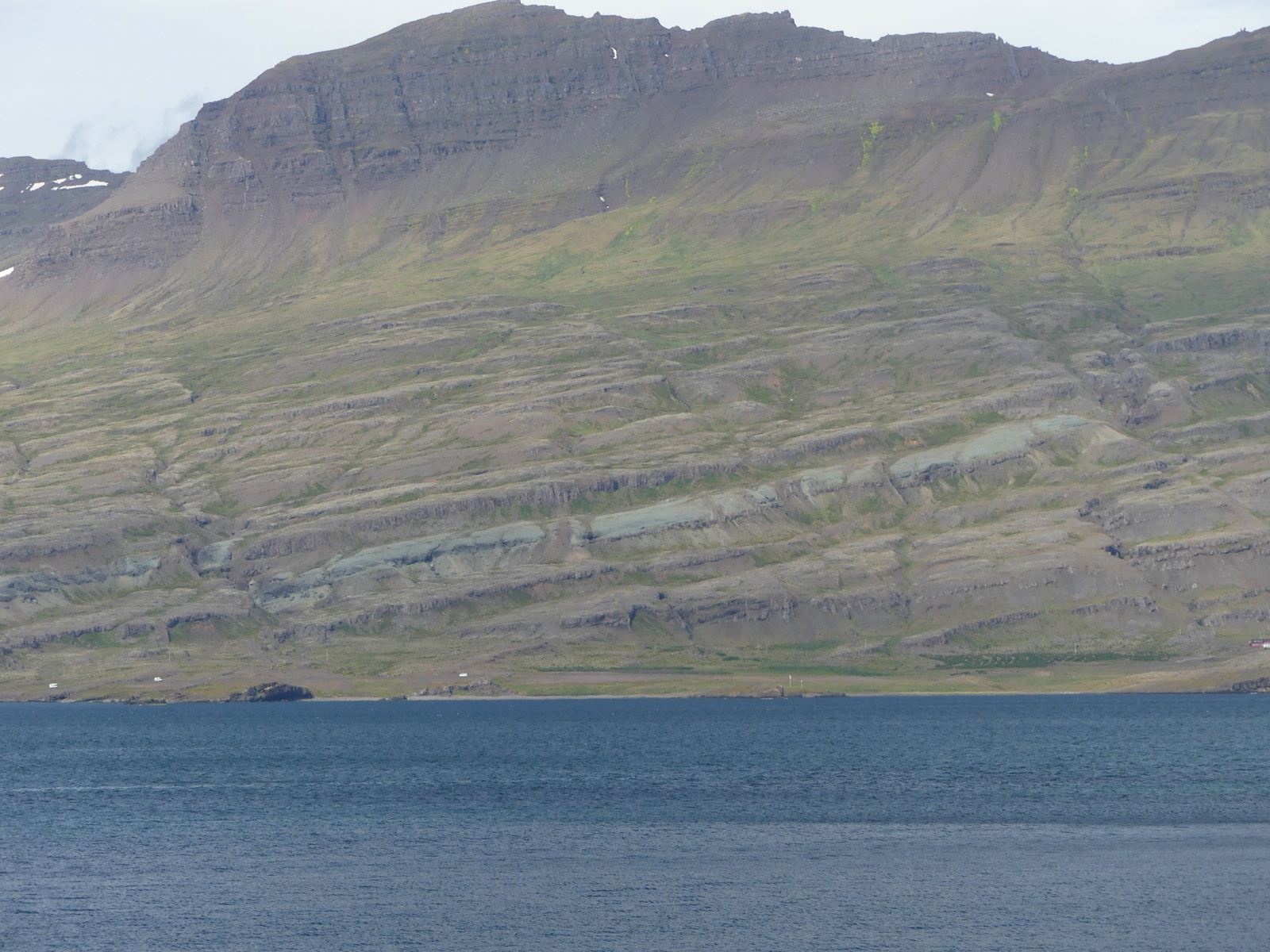
The Green Spirit Stone of East Iceland

The view from Blábjörg.

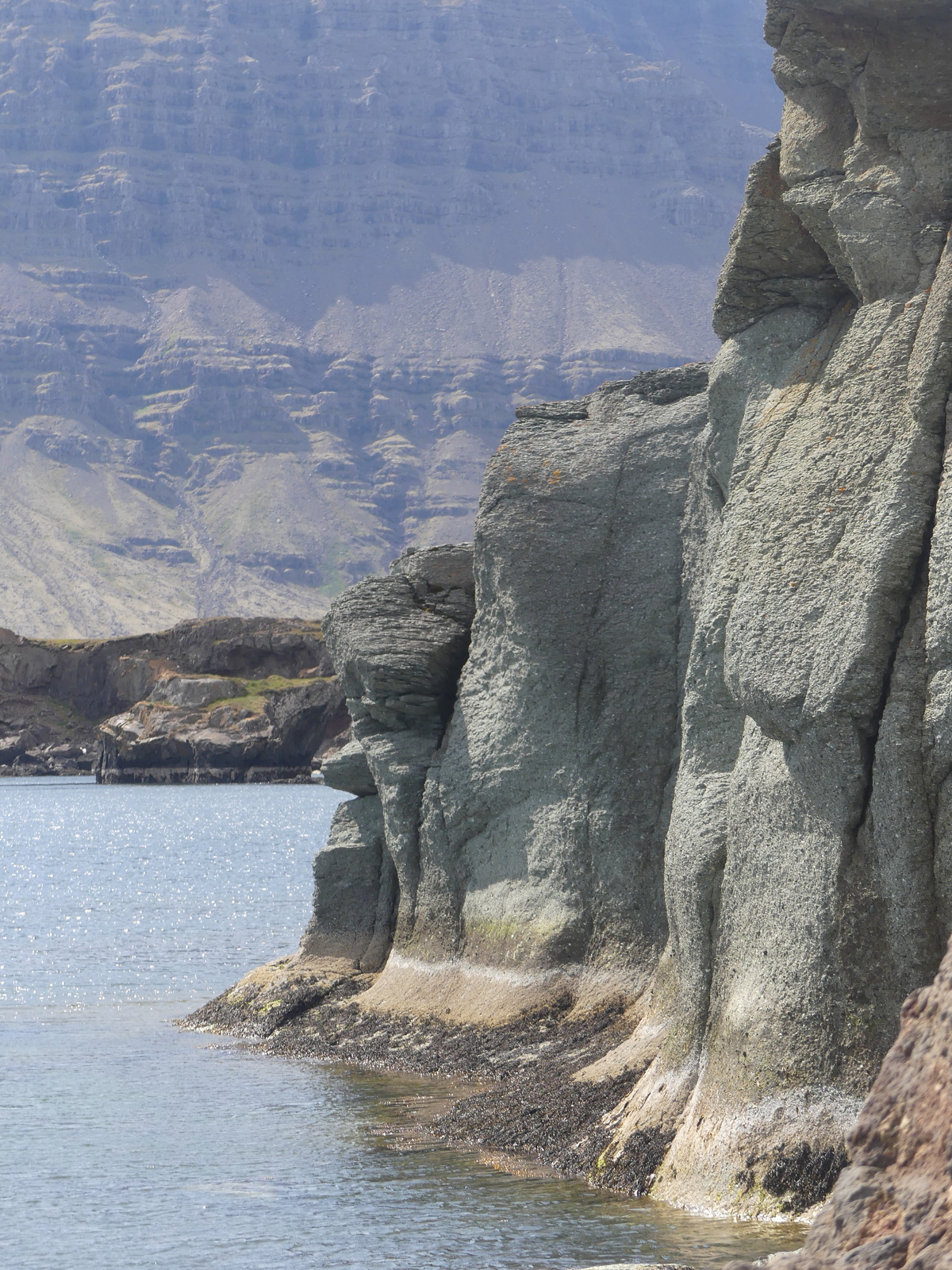
You don’t see green lava everyday. It looks like it came from the bottom of the sea, but it came from deeper, flowed across the land…

Notice the Campers Rushing Past to See All of Iceland in Three Days

… and into the sea, which has been talking with it ever since.

The thing about land and sea is they don’t rush past.

Good Days and Bad Days in East Iceland

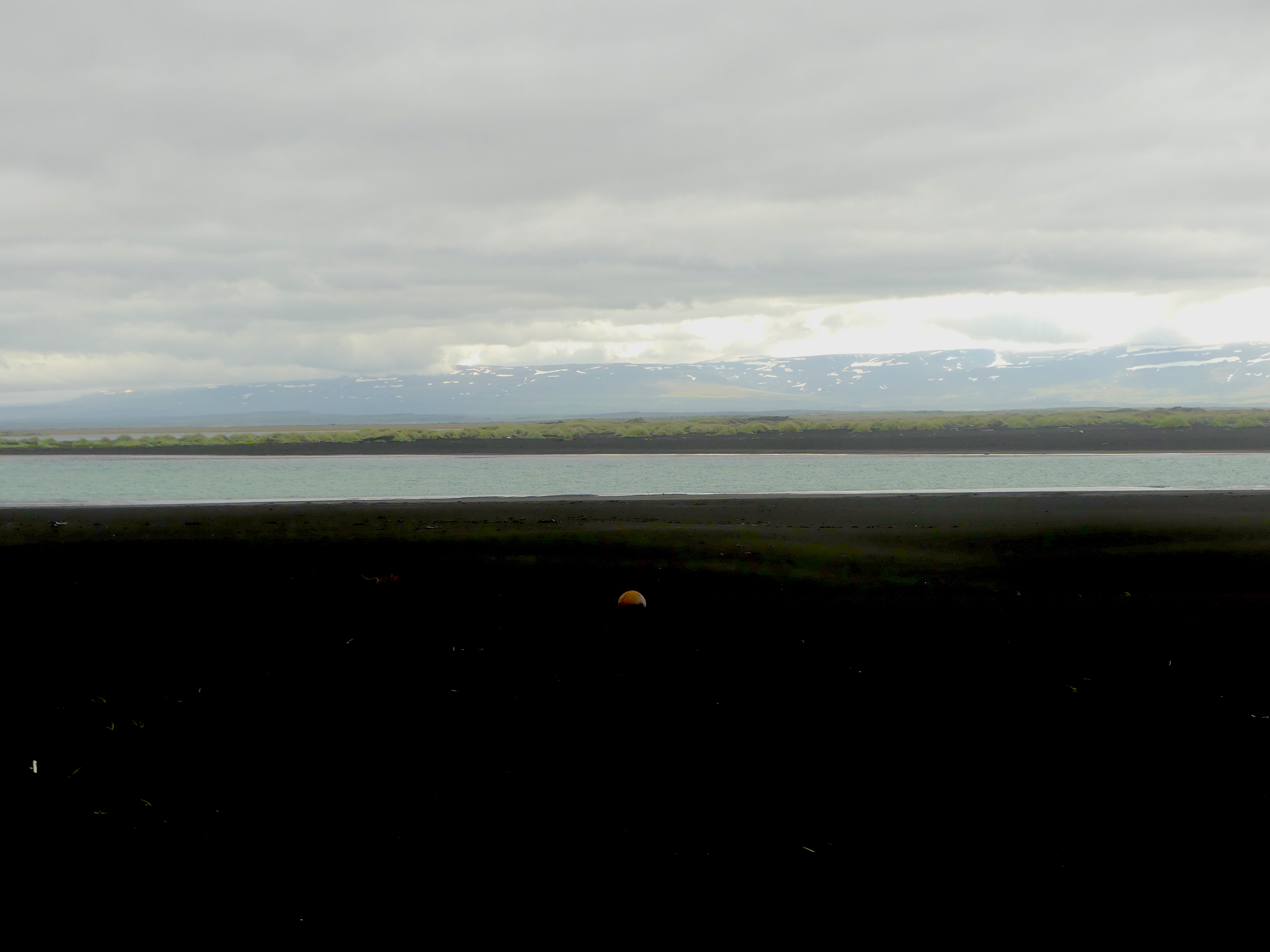
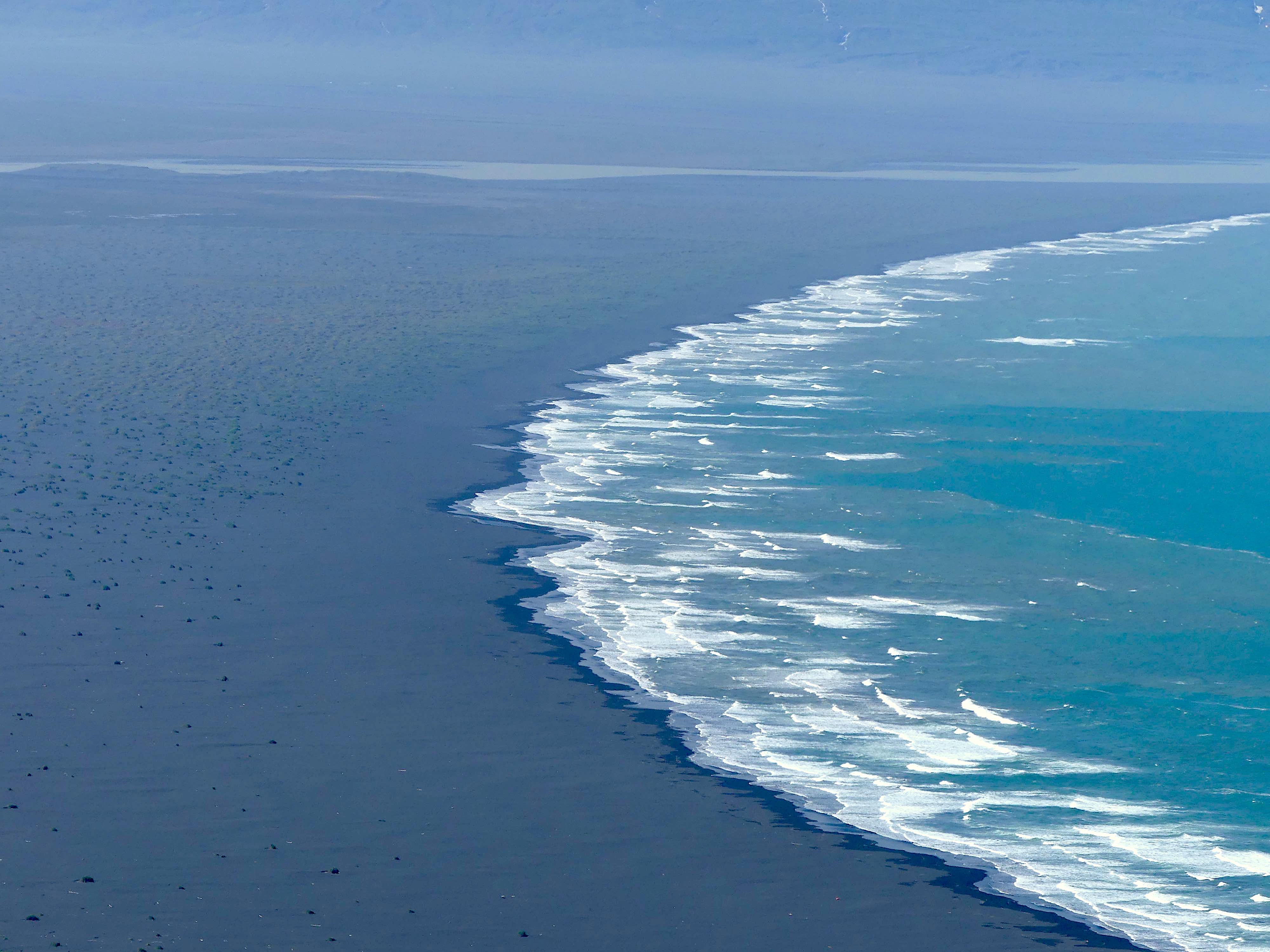
The black sand beaches at the mouth of the Selfljót are unparalleled.

They stretch hauntingly into the distance, almost unwalked by human feet.


Pretty fine on a calm day!


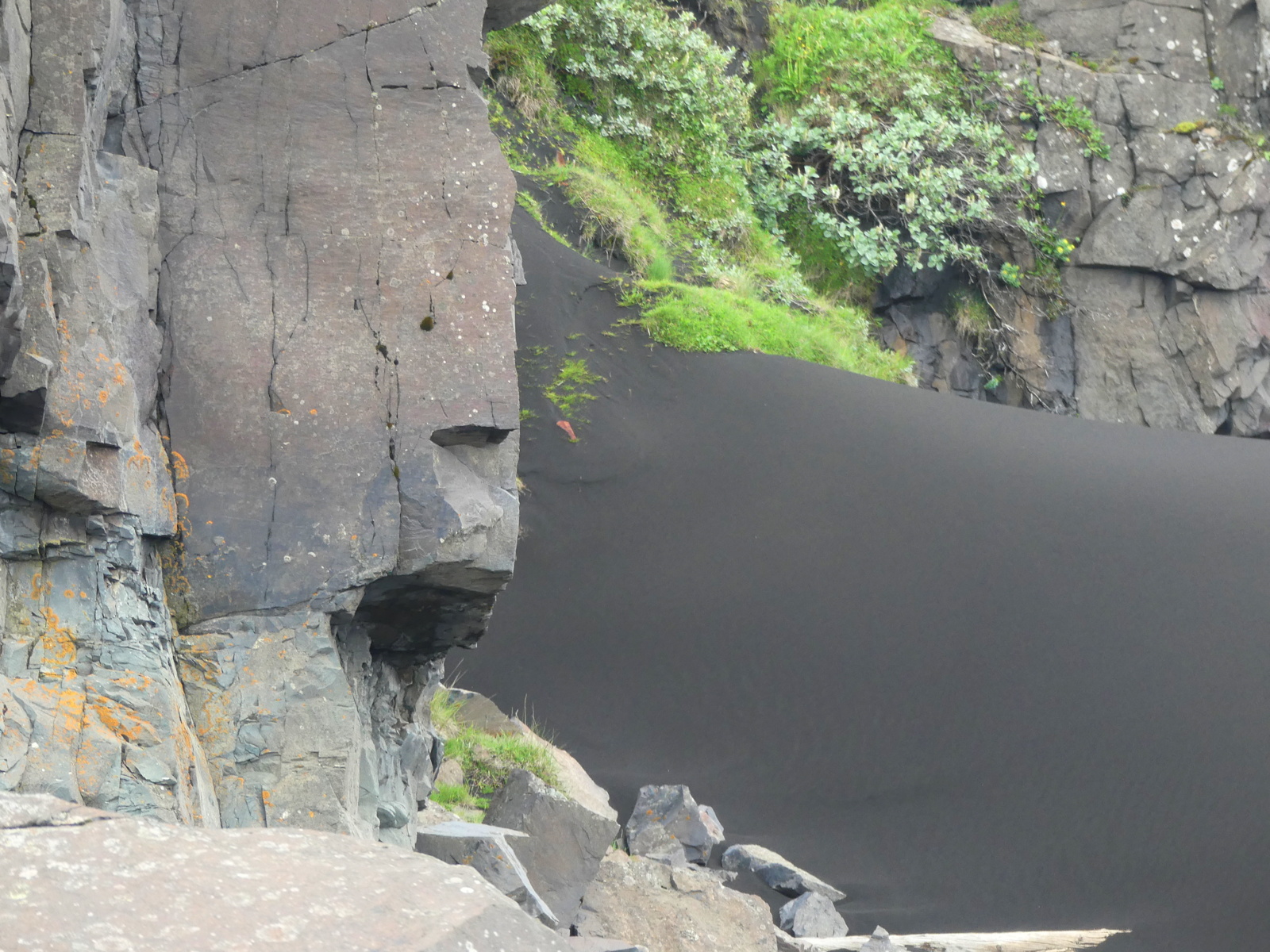
The sand is so black, every little thing on it is a revelation from a spirit world.

But!  But!  But! Not on a windy day. It would be ghastly out there, as the drifts show.

A blizzard of black sand! Enjoy the good days, I say.

Take your time.

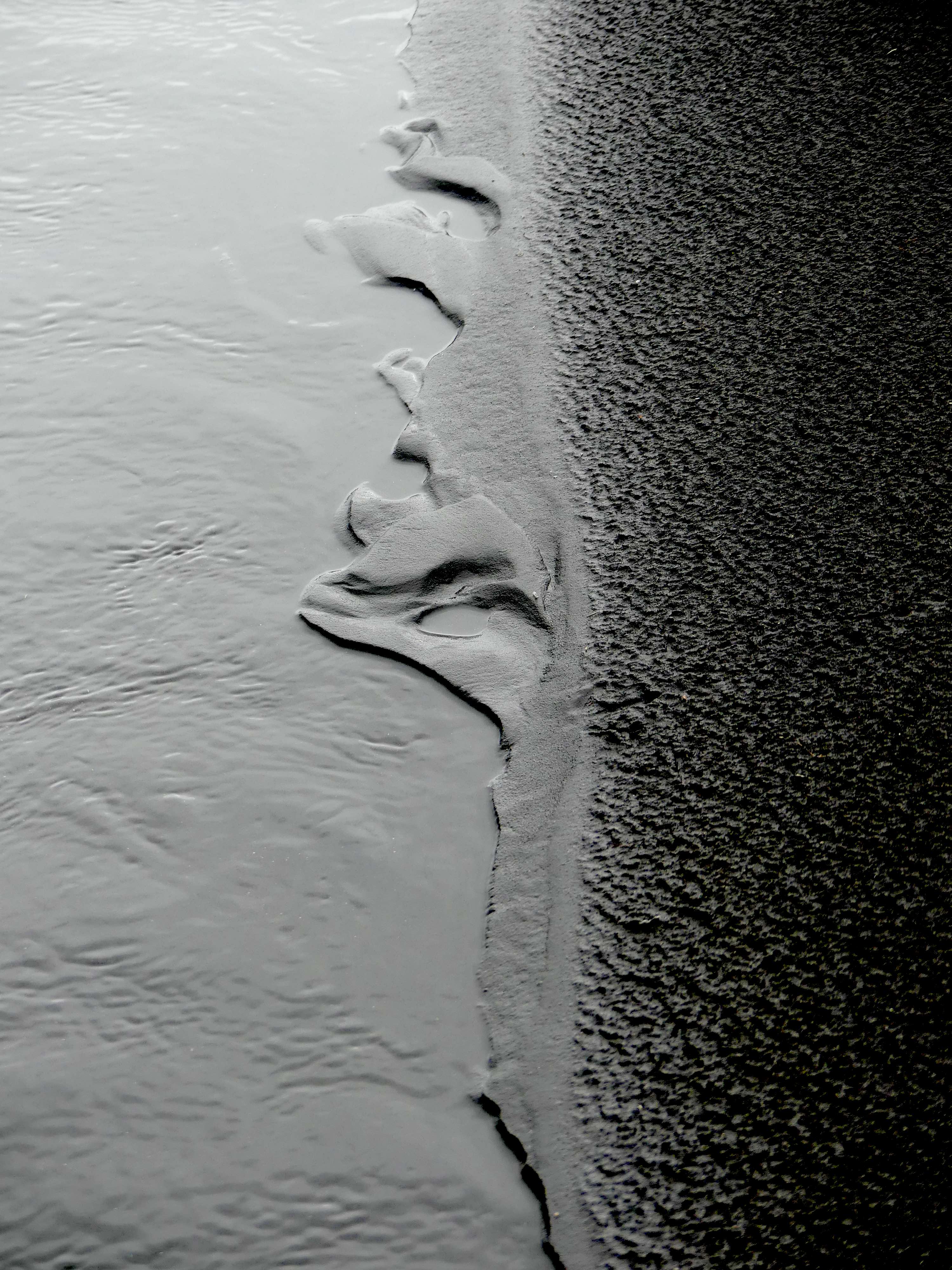
Watch the water and the sand tell its stories, like a good visitor.

Even climb high for a view.

And then go home. You are small.

Giving Thanks in Iceland

Here’s a stone marked by human tools in Neskaupstaðir. It is broken from the old sea cliff behind me, and lying on the old underwater shelf below. Note, too that it sits in a hollow.
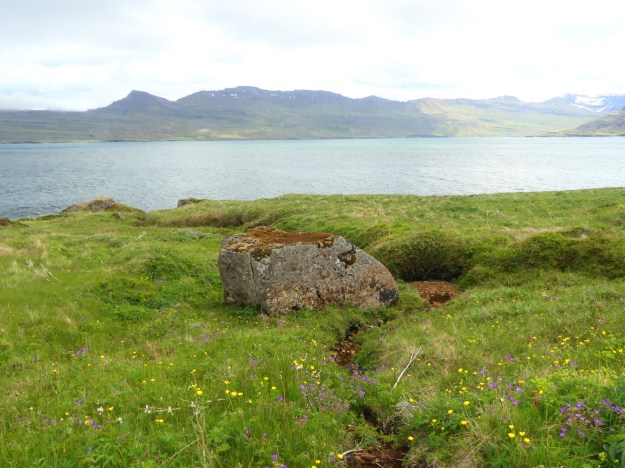
That’s not a given. Here’s a sister rock, showing a more natural face to the world.
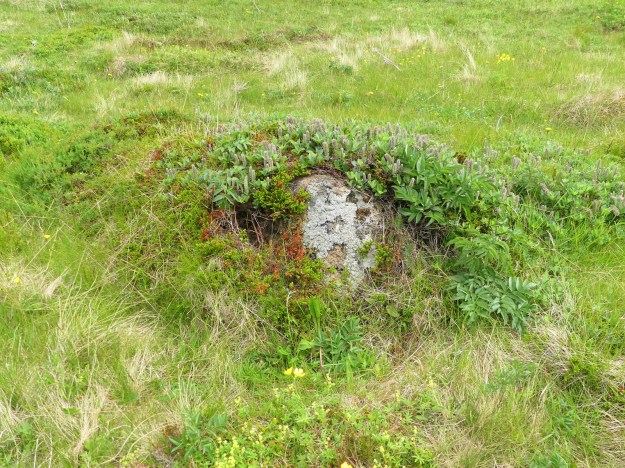
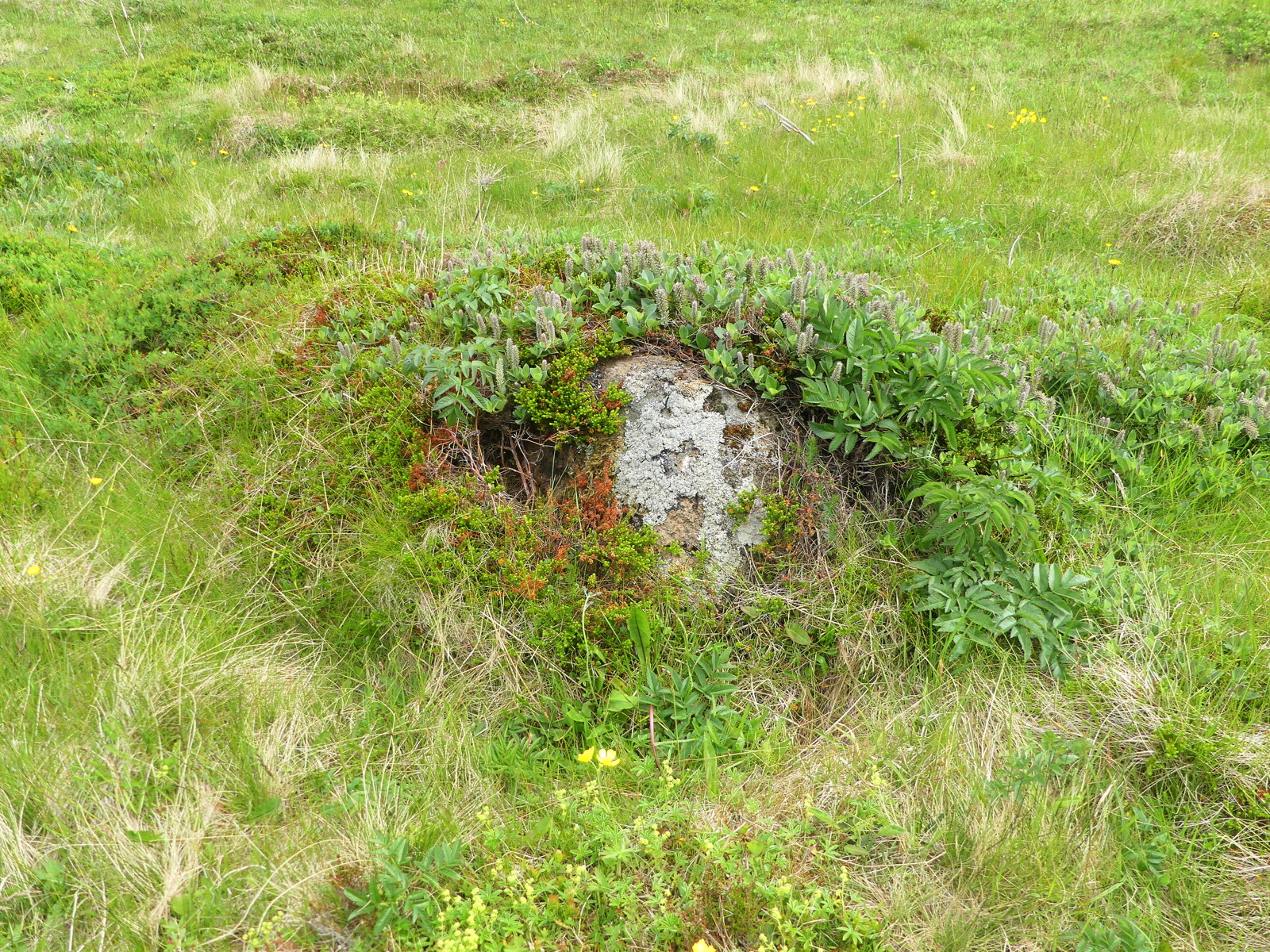
The thing is, in a country without trees, people burned peat to try to get a little warmth. Peat came from mountain bogs, such as the one that surrounded this rock…

… or this untouched one, in Njardvik, a few fjords to the North.

These bogs are lush, exotic environments. You could say they are the life of the mountain.
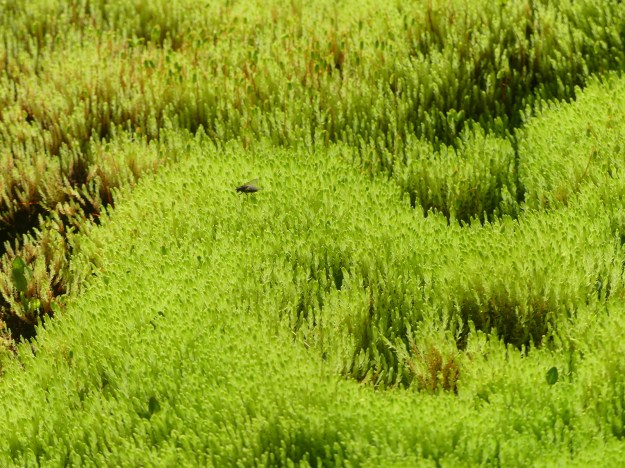
When you dig them, though, you are left with a hole and a simplified ecosystem.
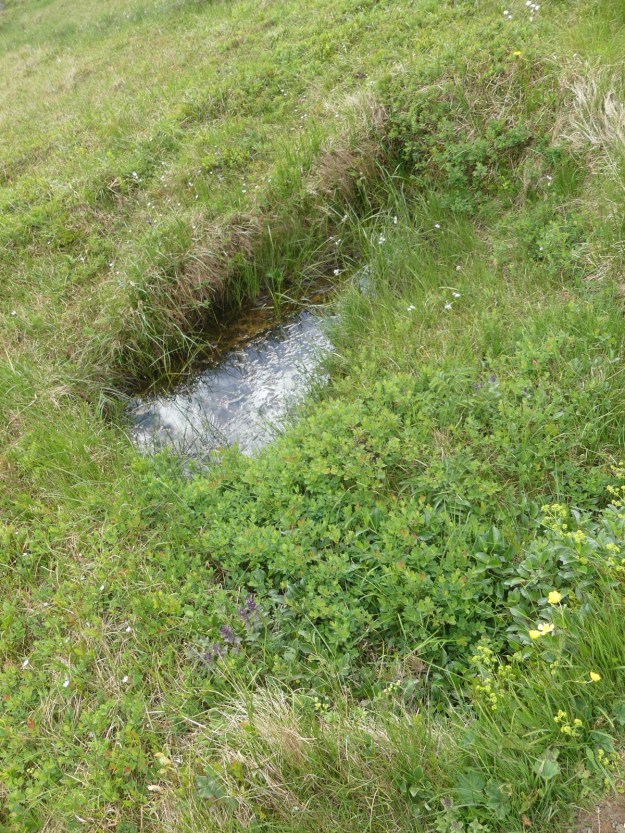

They do have the potential to rebuild, however. Here’s one in Neskaupstaðir, hard at it. A photographer could do worse than peer into holes where the Earth is healing the wounds of limited human technology and understanding.

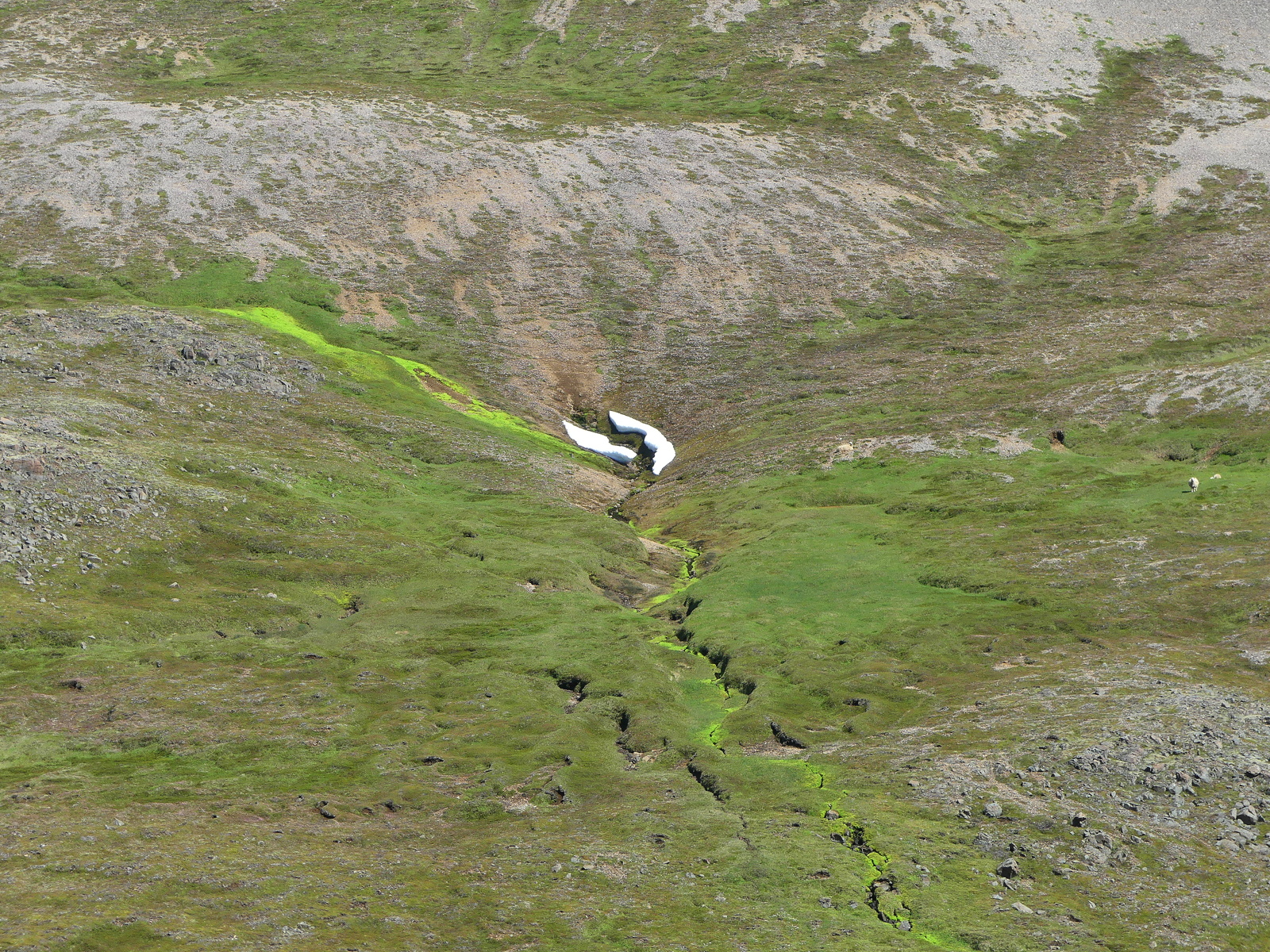
When these bogs run with water, it is often red with iron. It’s hard not to think of them as the blood of the land.
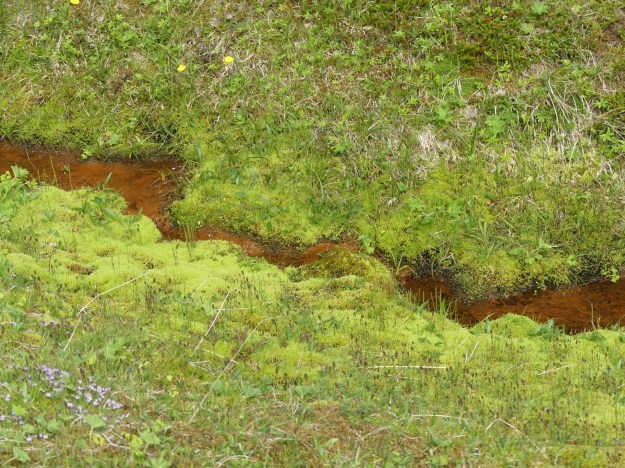
They’re quite wondrous when they spill their blood over the old sea cliffs.
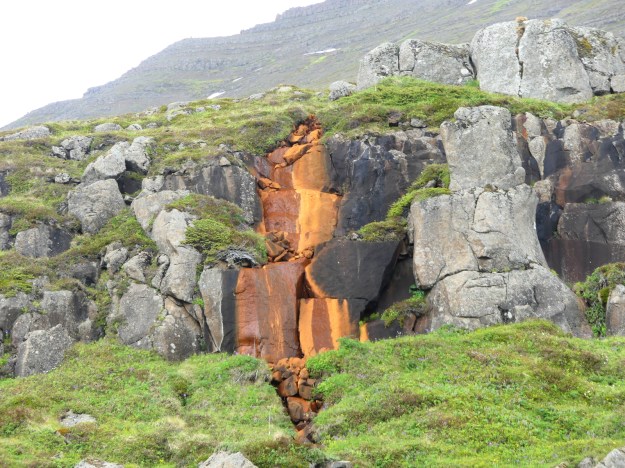
And quite forlorn when, stripped of peat, they run dry out to sea.
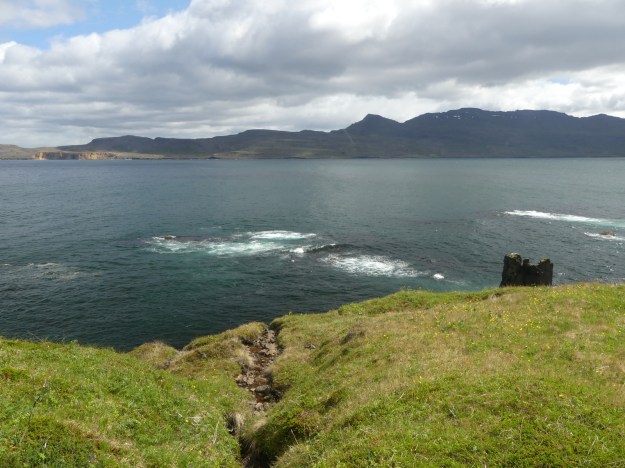
And harder yet, when you see them give birth to fantastical creatures.

These now-rare environments are the survivors of a time in which they gave life to humans in the cold. You could say, easily enough, without the long, long life and sacrifice made by these bogs, there would be no Iceland today.
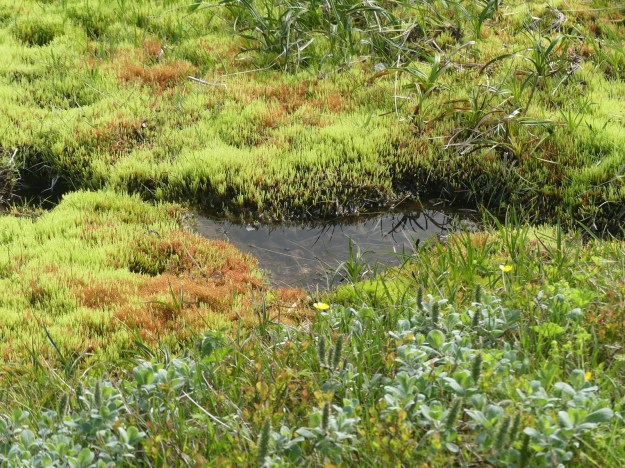
That’s why the mined-out bogs in Neskaupstaðir have been a nature preserve for nearly fifty years now. It is a way of giving thanks for life.

There’s an art to it.

Thinking Before Thinking, a Surprise Meeting with the Elves

It’s one of the prettiest waterfalls in Iceland, twisting like hair, and blessed with elves.


Perhaps you can see their queen bathing below the pool? She will meet you on the banks of the Selfljót, under Ósfjall, if she wishes. Before there was sculpture made to delight the eye, which sorts information before it reaches the brain …

Ásmundarsafn

… there was the delight of the eye in landscape. The thinking self comes later. First, one is a body.

Global Culture and Gunnar Gunnarsson

When faced with mysteries, like this troll on Reykjanes …

… the global human sees its emotions instead.

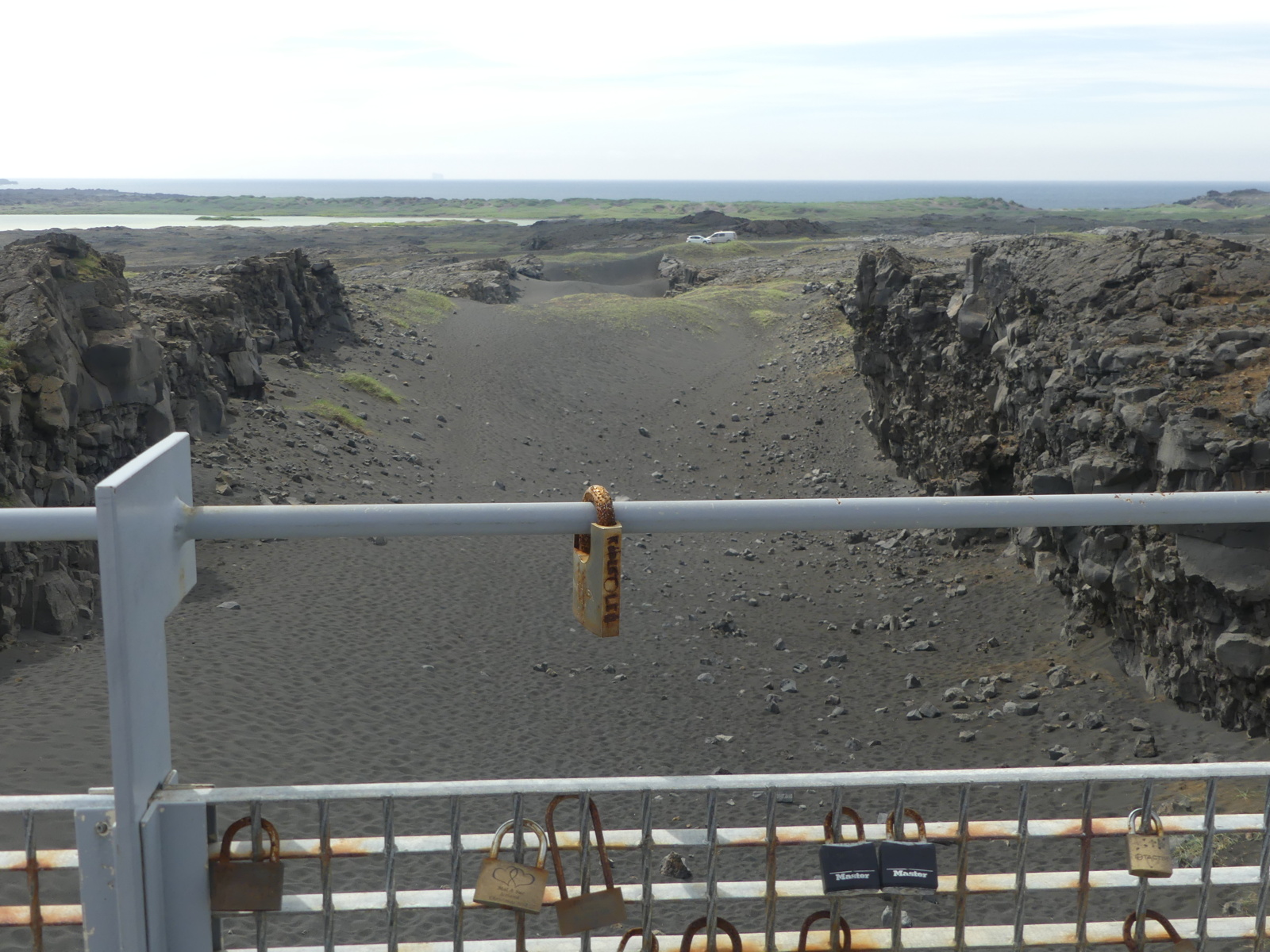
The Bridge Between the Continents, Reykjanes, Iceland

Some premeditation is involved. That’s what Pinterest is for.

It’s not original, but it’s a fun bit of colonization. What would Homus Globalus do, after all, if it saw the ogre climb her staircase above Gunnar’s birth house in the Lagarfljót?

Laugh, no doubt. Should we laugh about Icelanders in their own country? The question is absurd to people who would do this:
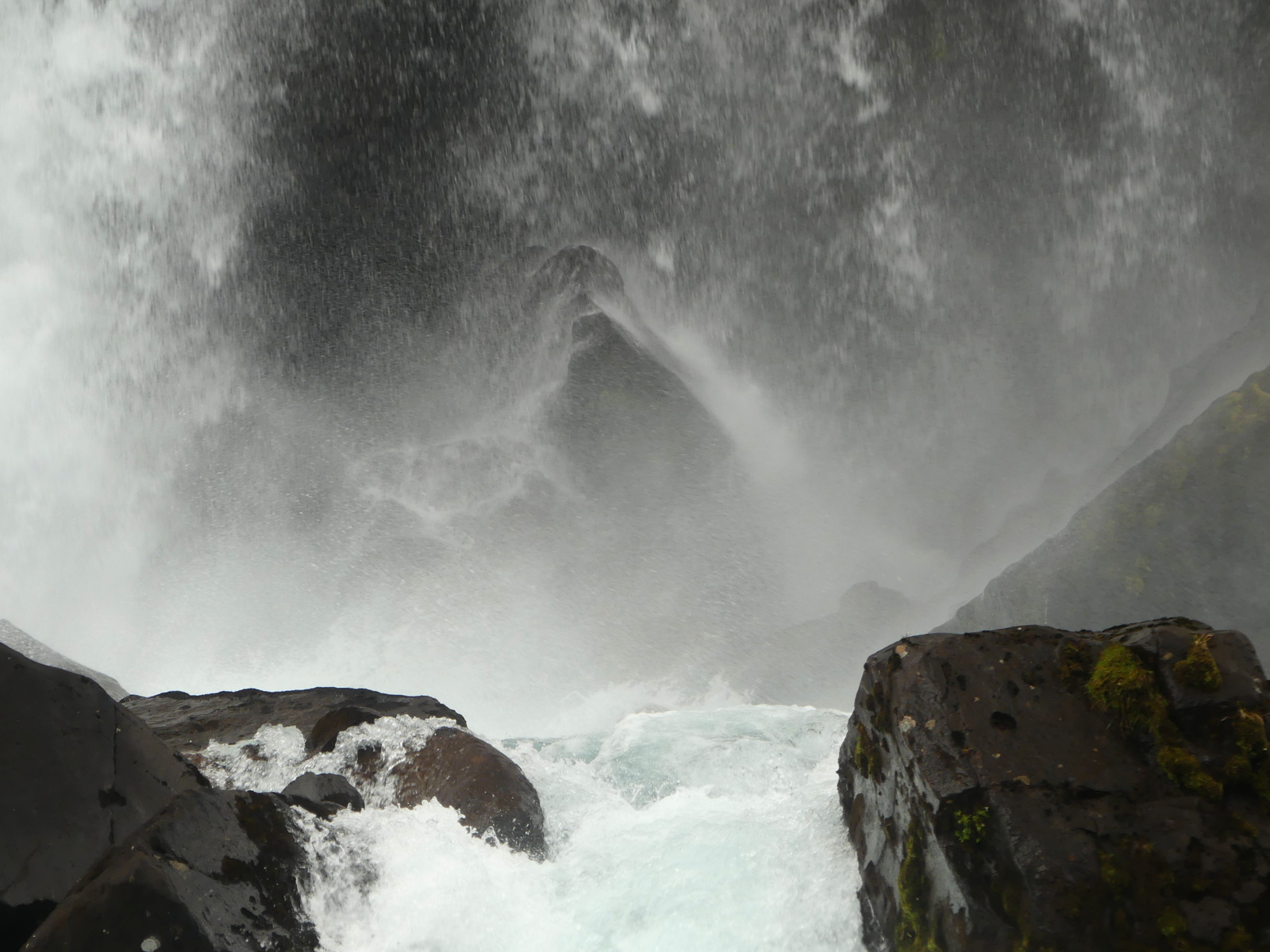
The global human loves humans and sees them as beneficial additions to all environments. Icelanders, being isolated island people, actually invited them in. This is the same bind that drove Gunnar to Denmark in 1907, to become a published writer, and then saw him ostracized in the 1930s, because he had published in Danish. There are always these double-binds. That’s the human condition. Even in Iceland. We should be gentle on ourselves.