Tag Archives: Nature

Creative Space in Iceland

I started this blog a year ago, talking about tuns. Here’s the result of a year exploring them or just wandering through them (under the observant eyes of ravens.)
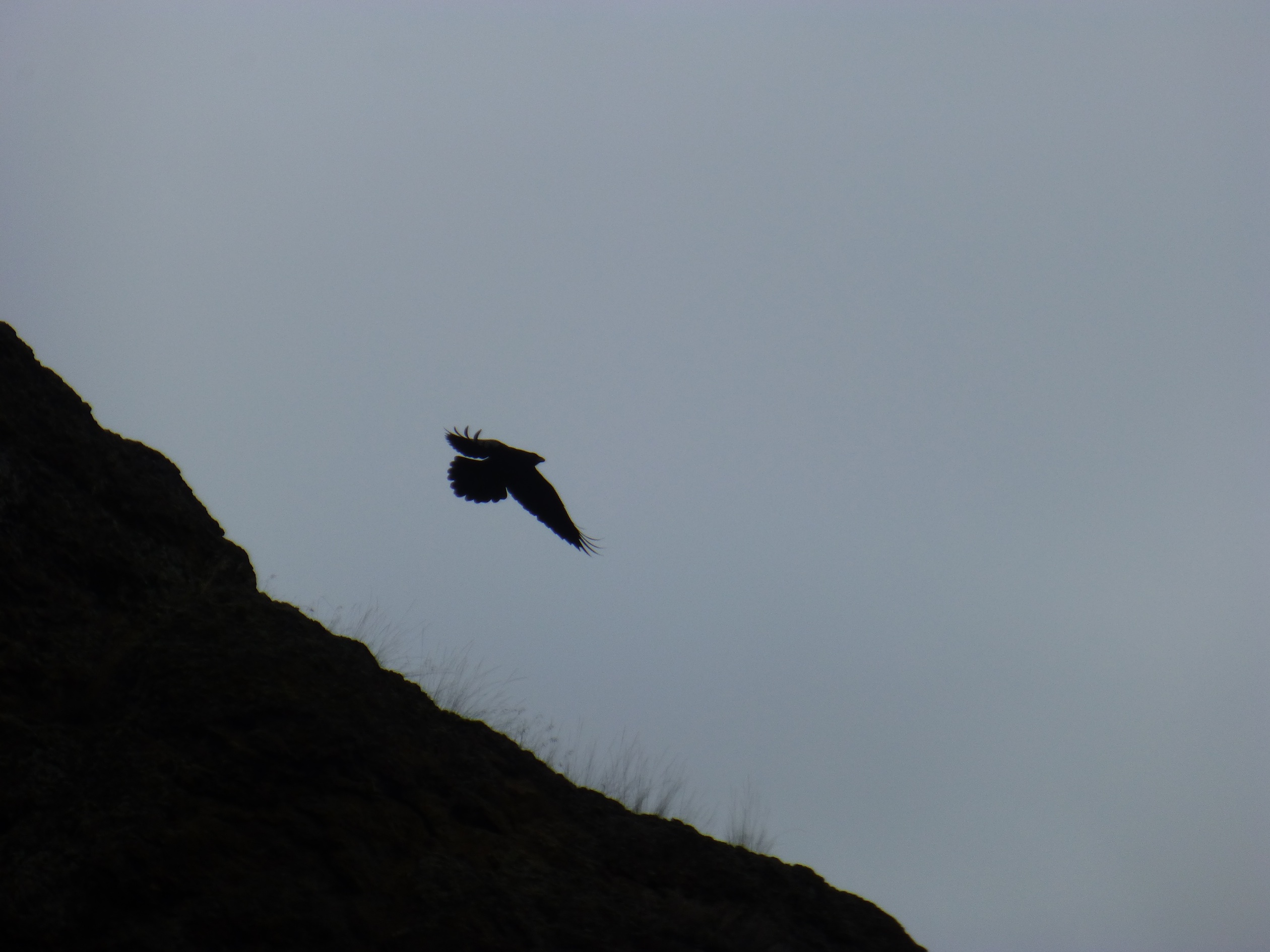
fly

You Are Never Alone in Iceland, Hengifossá

(Well, unless you’re always looking for humans for company. In that case, it might be best to stay in Reykjavik.)

Today, I’d like to illustrate an observation that it’s not people who are creative, but space. Ah, you might ask, what is a tun that it might lead to an observation like that?

scratch

Icelandic Horse Scratching Its Head

A tun is something that you can observe (and take part in) everywhere in Iceland (and in the North). Here’s a tun in Denmark (the former colonizing power, grrr):
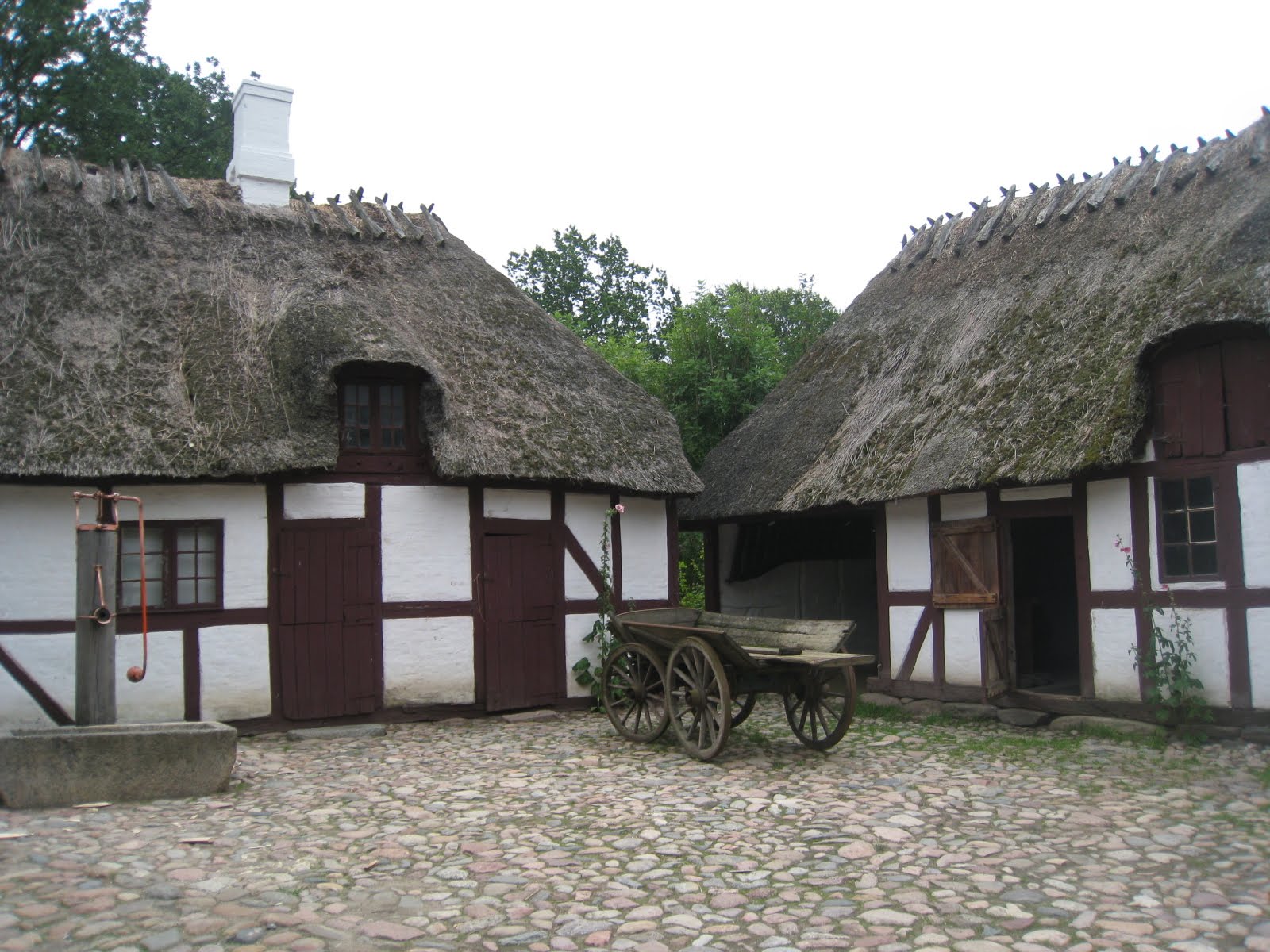
010Half-Timbered Danish Farmhouse

Den Fynske Landsby, Fyn, Danmark. The working courtyard in front follows the ancient Norse (and thereafter Icelandic) architectural model of a tun, an open air working room between buildings. 

A tun is a building without walls or roof, where the money-making activity of the farm took place, and where the manure (the dung, a variant of the word “tun”) was stored, which could be spread on the fields to create future wealth. It is the source of economy.
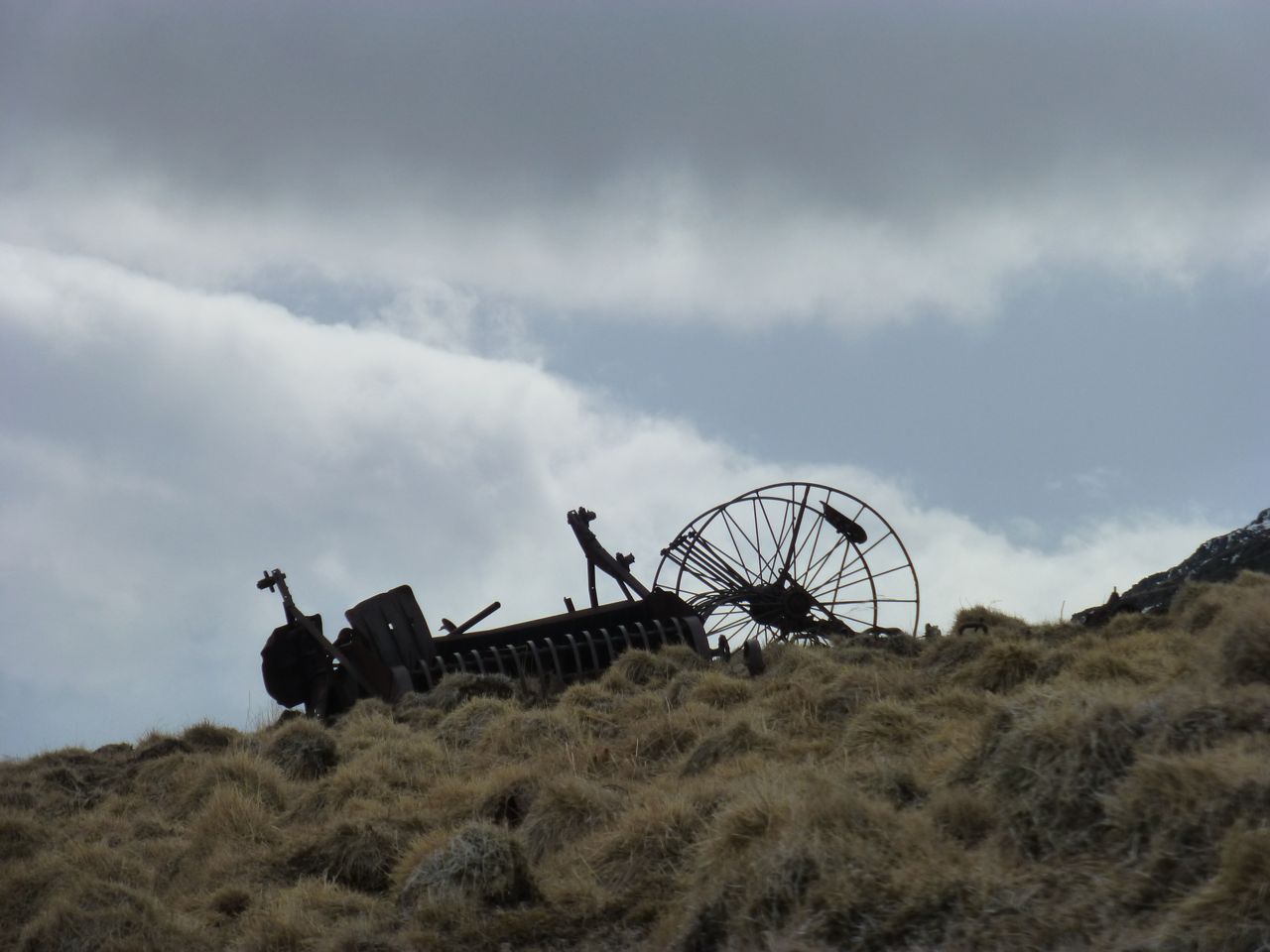
P1460930

Horse-drawn Wealth Spreader Waiting for Re-use

Hedge fund version 1.0.

The tun usually connected to the track to the next farm, or out to the world of trade. Here’s a variant on a tun, from East Iceland…

landhusLandhus Farm Barn, Fljótsðalur

In this case, the tun is the road itself. It’s the architectural space (within the landscape rather than the farmyard) that carries forth the energy of the tun.
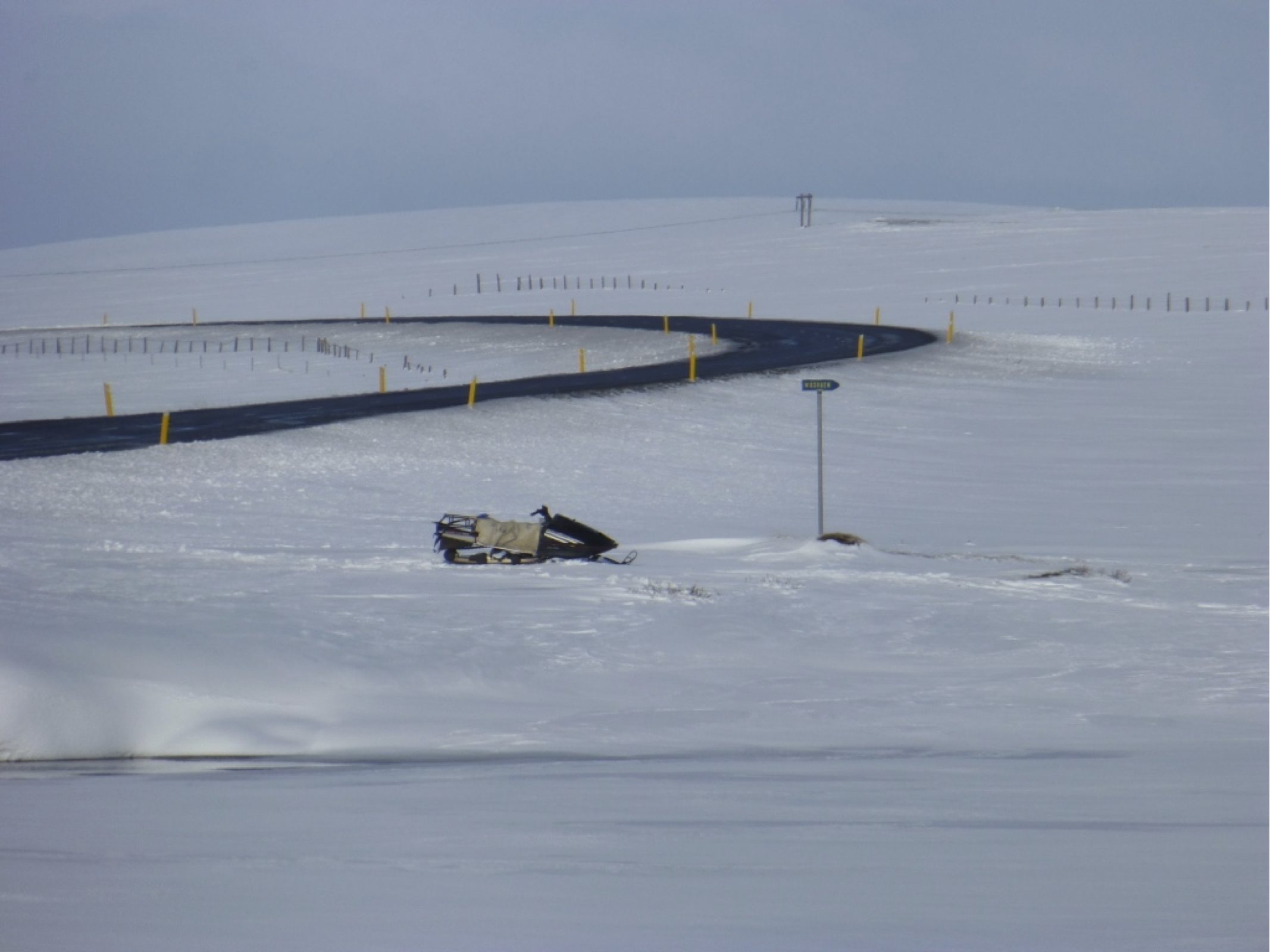
road

Icelandic Highway 1 in March, Mývatnssveit

Park your car here on the way back home from work. 

The word “tun” is the German for “to do”. The English word is “doing.” 

tundungdoing

A nice triad!

It is a place of energy that creates the economy and trade and activity of a country (or a farm), or lets it efficiently take place. It is the place where the future is created. Without it, the activities of humans would not be as organized as it is, nor could it be efficiently packed up and exported from the farm (or the country.) Iceland, of course, is a sophisticated modern country, so we can expect this source of energy to take many forms today. Here are a few:

Parking Strip.
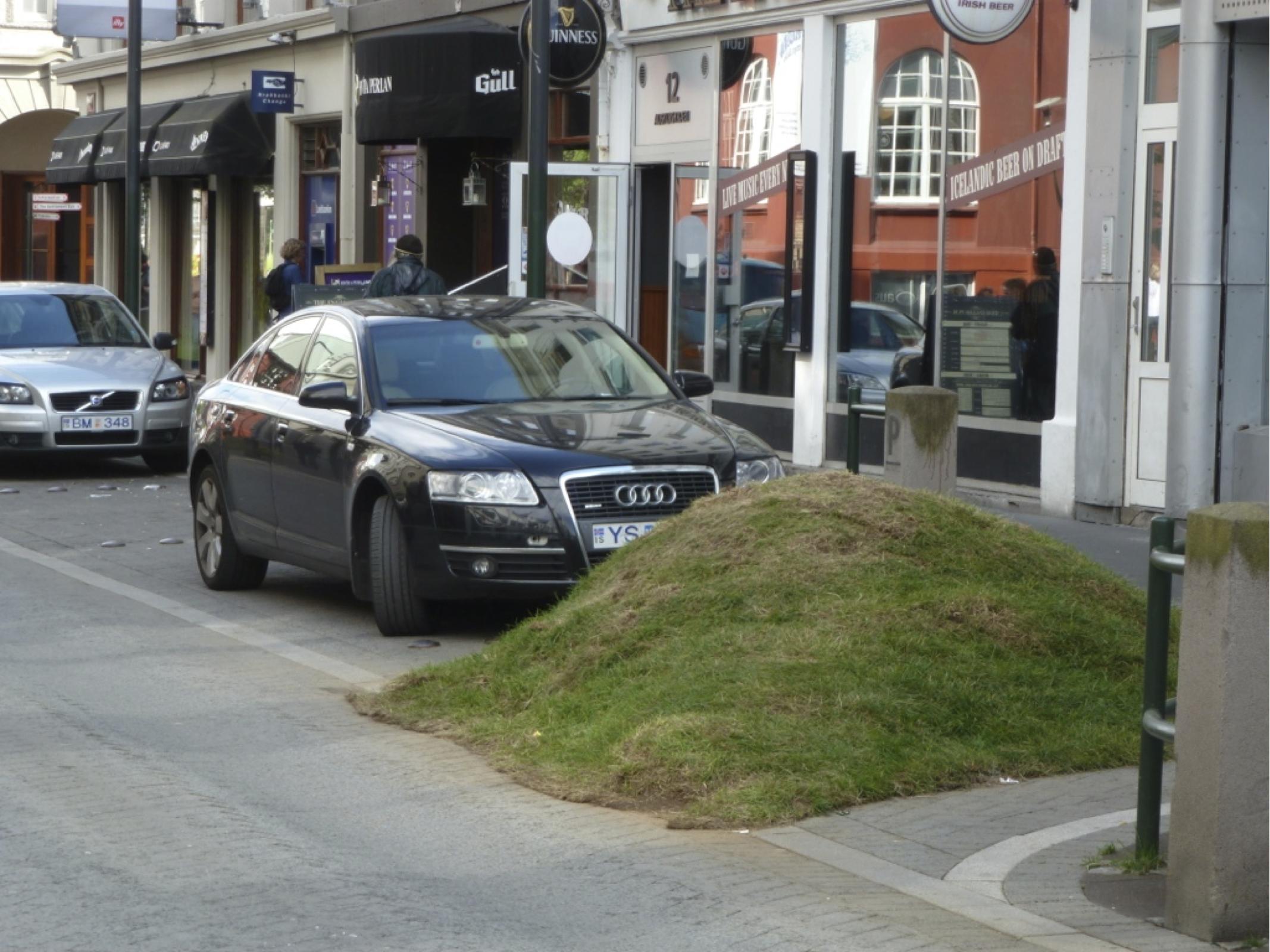
streetArt Project in Downtown Reykjavik

The pattern of tun-in-the-pasture is reversed to pasture-in-the-tun. (The tun is Reykjavik.) This pasture, though, is in the shape of a disused turf house. Clever stuff!

Movie theatre.
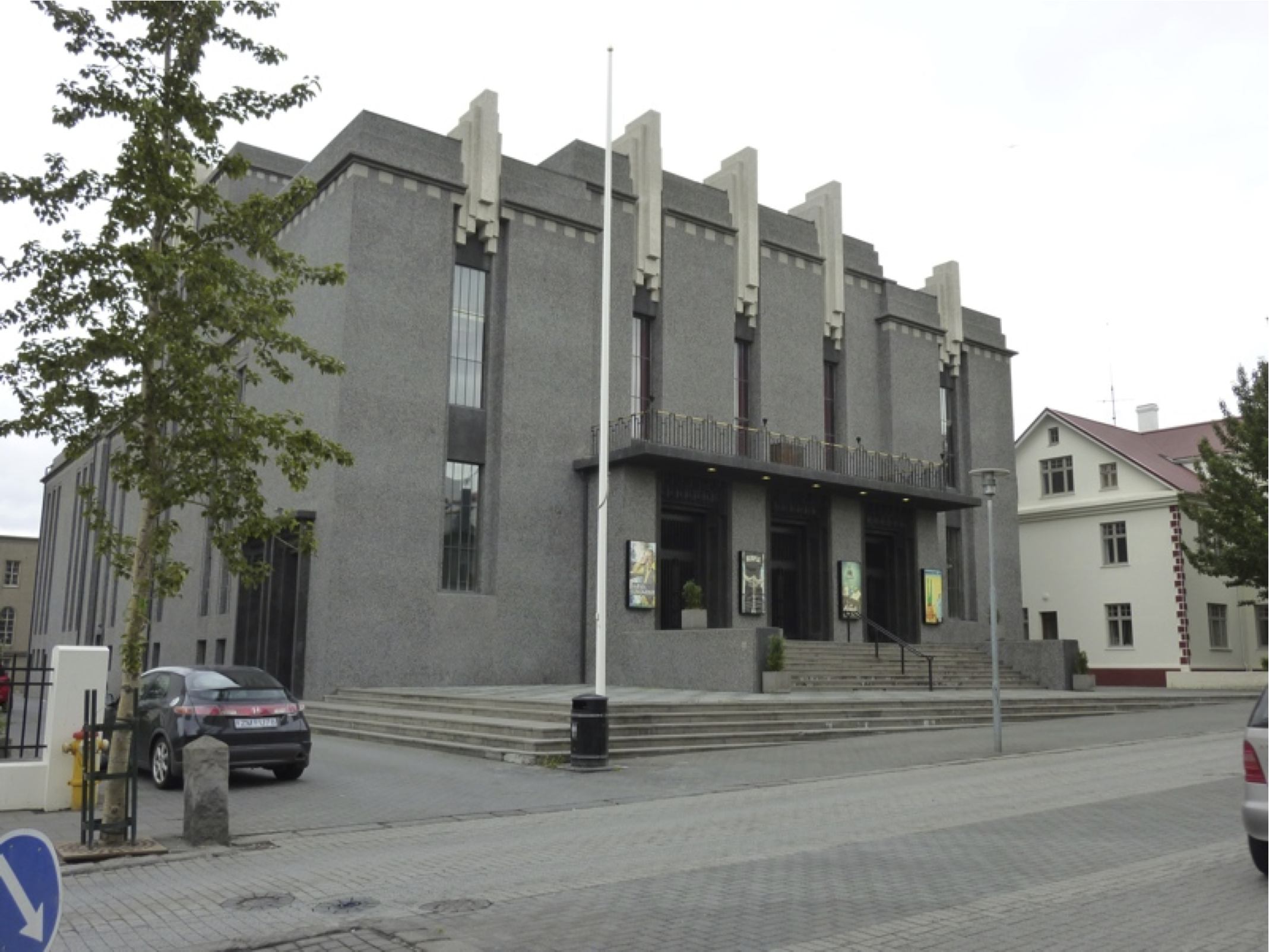
theatreThe Reykjavik Movie Theatre is Also a Place of Exchange.

Note that this is a re-purposed building. In other words, not only is the movie theatre a contemporary tun, but the building acts as one as well.

Church.

church2Vik Church, South Iceland

 A very useful tun for work with souls. In this case, the houses of the village take the place of the buildings of a farmyard.

Forest.

treehouseSummerhouse in Kirkjubærjarklaustur

The trees are part of a nation building program of the Icelandic government. They represent not only shelter and beauty, but future money in the bank. In this sense, they operate as a dung heap in a tun. The land itself has been separated from itself into a special tun space here. Here’s something different…

Youth.

truckA Movable Tun

This tun represents a combined cognitive, social and bodily space. It moves around and around through Reykjavik, invading people’s dreams and re-shaping them into effervescent images of mineral water. Not into the dance scene? No problem…

Farm.
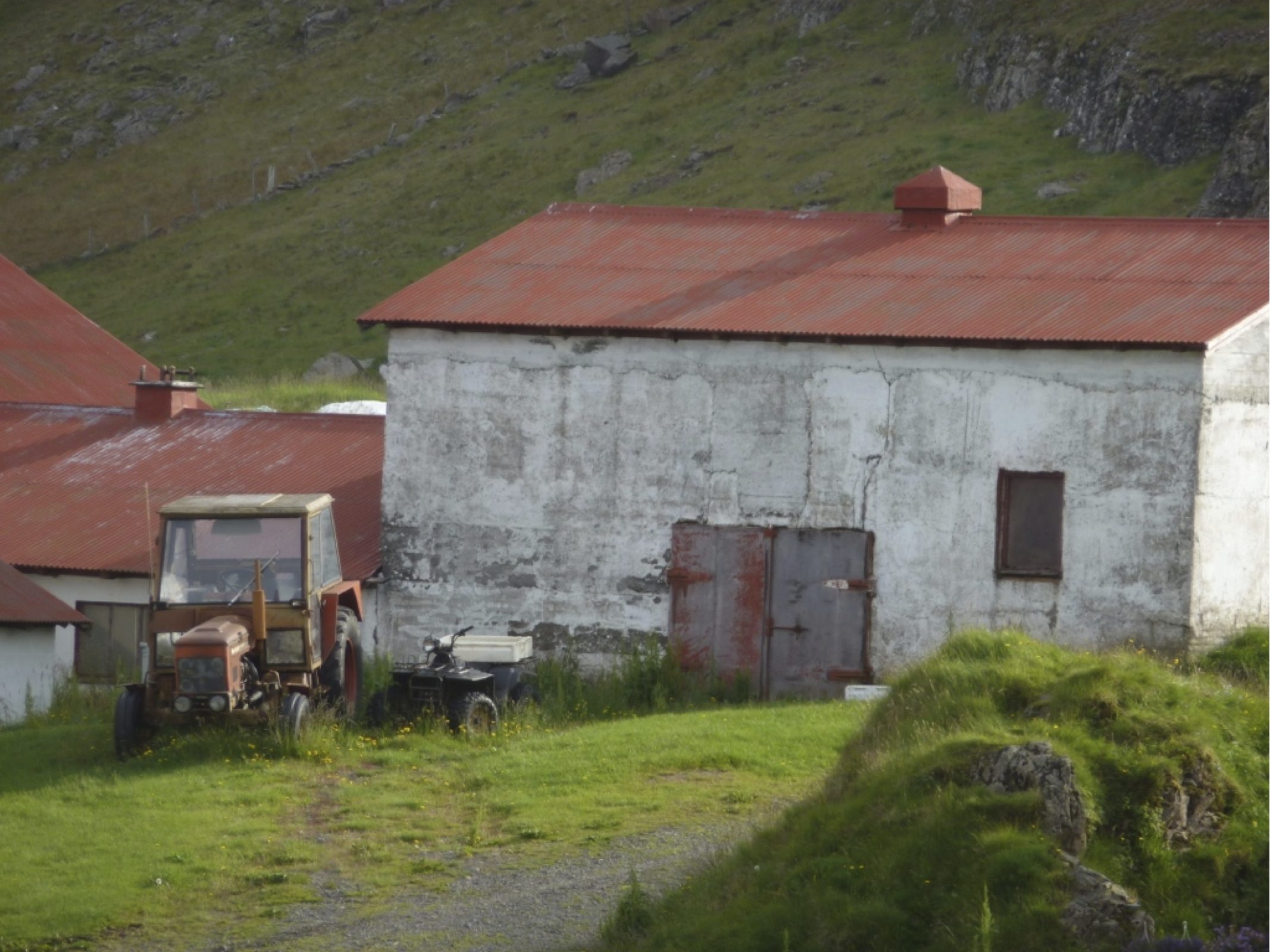
farm

Icelandic Farmstead. 

Note the elf house in the foreground. It’s good to live close to your neighbours.

From the perspective of a capital economy, this capital has depreciated to the point of needing to be replaced with a new depreciation sequence paid for with interest. In a tun-based economy, the expense of taking wealth from the land in order to build structures upon it is a debt that will be erased only when the creative (tun-ish) potential given from the land and embodied in the building and the tractor are mined dry and these materials (dung-wise) rot back into the earth. They are, in other words, a fertilizer. You don’t paint fertilizer. You also don’t throw it away. Want something more adventuresome? Iceland has that too.

Glacier.
skaftafell

Svinafellsjokul, Skaftafell National Park

A glacier is part of the common wealth of a country, that which belongs to all of the people and brings water and energy to all. It’s not just the people, either. It also brings energy to the land itself. Here, you can see what that looks like, on the other side of the glaciers.
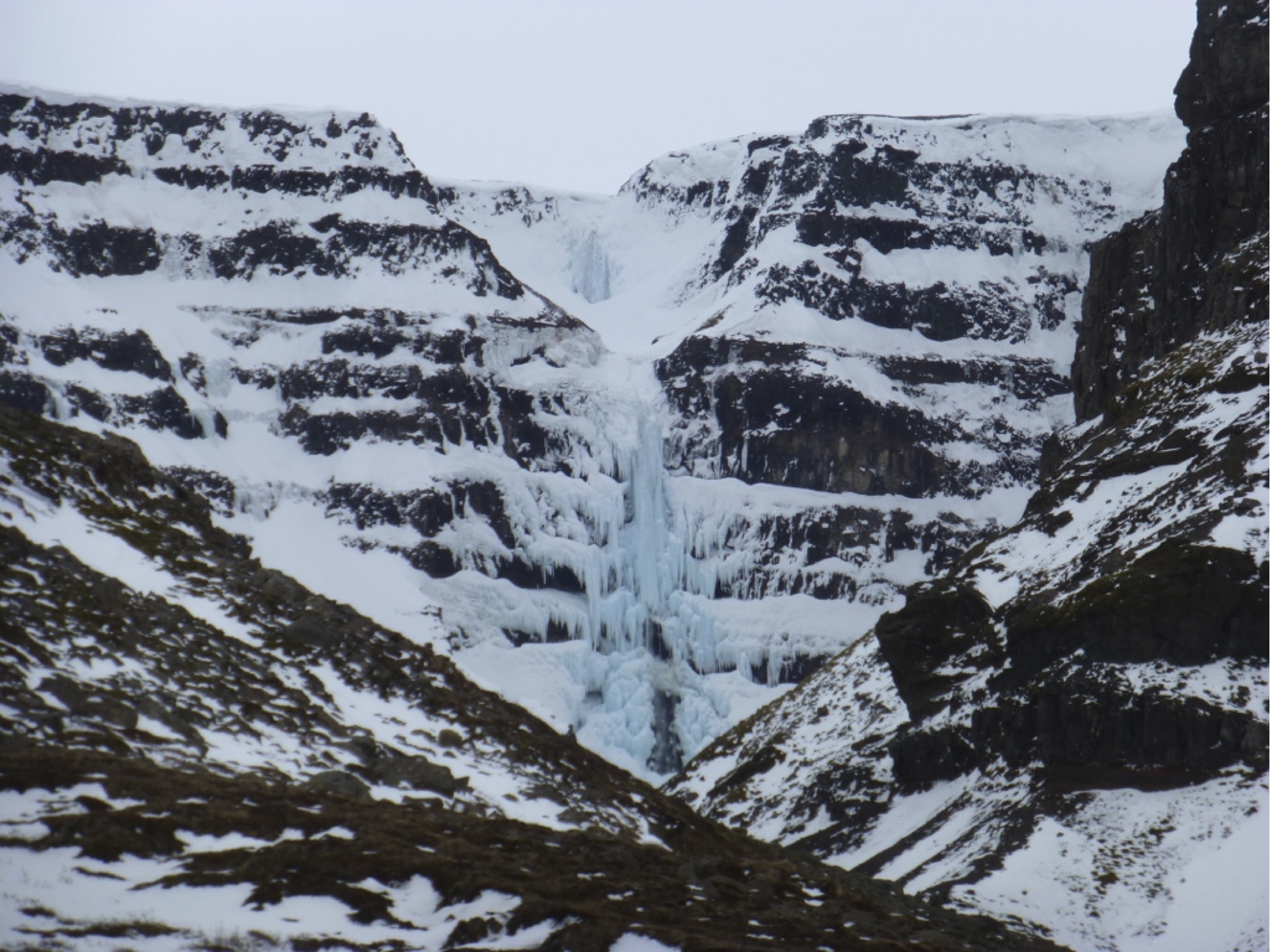
blue

Strutfoss

Aka glacier turning into light. Very good for the soul.

A glacier can attract tourists (and mine them for wealth), provide healthy recreation for the people (an idea of nature, imported from coal-smoke-choked industrial England), provide habit for fish …

snaefels

The Laugarfljót, with a view to Snæfells

These are both tun spaces. The mountain generates snow, which generates water. The lake collects the water, to provide habitat for fish. By concentrating energy in this way, mountain and lake make it available for human harvest. (Not that this is their plan.)

Unfortunately, capital-intensive economic systems can mess with that and simplify the idea of a tun almost to unrecognizability, like this:

P1390140 This is propaganda in the service of art.

Or art in the service of propaganda. Or a statue in the middle of a hydroelectric dam outflow channel that has diverted the water from Snæfells into the wrong fjord. Something like that. Here, here’s another look: P1390165 See that? The ship steams upriver, loaded with generic manufactured goods, towards the economy created by turning Snæfells’ life-giving properties into cash, that can pay for electric toasters and Swedish toilet paper. It never, of course, arrives. Here’s it’s goal…P1390138
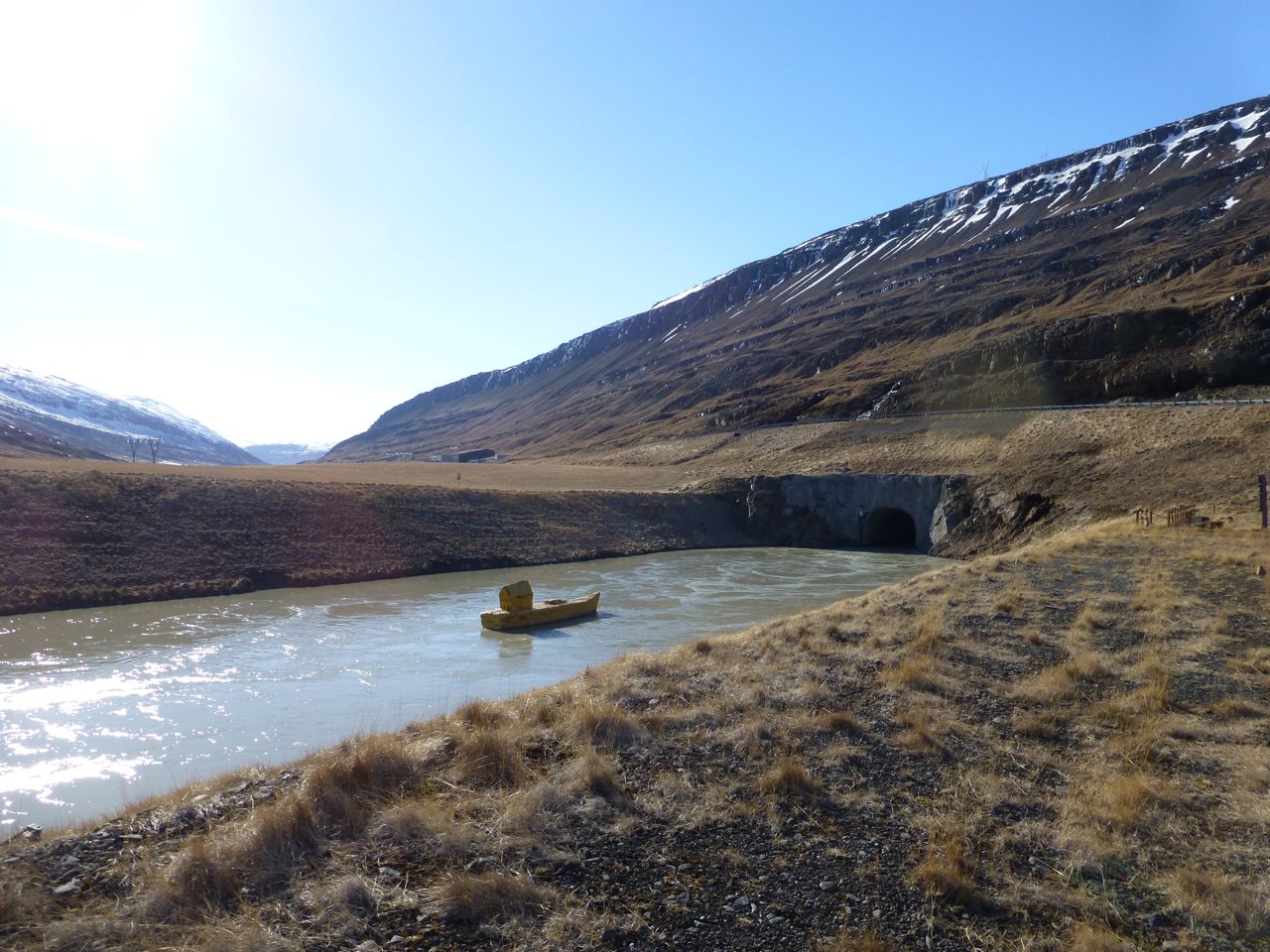
The Heart of the Mountain

The statue was erected on the notion of eternal wealth, just before the economic collapse made the whole notion questionable. Here’s a construction site (abandoned) in Reykjavik, based upon the economic version of this dam …

evolution

OK, So Maybe Not Such a Great Idea After All

If you get too abstract with your tun, you run the risk of running out of manure. Good to know.

Ah, perhaps you’re tired of farms by now? Well, here you go, way up in the north…

Boat.boat

A Sea-Going Tun Space

Powered by human energy (doing). Any fish brought into the boat (the tun) are instantly converted into wealth. Well, as long as your arms are strong and the weather holds.

This particular moveable tun has been sitting on the shore for a long time, but the principle still holds. When you start powering that boat with diesel, then a good chunk of the fish you bring in are not wealth, but payment for an operating debt, and, if you bought the boat on credit, a capital debt as well. If you’re not careful, the whole thing becomes a debt. Instead of organizing the wealth of your labour on the sea (very wet common space) for delivery to social space, the tun organizes social relationships for delivery to you. You have, in other words, lost your tun (doing.) Here’s a solution:

Garden.

garden

The Akureyri Botanical Garden

This garden is planted in Iceland’s northern capital to see what plants will grow in a cold, northern climate. The concentration is on decorative plants. That is part of Icelandic nationalism, a way of dunging the country so that it brings forth wealth (in the sense of a tun economy, organized around human relationships to common space (land and water, mostly), beauty and fecundity are both forms of wealth.) So is this:

School.
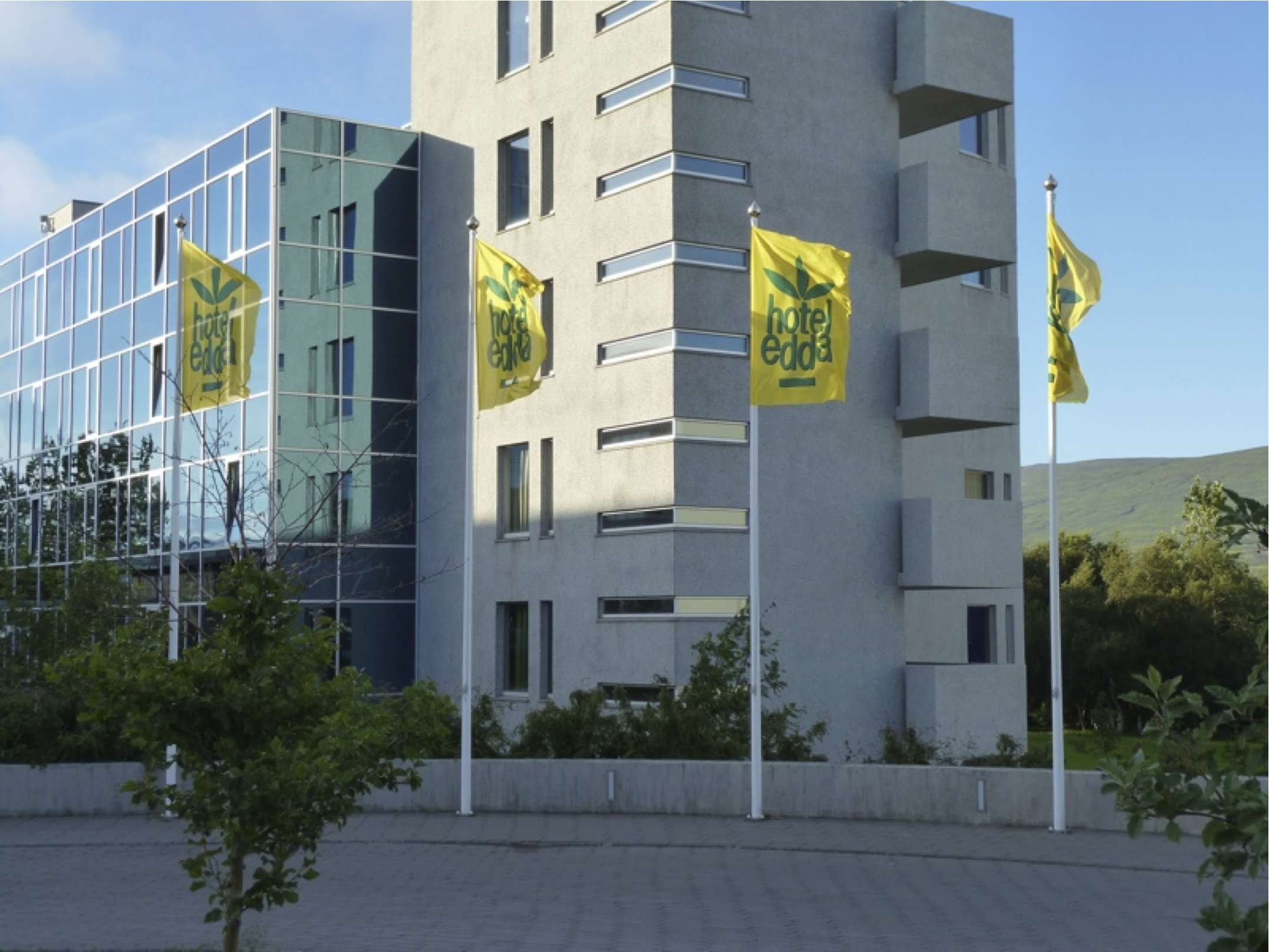
edda

Hotel Edda, Akureyri

In the summer, the richly-endowed residential high schools of Iceland are converted into hotels, serving travellers. This doing (tun) allows for them to be sheltered and fed without capital-intensive infrastructure on the land, that would not turn a profit (dung) and would be a drain on the community (a kind of field.) In other words, without the Hotel Edda concept, travel in Iceland would be greatly reduced. That is pure tun! In the winter, the schools are tuns of a different kind, gathering Icelandic youth together for their common education. It would be best, however, not to think of these multi-use spaces as either schools or hotels, but as a space which allows for and serves both relationships to the land. See? Pure tun! Similarly…

gas2

N1 Gas Station in Blondüos

In sparcely-populated Iceland, a gas station is like a city in itself (Icelandic Staður, German Stadt [city] or Staat [country], English State, and in land terms a Stead, as in a farmstead. Here it’s a gas stead.) Everyone stops (where else?). Everyone eats (hamburgers, chicken, pizza and hot dogs, the national dishes of Iceland, and for the lucky soul a liquorice ice cream bar [available only in Iceland] if you root around long enough in the freezer.) The places so interrupt the roads in a tun-ish kind of way that even the police stop here. Rather than waiting at the side of the road trying to nab people of interest, they just hang out at the N1 and interrogate people while they’re filling up with gas.

Here’s a somewhat more esoteric tun from Kirkjubærjarklaustur:
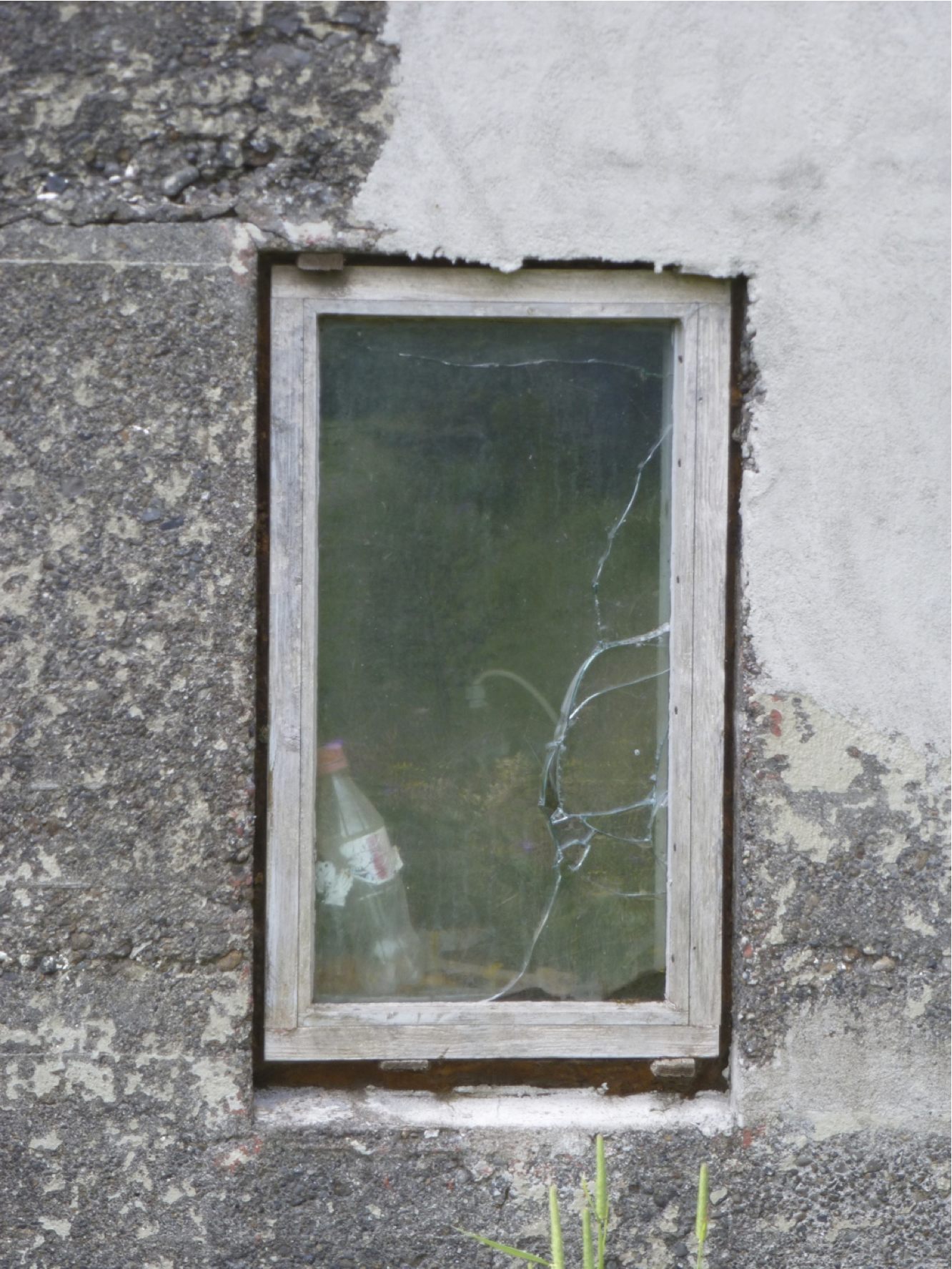
window

A Window on the Tun …

… is part of the function of the tun, even when it’s a bit wonky from a stone cast up by a weed eater or, perhaps (judging from the repaired state of the wall) earthquake.

Similarly, a piece of propaganda-art (or is it art-propaganda?) in downtown Reykjavik provides an anchor point for tourists wandering down to the waterfront (very tun-ish, that)…

Tourism.aluminum2

Leif the Lucky’s Aluminum Ship, with Modern Adventurers

If I was crossing the North Atlantic in a longboat, I’d want it to be a made out of aluminum, too.

… while reminding the Reykjavikers that the money that built their glittering waterfront…

City.
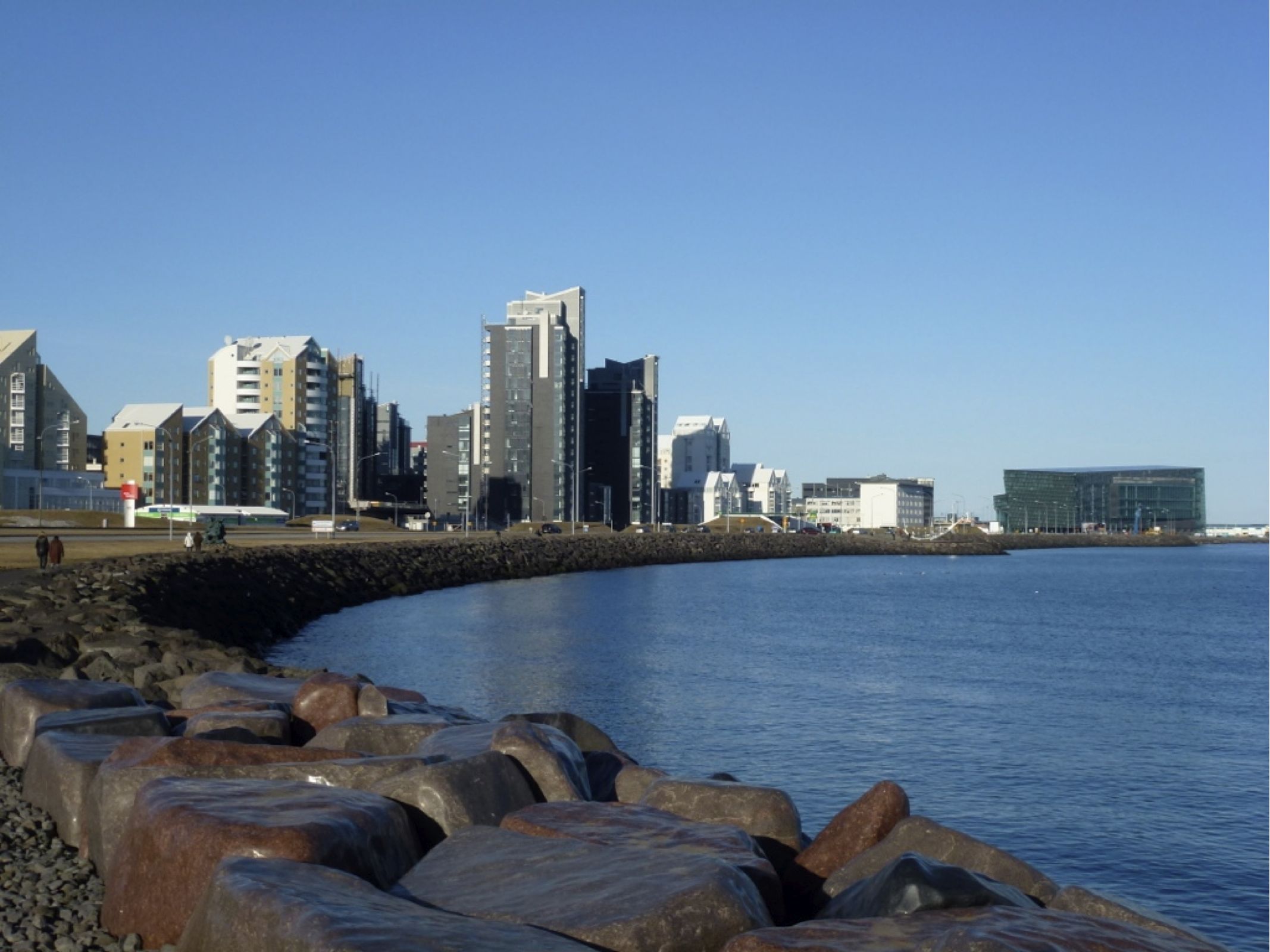
city

Reykjavik: Iceland’s Tun

It interacts with other national tuns to create the worldwide tun network.

… came from the aluminum smelter (and glacial-melt electricity) across the mountain in Whale Fjord.

Smelter.
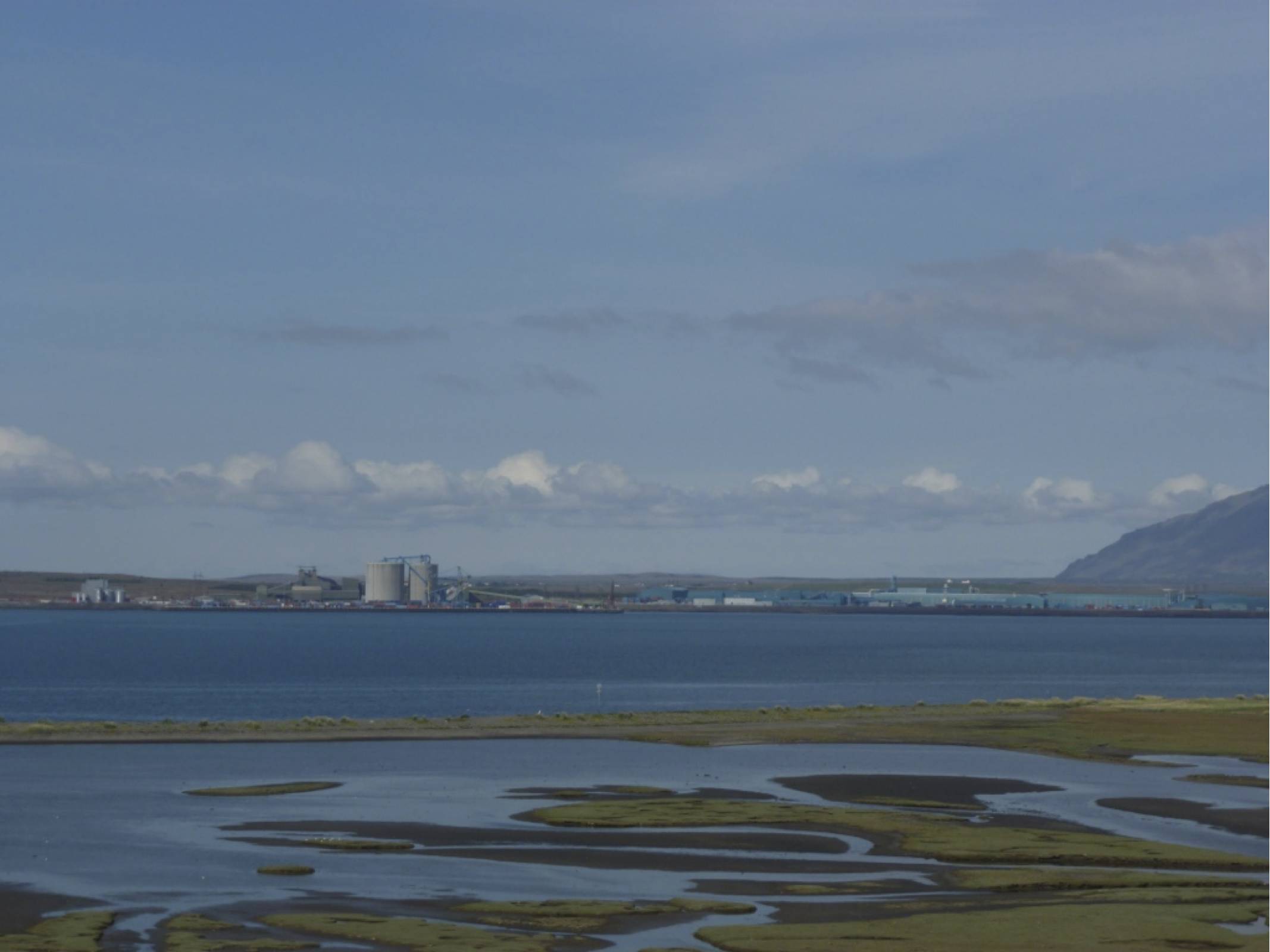
aluminum

Aluminum Smelter with World War II Airstrip (aka bird sanctuary), Hvalfjörður

Leif’s ship points straight this way. This is a capital tun. That it needs space (Iceland) is rather incidental. It might have been British Columbia. Oh, wait, they’ve dammed rivers and diverted them through tunnels and extirpated salmon for an aluminum smelter in British Columbia, too! Like tuns, capital is everywhere. Sometimes it flows right through a tun and obliterates it.

Here’s Reykjavik’s most interesting tun, right on the waterfront …

Harpa.harpa

Harpa

The Reykjavik opera house and performance centre. It also houses a CD shop, a cafe, exhibition space, practice space for dancers, fashion shows and classical, folk and rock concerts. In other words, it provides a space for the concentration of cultural activity of all kinds in sufficient quantity and quality that it can be delivered to the people, the country, and the world. It’s also a beautiful piece of architecture that captures the sun light and casts it in coloured rectangles on the concrete plaza at its base, like sketchings made out of chalk. Tun all the way.

Not all tuns are so complex. Here’s one of the most basic (and powerful) of them all…

Graveyard.

graves

Right Between Church and House

Note the road that comes directly to it. The tithes that came to a church accrued to the landowner who had built the tun space for the people and were, as such, a major form of wealth for Icelandic farms. The byproduct was the dead, who were planted in the tun — a kind of social dung, fertilizing the future (Heaven) or the present (built as it is on human memory, the more the memory the richer the present.)

In this conception of wealth, capital (and money) aren’t exactly the goal, but a product of the tun space. The carefully-bounded space below, on the other hand, added to the tun space…

Field.

field Stallions at Skriðuklaustur

Without the line that bounds this field, there would be no inputs to a tun space. It would only be a potential space. Never underestimate a line, in Iceland or anywhere else.

Here, this image may illustrate that more dramatically. Here we are at Myvatn…
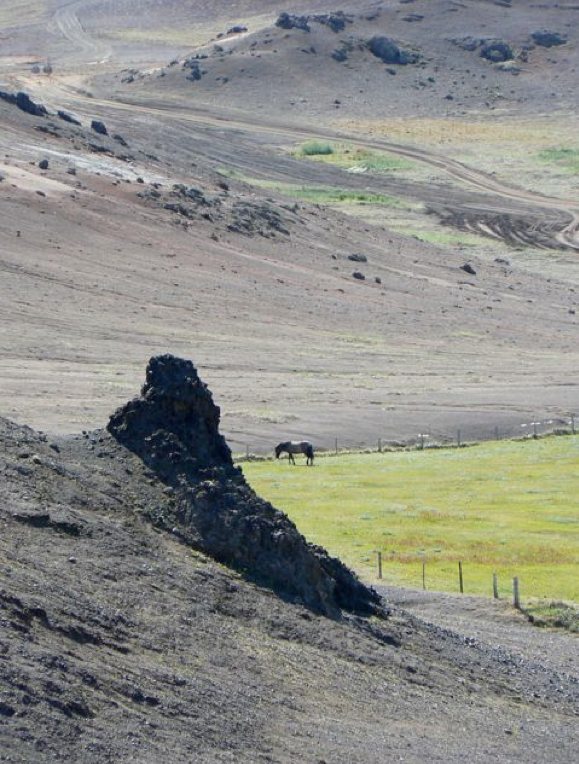
horsefield

Volcanic Slag, fenced and dunged = Field = Horse 

Simple math.

If we lift the camera just a teensy bit, we get some perspective…
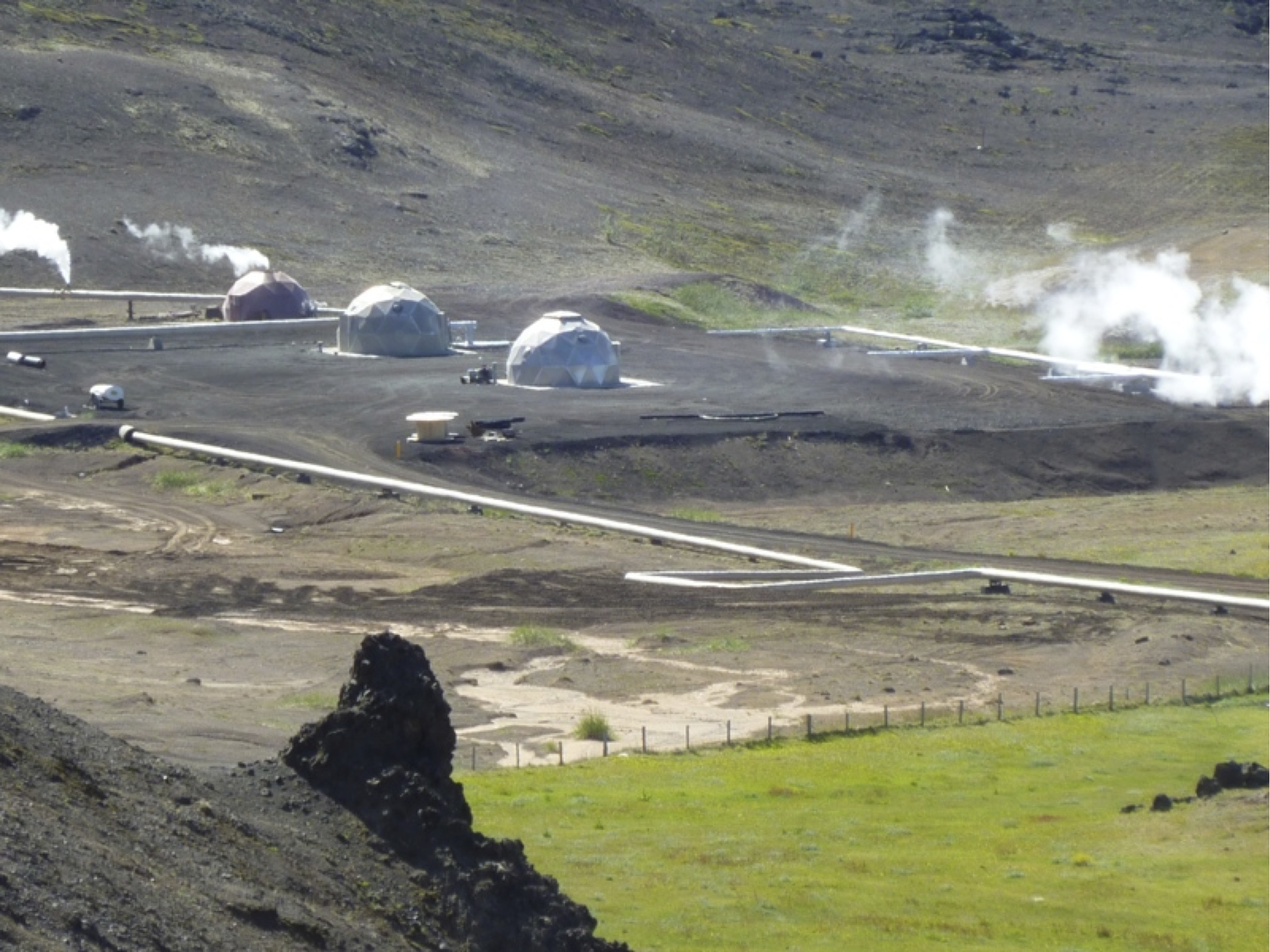
myvatn

Volcanic Slag + Capital + Cleverness = Geothermal Power

Our horse is behind the rock.

You see how that works? The land has potential. It has a form of potential energy. The application of a particular technological approach towards defining it as space allows for different forms of energy to come out of it. A line gives us a field, gives us a horse. It will be brought into a tun, where this elementary relationship is retained. Capital gives use  geothermal power station. It will be brought into a city, where it’s own elementary relationships are retained. In the first case, the earth is full of life and living relationships. In the second, humans are separated from the earth, which is a field of energy, that can be harvested. The interrelationship between these two ways of being is complex, but at all times the elementary principle remains: creativity comes from the space that is outlined by technology; the outcomes are predetermined. In other words, we who are humans are not separate from technology and cannot just direct it to our will. All we can hope for is to create spaces, which create energy flows that lead to where we wish to go, but we should be very clear as to where they might lead. Here’s a kind of tun that got its start in Iceland over a thousand years ago:

Thing.

thingvaellir

The Thing Place in Þingvællir

The world’s first parliament convened on this spot at the confluence of the walking trails of Iceland in the year 930. All the people came and collectively decided their social arrangements, then followed the trails back to their home farms. This is the tun of tuns.

On the principal that space creates function and energy is latent in the land, some tuns are geographical spaces. Like this…

Fjord.

hrafnseyrie2

Arnarfjörður, from Hrafnseyrie

This was the view that Jon Sigurdson, father of Icelandic independence, took in as a child.

Here’s a slightly altered version:

Harbour.

harbour

Stikkishólmur Harbour

Here’s an example of a common Icelandic tun: a ruin of a lost farm.  The people of Reykjavik come from places like this that were no longer tenable in a capital-fueled society. They do, however, remain.

Ruin.

ruin

Ruined Farmhouse near Arnarstapi

The mistake should not be made, despite the astute and chilling observations of Iceland’s Nobel Laureate, Halldór Laxness, that such buildings were a betrayal of the debt of humans to their land, as they were too capital intensive and not constructed within the flow of seasons and fate. Instead, it’s better to think of them as graveyards and memory artefacts, that continue to bind people to the land, although only in potential, and offer the chance of return. The energy that was squandered (as Laxness saw it) on these buildings, remains in them, as it also remains in the land, and can be mined again. Only in the sense of capital is it lost.

Well, there are many other forms of doings in Iceland. Cataloguing them won’t add to that appreciably. But perhaps this image might sum it up:

Bridge.
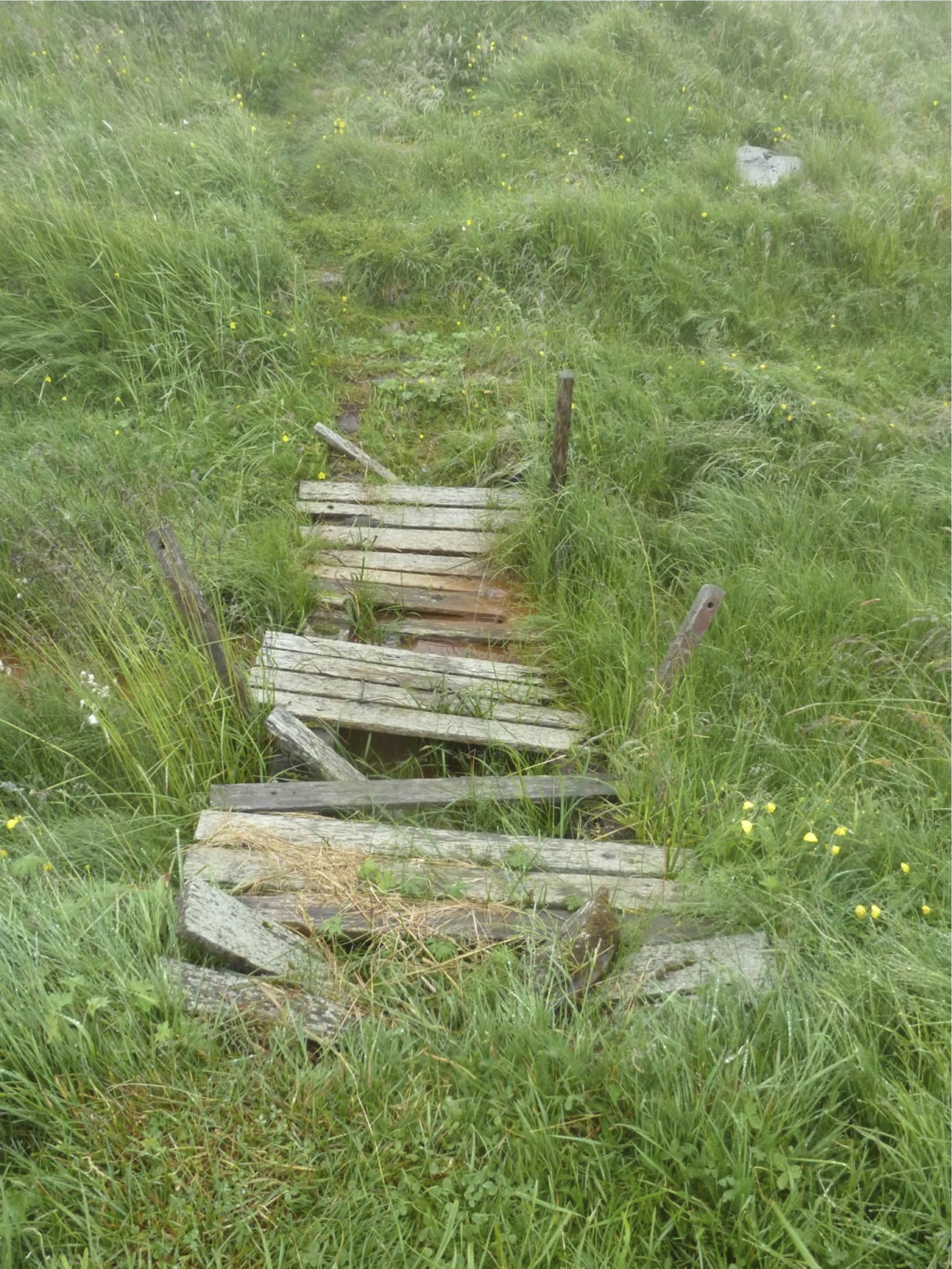
bridgeLike the string that defines a field and allows for concentrated activity, a bridge is another technology both similar to a tun and connected to its energy. It allows for improved delivery of material to the tun, without the contamination of important water sources with the mud generated by foot traffic. In this case, perhaps not so well, but, hey, I used this bridge on my way to the Dwarf Church in Seyðisfjörður, and it did its thing. Oh, and as for bridges, here’s one…

Golf Course.

golfSlowly, a people who have lost their connection to tun space are refinding it, in the golf course surrounding a church which was set up next to an elf city in the lava fields south of Reykjavik. Humans are like horses in a field. They really can’t wander that far.

A Thought on Creativity

In contemporary culture, creativity (a rather new term) is a word used to describe a vast array of impulses. The New World Encyclopedia sums it up like this:

Creativity is a process involving the generation of new ideas or concepts, or new associations between existing ideas or concepts, and their substantiation into a product that has novelty and originality. From a scientific point of view, the products of creative thought (sometimes referred to as divergent thought) are usually considered to have both “originality” and “appropriateness.”  Source.

Well, shall we apply that, then? And where better than Kopasker in North Iceland!

kopasker5 The farming industry has modernized. The fishing industry is bust. An earthquake split the town in two. But they have a nice new lamb-processing plant. What on earth is a town to do? Why, welcome guests by standing in the fields waving, that’s what!

kopasker It is most charming and folksy and as non-Reykjavik Icelandic as it gets, but is it creative? Is it, gasp, the product of …

a process involving the generation of new ideas or concepts, or new associations between existing ideas or concepts, and their substantiation into a product that has novelty and originality.

Well, yes, if we maintain a human bias on the situation. No other conclusion could be drawn — if, that is, the definition is correct. Let’s look again. Are these really original figures? Or are they copies? Are they mirrors of human form, seen elsewhere? Are they projections of the human subconscious?kopasker2 I think so. I think humans are acting as lenses or catalysts for energy. I also think that seeing the issue in this fashion breaks the idea of creativity in just the way the earthquake broke Kopasker apart. That was a lousy thing for Kopasker (it is a very small place and, really, has no infrastructure for dealing with a body blow like that), but maybe it’s good for humans to get knocked off their pedestal a bit. And then there’s this ..kopasker3 By golly, the woman is made out of discarded fishing floats and what is that, an early IKEA sheet set and Grandma Karin Thorsdottir’s blouse? Oh, shucks, not to worry, it’s not just her who’s doing the disused-fishing equipment thing but Thor himself! Whew!

kopasker4Here’s a suggestion: what humans have made here, most charming that it is, is not creative. Creative lies in the energy held within the used articles. Humans mine them by recombining it in age-old forms, such as Thor and Grandma Kirstin. The design and effort and patina of use that adheres to and is present in articles is used over and over in Iceland. Maybe that’s common human experience everywhere. That seems likely. Here’s a humanized view of a disused gas station in Iceland’s far north. This is like Gas Station Version 1.0.

gasIt looks like a human form, too! Well, at least in the way I’ve framed it. Maybe that’s what the human eye does all the time: finds the human body out there and maps the world according to the physical shapes and processes it knows well. That this, and all art works, is a map of the human mind, and what isn’t a human artwork? Well, what about this, then?

blueStrutfoss, Iceland, in April

The invention of the colour blue! I swear, it didn’t exist before I walked up the valley and through the snow drifts and over the hill to find it here, glowing like a blue sun.

Is that creativity? Since contemporary culture has given the study of natural phenomena to scientists, because they took it, mostly, is it like they say? Is it this:

From a scientific point of view, the products of creative thought (sometimes referred to as divergent thought) are usually considered to have both “originality” and “appropriateness.”

Well, no. It’s not the product of creative thought. It’s a waterfall. Ah, but is it? Is it not an image of a waterfall? But, leaving that aside, might it be that it is full of energy, just as the fishing floats are? And that this energy can be mined, just as the energy of the fishing floats can be mined, instead of them being capitalized, as is the dominant economic model today? Why, perhaps, yes. Take a look at Reykjavik and see what the city has been fiddling around in while the Kopaskers have been gluing their town back together with plumber’s cement and fishing floats and good humour.

harpa

The Harpa Opera House!

It catches the light, concentrates it, and projects it, just like Strutfoss does.

The apparent difference is that it is human aesthetic and social light that it gathers into itself and projects, as  this is the main display space for most of Icelandic “creative” culture, while Strutfoss projects elemental energy, but I dunno. They look much the same to me, once this pesky ‘creativity’ word is divested of its human bias and given to the world. Or to a horse.

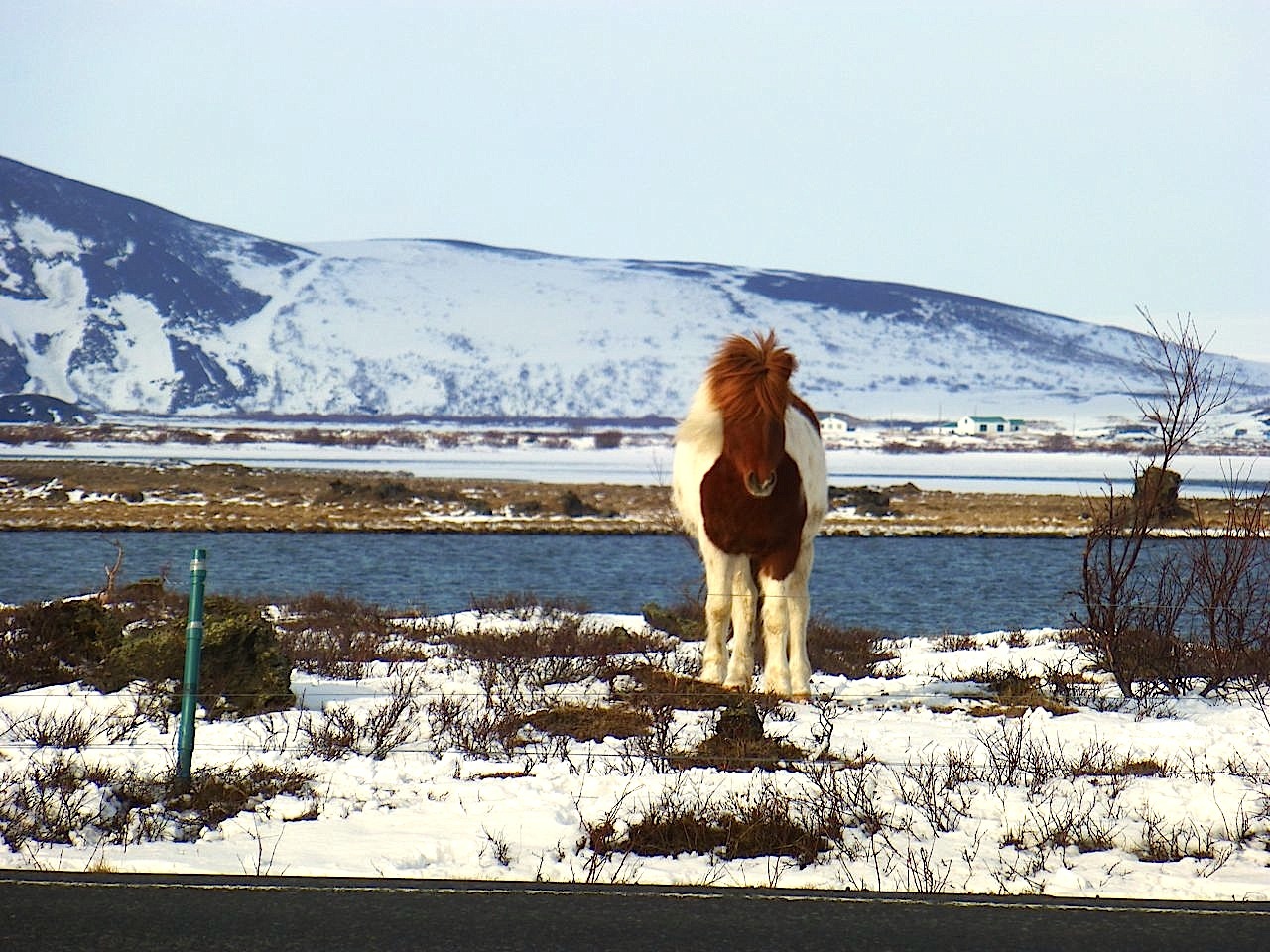
myvatn2Horse in a Field Created Just for Him and Him Alone, Myvatn, Iceland

Giving energy away, in other words passing it on rather than keeping it, now, that might be creative, but only in the sense that we are defining creativity as just that: passing energy on. The forms aren’t new. They are just recombinations of past energy use and the relationships inherent in it and its products. The energy, though, and the life it can create, in all senses that there are life, that is creative. Humans don’t create life, but, like the Harpa, they can create the conditions for it, and then they can stand back and marvel.

hunterGreat Blue Heron Hunting for Mice in a Hayfield

Home on Earth

I made it! I went to a farm near the end of a valley in a remote part of Iceland, and found my way home. I now have two homes on this earth. Just look at them both in this spring full of light. First, my home in the middle of the North Atlantic …
P1450760

Spring in East Iceland (Skriðuklaustur)

And then my home in the volcanic sea inland from the North Eastern Pacific …

biggreenhillSpring in the Okanagan (Bella Vista & the Commonage)

Same sun, such different light. It’s so good to be home on this Earth. In celebration, I am posting this today as well on my blog about my volcanic sea, www.okanaganokanogan.com. Bless bless!

The Lesson of Spring Snow

All day I’ve been having enormous fun with books and making a book dance out of nothingness, about things that are among the most important to me in the world, things like the world, and how words are a very old magic given from people who lived with the earth and knew some things about it. By the time I was ready to go out a-walking, a spring snow had hit, although there was no shortage of light.

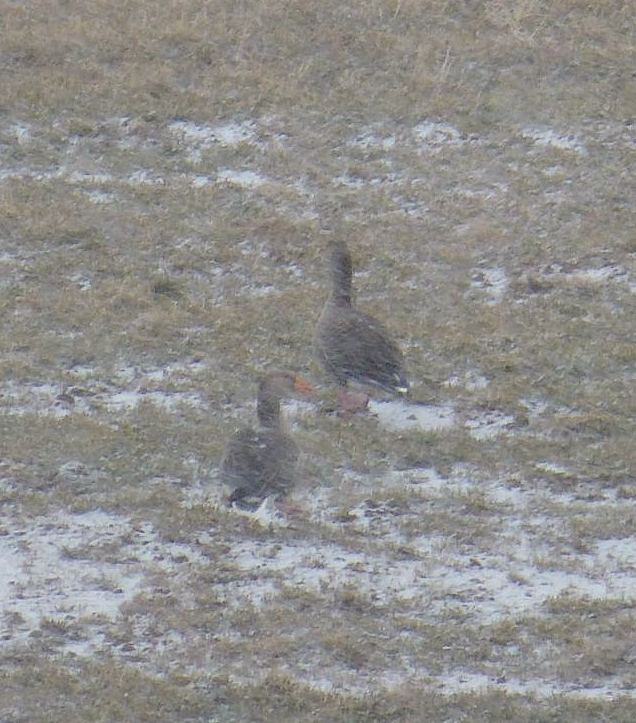
twogeeseinsnow

Migrating Geese Sitting it Out in a Pasture Field

I thought I had a found a bit of nature. Ah, such a naive Canadian fellow. You must be smiling — if you’re not shaking your head. The geese, mind you, had a clear idea about things…

P1420252

Don’t Worry. When I Walked Away They Came Back

Still, a rickety little camera and a lot of zoom in the snow, boring, right, so I walked on, and on and on, enjoying the snow. I tell you, things looked pretty good in the light. I thought that was the story. New snow acts like a lens for light, which brings up contrast, which makes things look, well, fantastic, like this…

snowcanyon

Nature. The Canadian is at It Again

And waterfalls. And ones that no one goes to, yet. Secret waterfalls. Oh, Canada, or what!

And true Canadian that I am, raised on the Canadian myth that things start best with nothing, thought, well, nature, eh, and photography, whoa, and working together yet, huh, and that was pretty inarticulate, wasn’t it. Sheesh. The wind was nice, though, and it was good to feel cold after so many days of sun. So, horses, right. Always friendly and ready to pose…

P1420260

Well, Actually, Telling Me That It’s Time for Hay

But I thought, you know, the fence, ugh. We want the wild land, the earth, her own face, and what do we have? A fence. What a bust. But then the walking started doing its magic and I started to see, not because of the light, or the camera focussing my mind, but because the world was starting to sink into me after 5000 words of some pretty crazy writing, and this is what I remembered looking at just a minute before when I took a picture by reflex …

P1420257

Horses at Home

There are no prettily arranged farms in iceland, because they’re not farms. They’re cities. 

And I got to thinking, what if I stopped looking for the earth, would I find it? So I looked around …

road

A Fence, a Crop of Larches, a 4×4 Track

In Canada, this would be considered a portrait of intrusion on a landscape. Here, it doesn’t feel like that.

What is going on? I wondered. So I looked around some more…

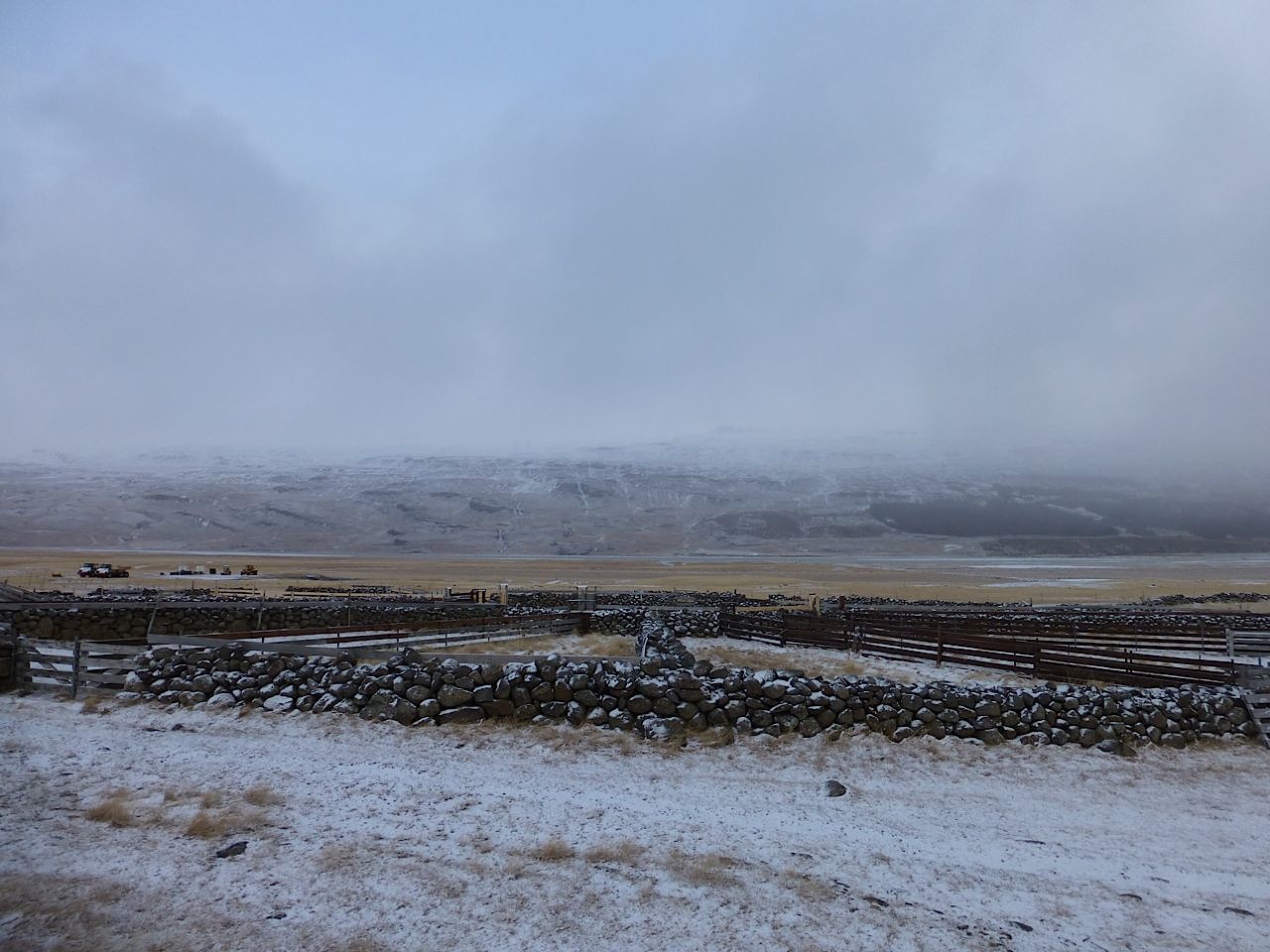
flat

The Neighbourhood Sheep Fold

Of course, by this time I was being observed, because it was still hay time …

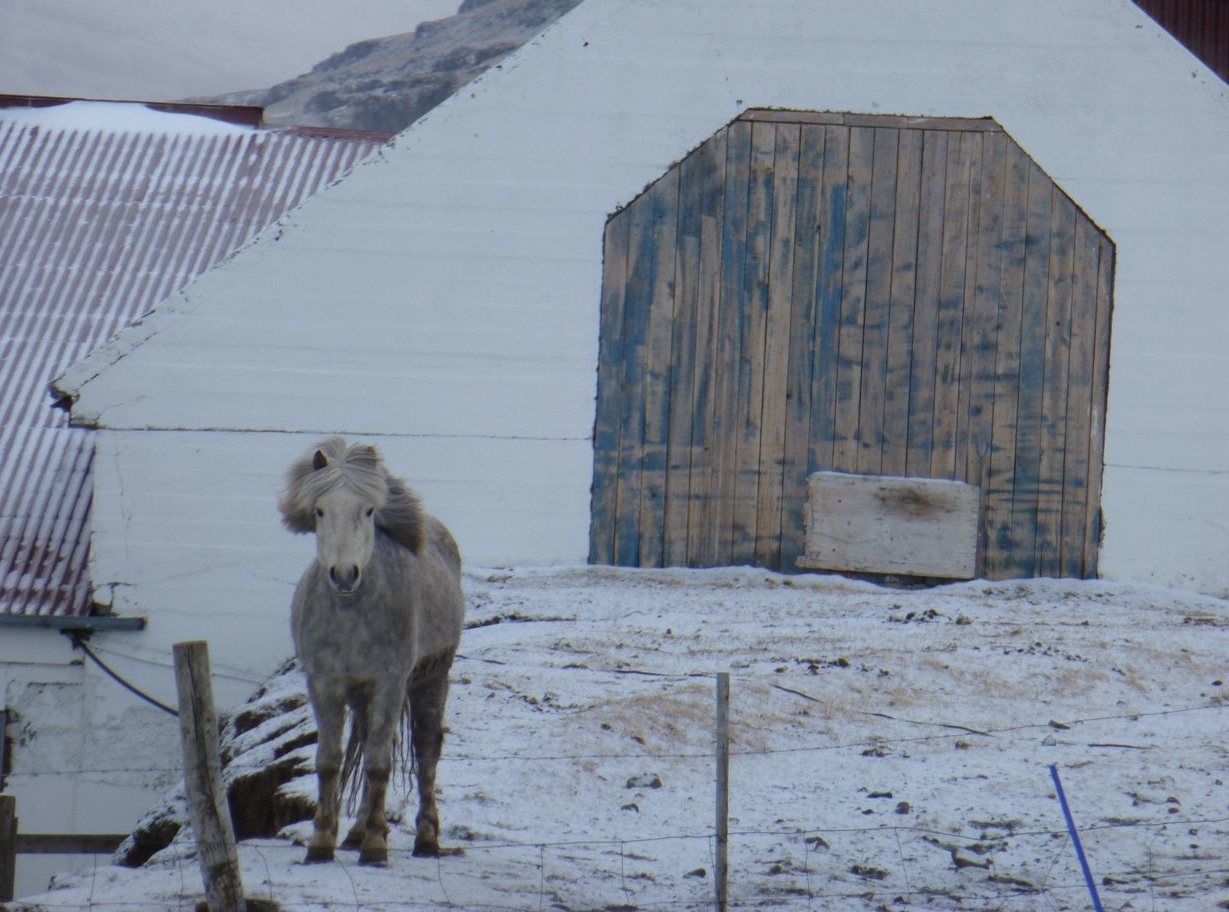
bluehorse

The world is physical, and humans are among its recorders. So are horses. 

The idea of nature, as a universal quality, spread across the earth and observable by all humans equally, especially through photography, is just not true. The word ‘Nature’ might be a word whose meaning has been twisted and lost.

P1420274

Nature? 

Nature is not the wild world? Then what is it?

That horse seems to know, doesn’t it.

How to Say Hello in Icelandic

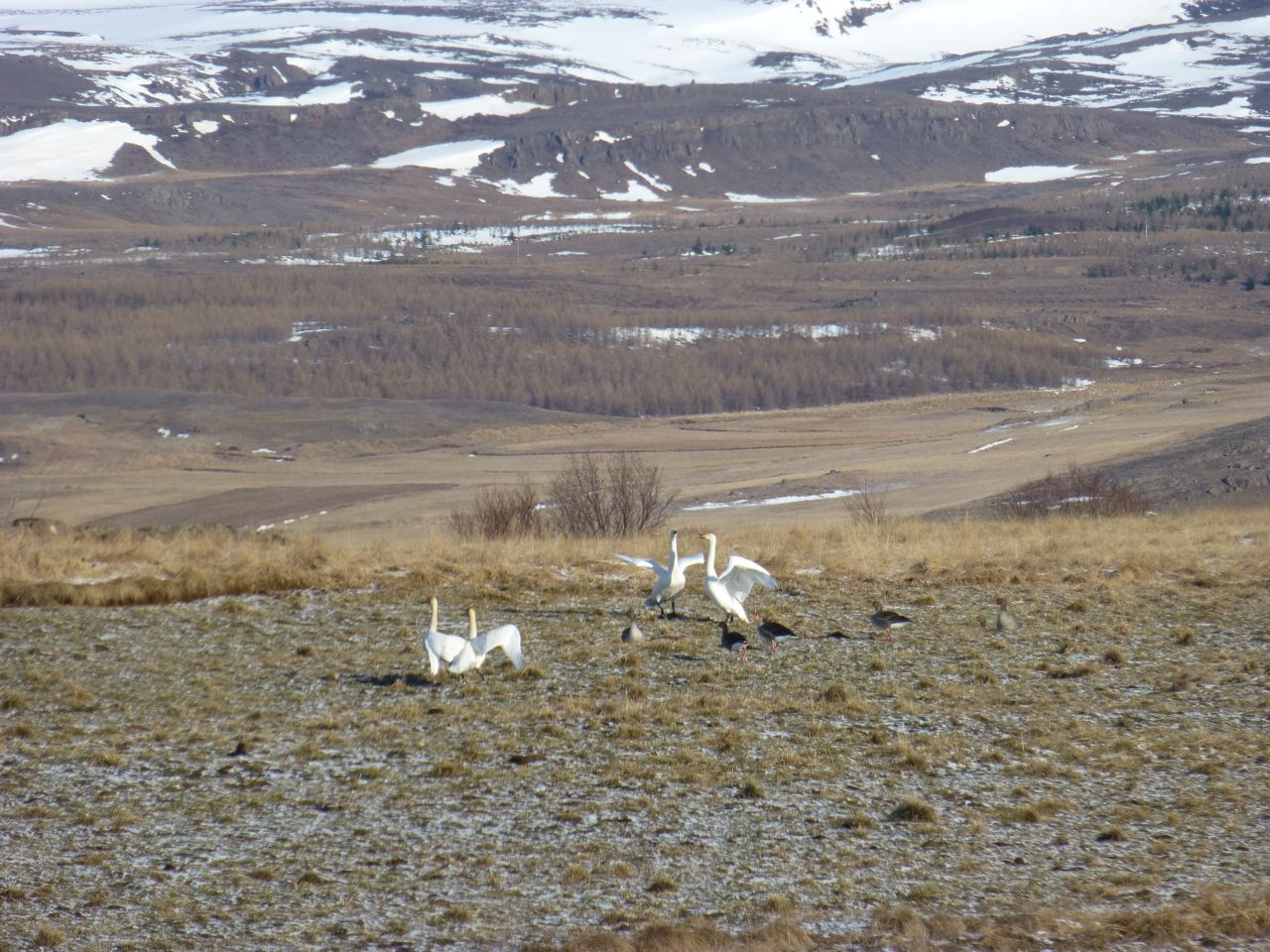
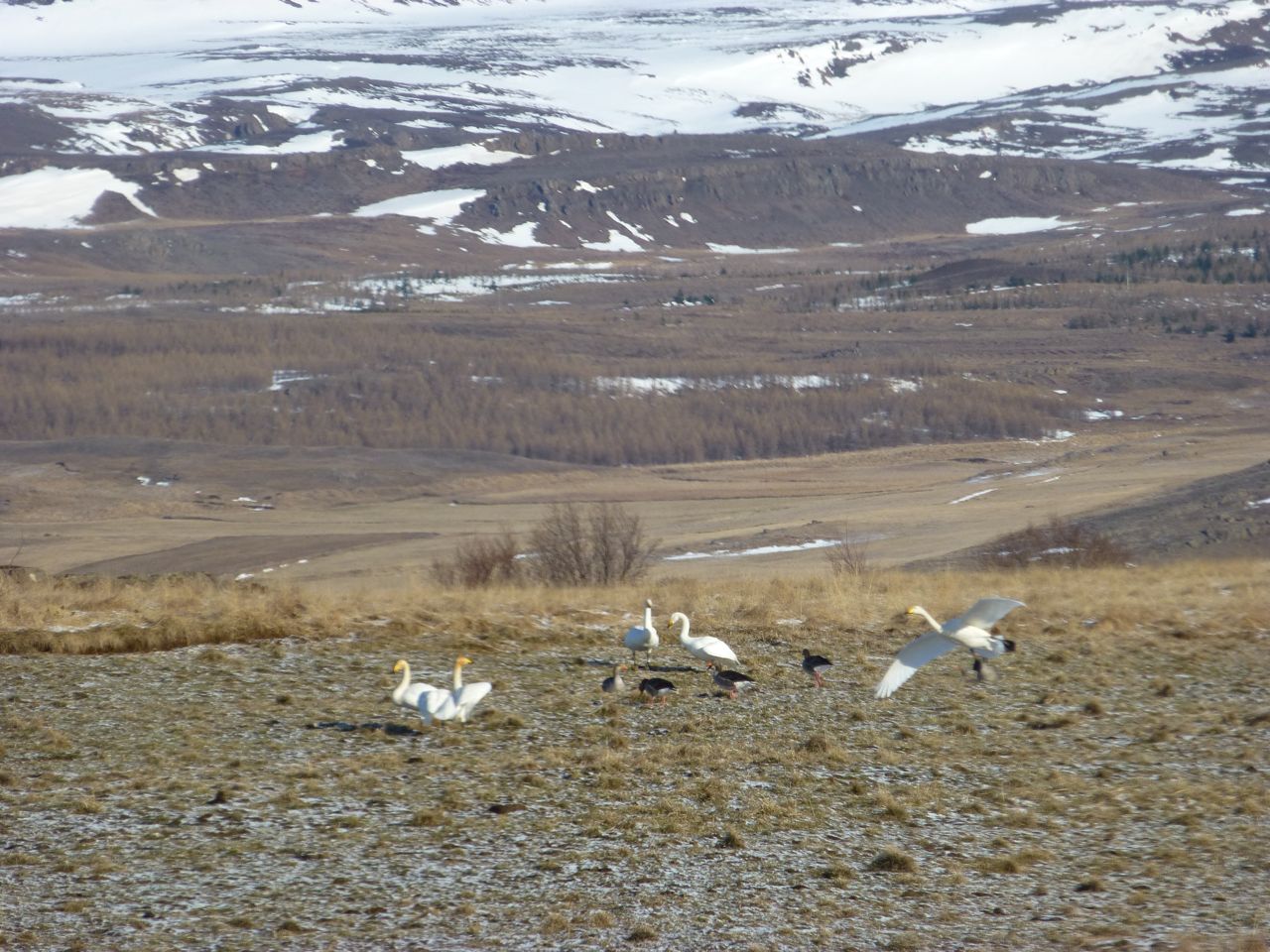
Sometimes travellers haven’t quite managed the Hae! or the Góðan daginn!, and for them Icelanders have a secret welcoming code, revealed here for the first time, ever. Here’s how it goes, step by step. At first, everyone is snoozing with their buddies…

P1400905

Sweet Morning Dreaming in Fljótsdalur

Sleeping in at 8:30 a.m.

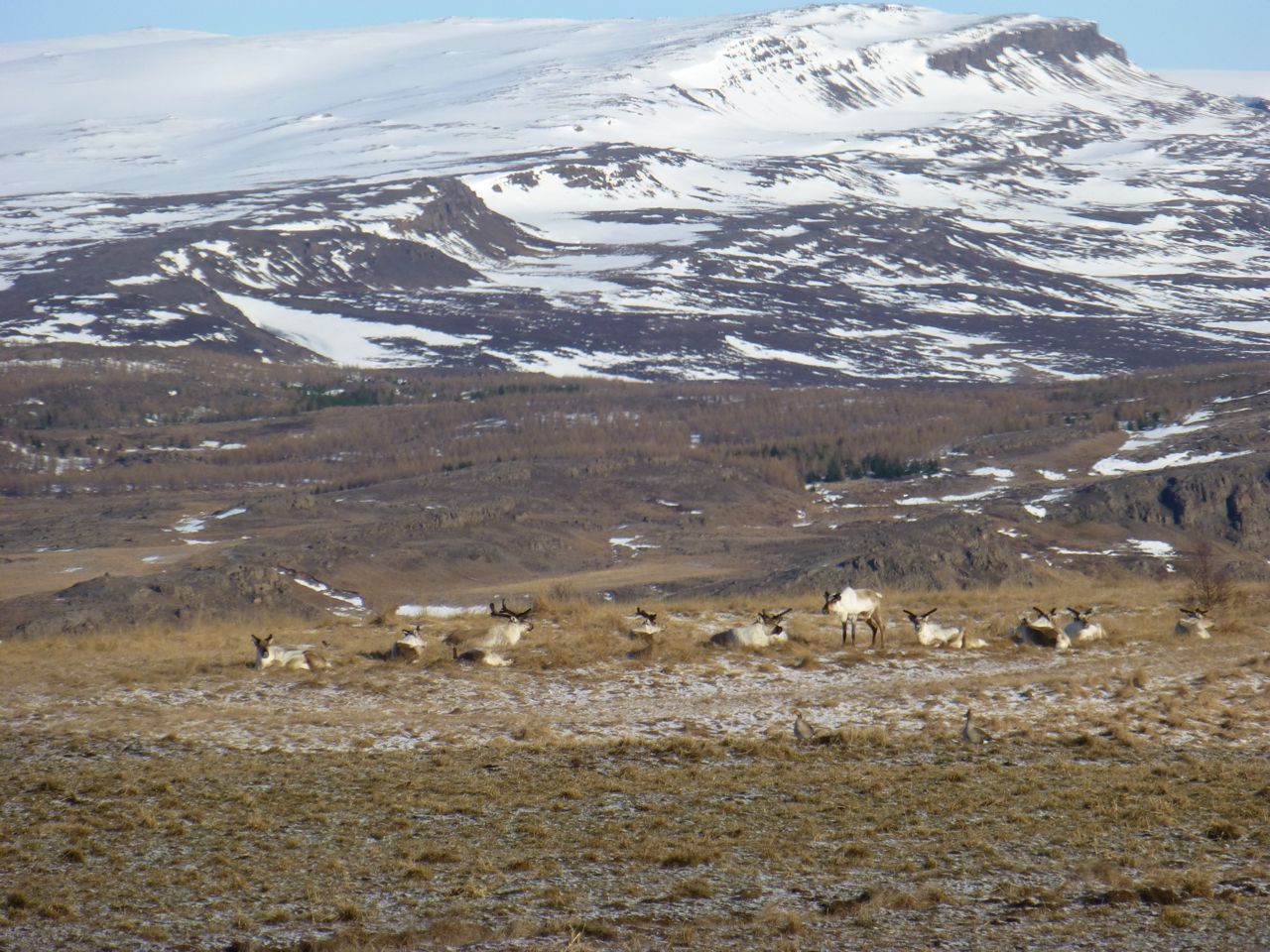
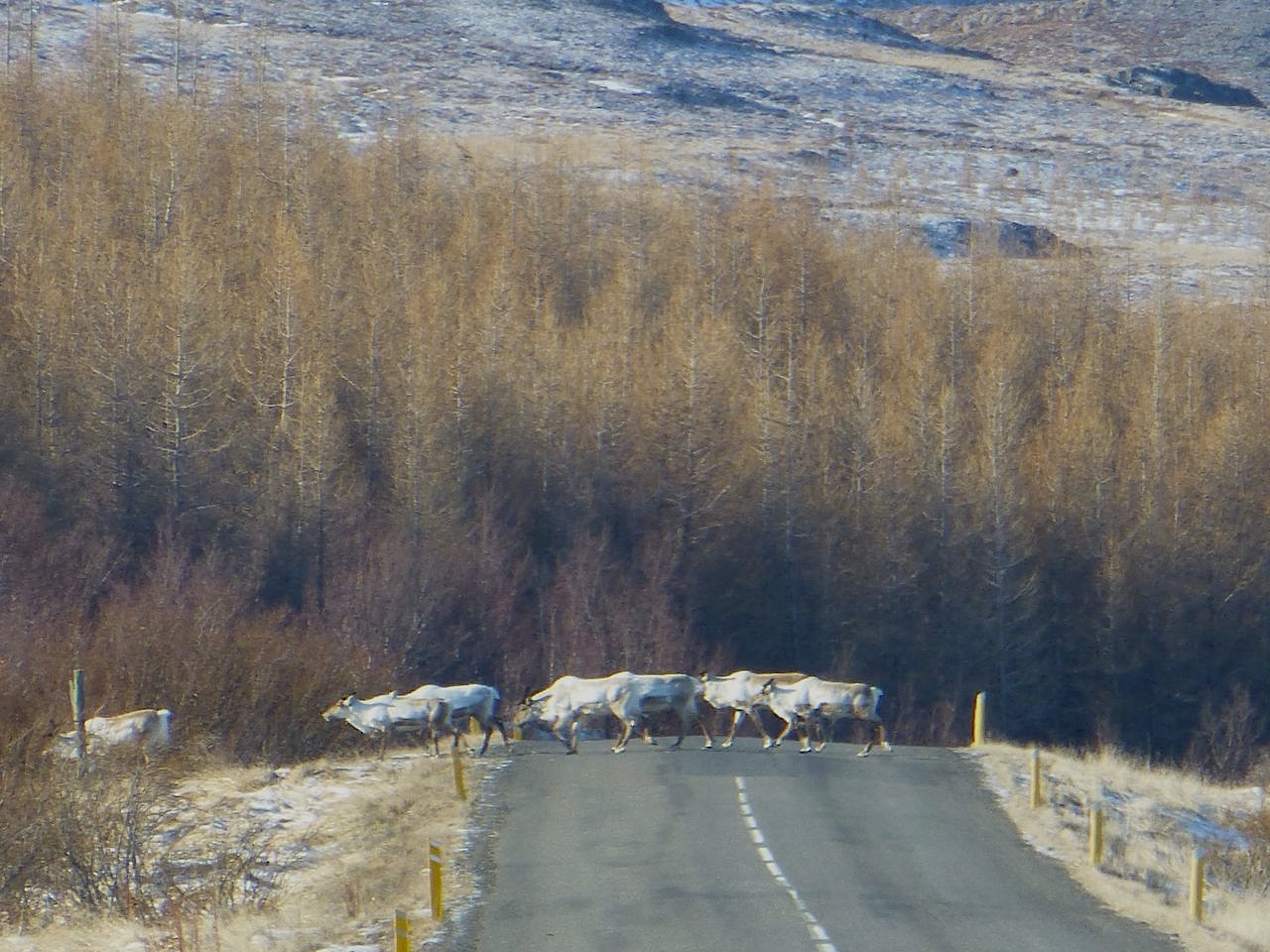
If you didn’t get that, it’s the reindeer people …

P1400911

and the swan people (and their goose comrades) …

P1400906

all zonked out together in the same quilt. But will it last? No, it will not. A traveller has come, and needs a proper greeting …

P1400913 At first, a little face to face and then …P1400914…some tra la la and then some honking ….

P1400919 … and then a little bit of confusion because the hosts don’t know if everyone is going out for a nature safari or settling in for breakfast …P1400920

… and then a bit of a gangly entrance (with honking) …

P1400921

… getting more coordinated (more honking) …

P1400922

… and, oh, nicely done (Honk! Honk! Honk!) …

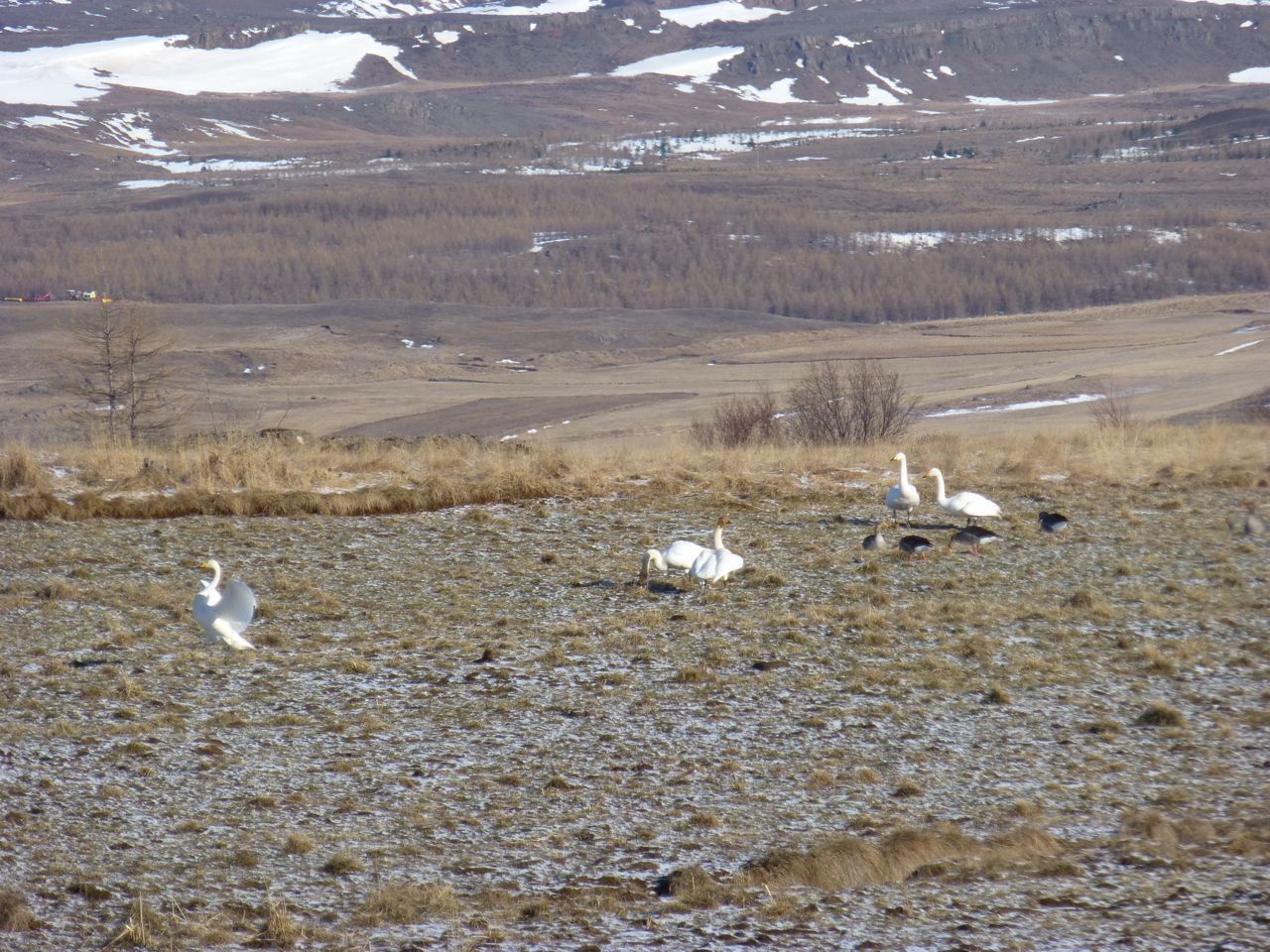
P1400923

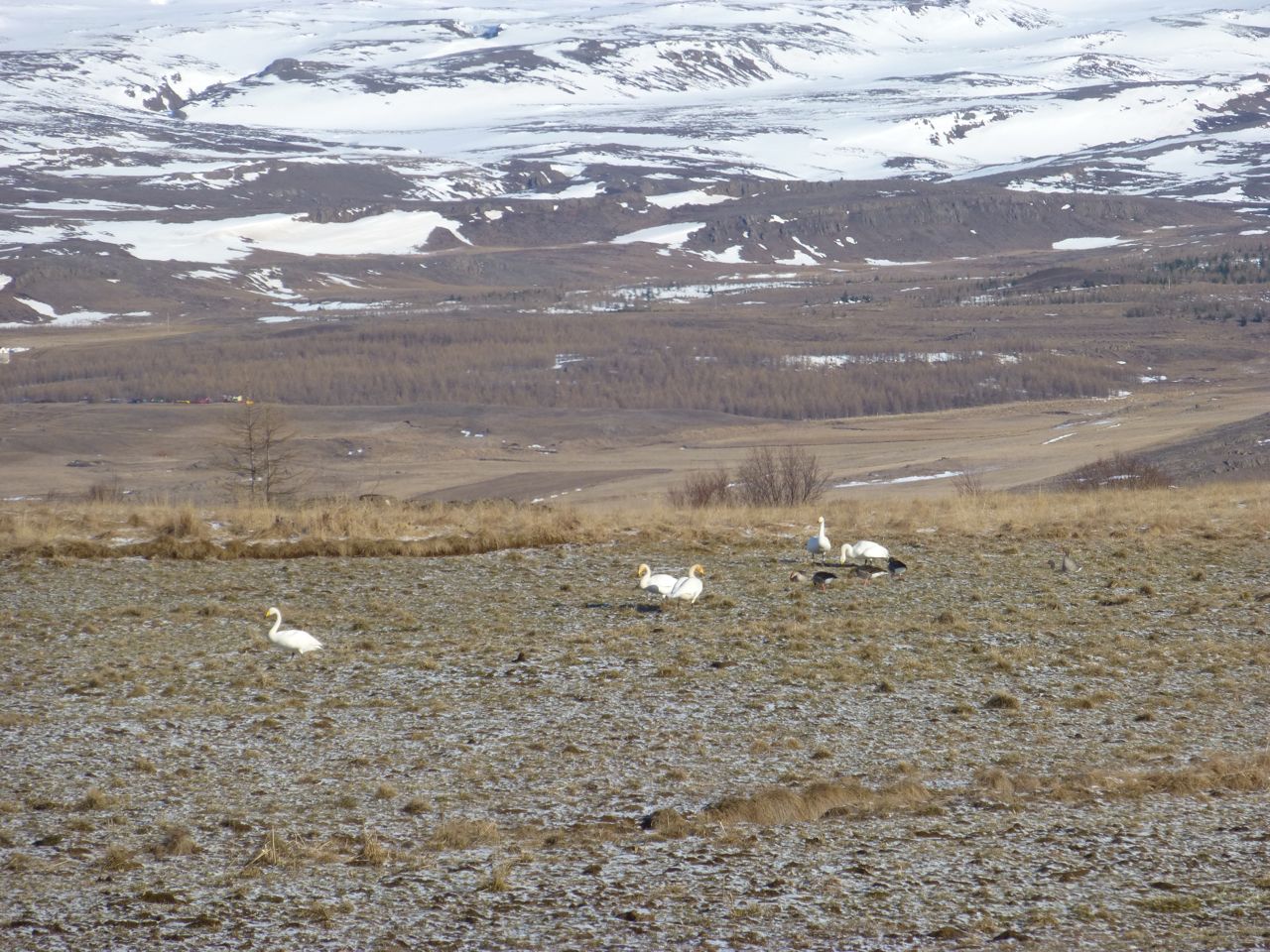
… and everyone settles down in the lovely quiet of the morning to pick at the frozen ground, together, that’s the thing, to – ge – ther…

P1400924

… well, except …

P1400983

… Oh, rats, all that woke the neighbours up. The neighbours have some thoughts about that …

xingGóða ferð!

(And that does not mean hello.)

The Horses of Iceland

You’ve no doubt seen Icelandic horses posing beautifully and looking like the horses of the gods. This is even better.

Error
This video doesn’t exist

The Sculptural Path to Story: an Icelandic Saga

Today, a meditation on lines, and the art and society that sprout from them, as a branch to this…

rowan2Gunnar Gunnarsson’s Rowan Tree, Skriðuklaustur, Iceland

Bending to the earth and throwing her branches into the sky. To say that these branches and twigs were hair, or a mane, or arms and fingers would be a kenning, or a skaldic pun. She has her own dignity, though, I’d say. After all, rowans are sacred to the Goddess. Their red berries glow like drops of blood in the snow, or, if you wish, the strawberry coloured lips of the Goddess of the English celts, or, if your mind wanders so far, to the lips of your first love, or your deepest. They are also a symbol of Icelandic nationalism.

Yesterday I started this meditation by talking about elves, to suggest that the earth is very much alive with human imagination, and not in a fantastical way, either. If you missed that, it’s here. Today, I’d like to talk about lines, to show how story rises from that same imagination. A couple weeks ago, I introduced this thought on my Canadian blog, Okanaganokanogan.com, with a thought from the sculptor and painter Ken Blackburn, that all writing and imagery, indeed all artistic culture, begins with a line. Here’s that post, if you’d like to see Ken and his strawberry-coloured raven. I’ve had many joyful arguments with Ken. He represented lines with panache. I argued for knots, deep wells, pools and other points of intersection between worlds. Well, look, maybe we were both right:

bubbleline1Icelandic Pool with Line, Skutustaðir
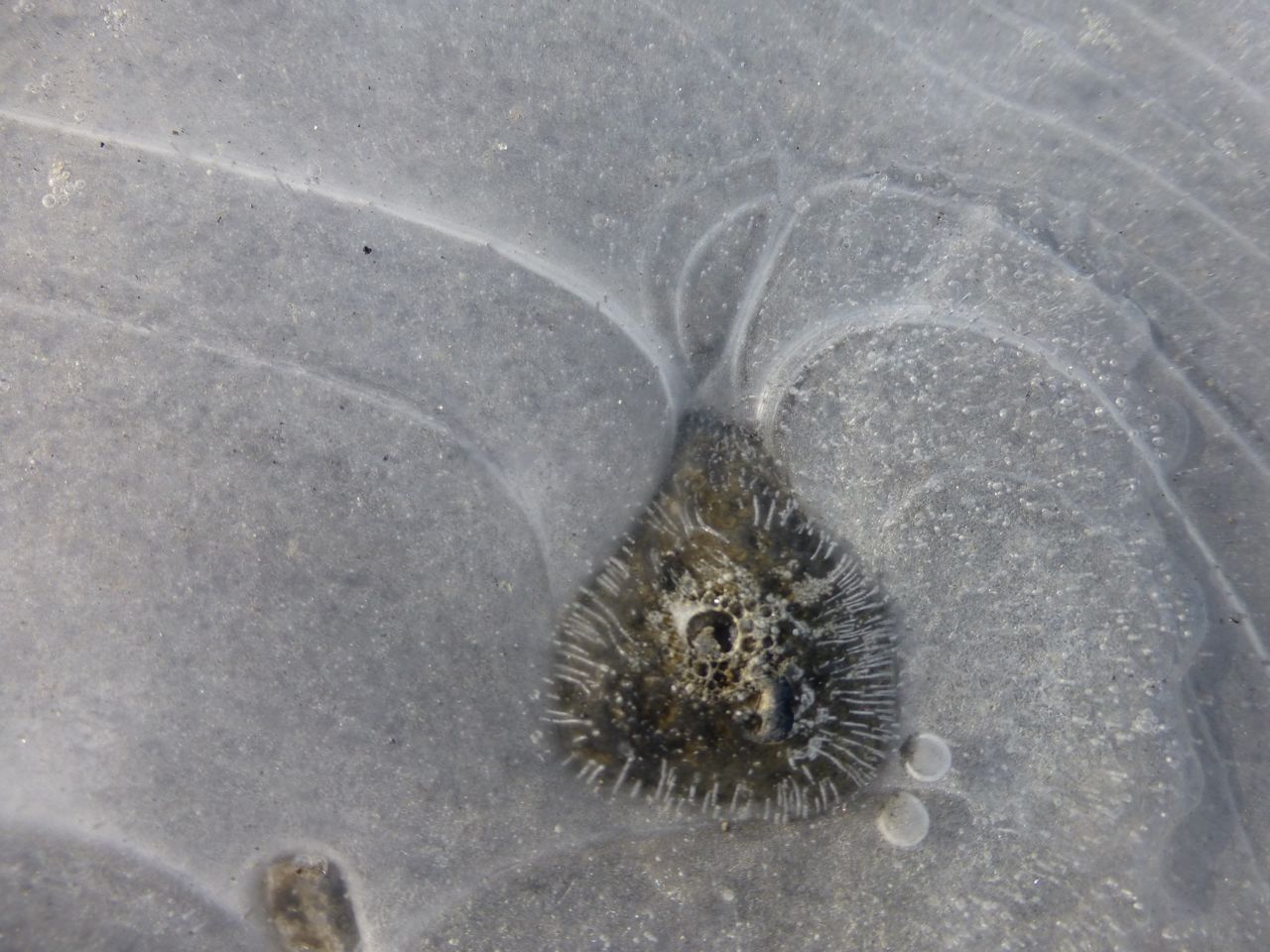
If you take the line away, you have a field, but no story.

I learned the skills for that kind of erasure by pruning fruit trees by starlight (I do not exaggerate) in the German Nordic Canadian dream that was my childhood, and learned to adapt it to the crafting of objects made out of words, which I thought for decades was writing, although it was really a form of sculpture. The addition of a line to a field, however complex, creates a tension, which human minds, structured to track game across grass and sand and to recognize the nuance and significance of the tiniest of plant forms and deviations, naturally follow. In terms of the craft which I track as a sculptor and many others lay down somewhat differently as trail makers, or writers, this is the root of story.

lakeelvesandice16

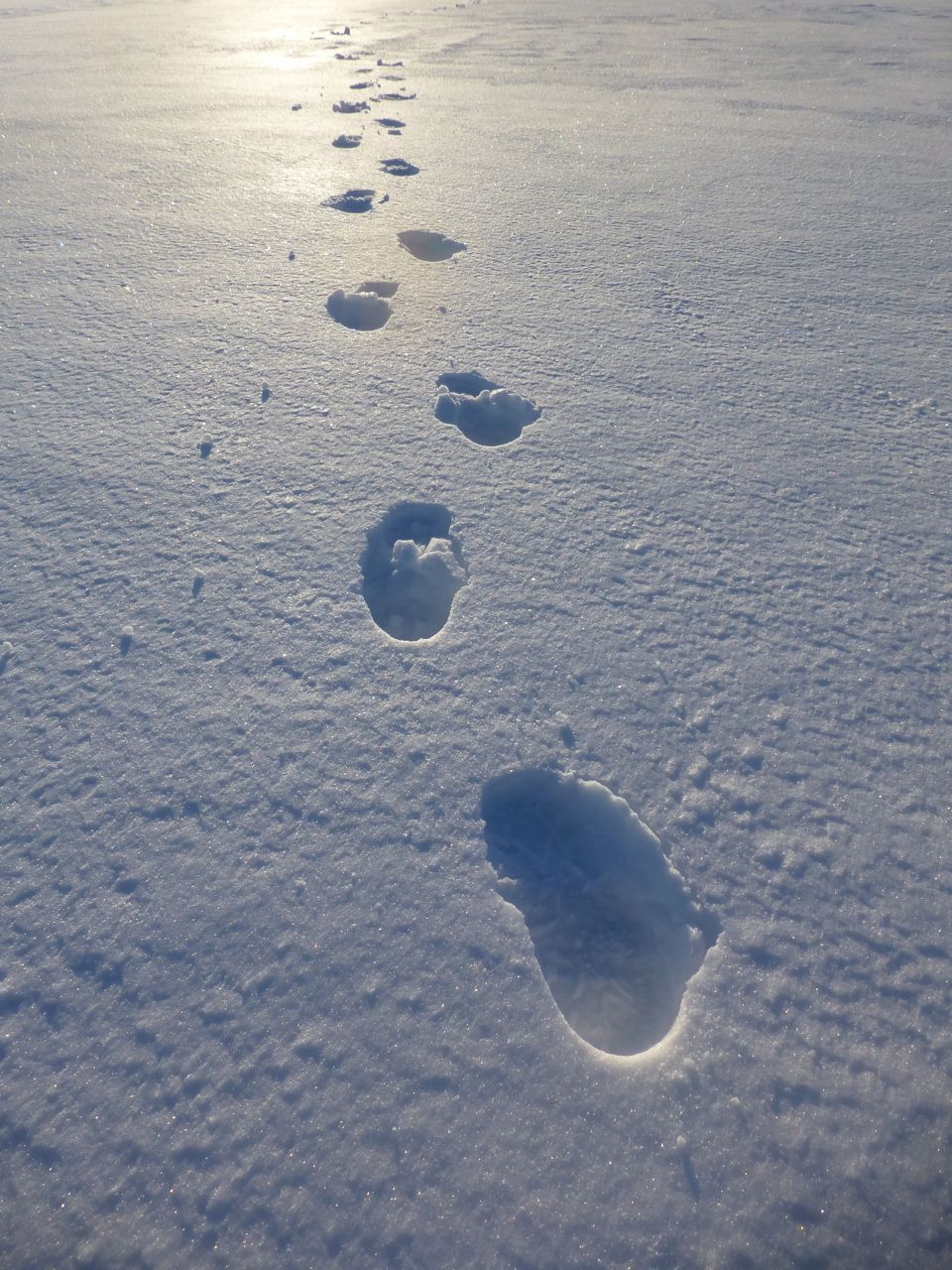
Footsteps on Lake Mývatn, Iceland

With the late afternoon sun rolling around on the horizon, like an eye. A writer looks forward here, into empty snow. A sculptor looks back into its story.

Before the line, there is indeed a pool (or a lake, a pond, a puddle, a sky, a moon, a well, a field, a face, or a room, and so on). It is endlessly fascinating but engages only one half of the split human mind. In storytelling, this is called a situation. To create story out of a situation, there must be two characters, who exchange powers at a point of transfer. That point of interchange transforms them.

ice16

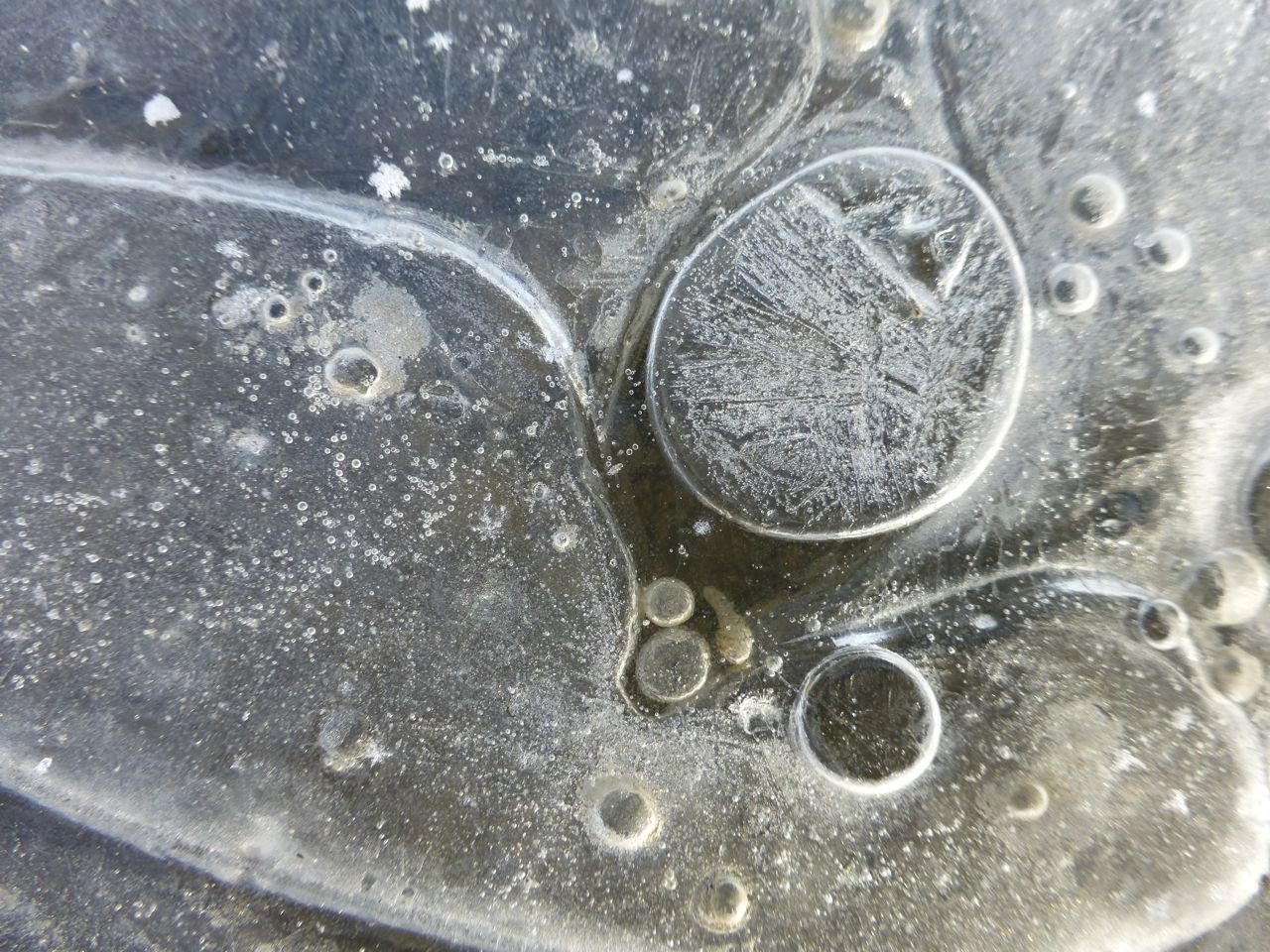
Lines of Cosmic Energy Entering and Departing a Vortex …

… or rising from it. Driveway Puddle in the Early Morning, Skutustaðir

This kind of tension (and this unresolvable paradox), will continue to generate story as long as humans last on earth. This ability to read story into the earth’s processes is the signature of humans. It is the same tension that creates a poem within the boundaries of metre, or the balance that humans call beauty, which is a coming together in complex relationship to lines…

Lineice2

Beauty

Driveway Puddle at 9:30 a.m. on a March Morning, Skutustaðir

Lines, of course, don’t always have to be simple. The one above, for instance, was taken while men with orange vests were fussing over the lone gas pump a few metres away, a woman was driving around crouching me on her way to take her kids to school, and the hotel cook was banging the snow off his boots after sucking the fire out of his morning cigarette before work. Lines, or story, shall we say, can be as complex as this…

energy21

… or this …

ice28

… or this …

iceandlines09

… or this (you can probably surmise that a number of people had to drive around excited me) …

iceandlines44

… or this…

redhorse

Icelandic Horse Held in Its Field by a Line of Human Will …

… and continually at tension, between running free and being led (and fed). Notice the line in the foreground that humans have built in order to move past at speed, without stopping.

Sculptors stop. They get out of their narratives and find their stories telling themselves. The imagination that reads the human body into the sculptural forms of the land, also reads, and indeed creates, story, not as narrative but as something complete and whole in the world, that one can follow without moving at all. Pretty beautiful, I’d say. What does all this have to do with Gunnar Gunnarsson? Ah, I was getting to that. That is where you’ll find me tomorrow: in that story.

Gunnar’s Warning to the Germans

Look at the riddle Gunnar Gunnarsson told the Germans in 1940, just a few weeks before the invasion of Denmark and Norway and the resulting invasion of Iceland by the British and then the Americans:

It is far better for a man to recognize true inner human nature without touching it than through the words and behaviours people dress it in. Such a view into truth is far more vital than casual thought would have it. And certainly it’s no great sacrifice to hold to good taste and respect in all things. And since the talk is about sacrifice, our land has at least fully earned that, and our joy at its beauty will never be complete until these issues are ordered in such a way that gives no more ground for reprimand.

The text it is from a speech called “Our Land.” It can be read many ways. Here’s one:

fold

Turf Sheepfold, Reyðarfjörður

Here’s another, referencing each sentence of the passage quoted above to the argument Gunnar built up in the pages preceding it:

1. It is far better for a man to recognize true inner human nature without touching it than through the words and behaviours people dress it in.

Translation: Iceland has no history, except nature. Elsewhere (Germany included), nature is interpreted through the habits and clothing of people — in other words, through the changeability of time. In Iceland, however, nature is naked, and so are people: they are dressed in nothing, except each other. They do not exist in time — only in place. When one builds a bridge in Iceland (it is an example that Gunnar uses), one has to build it out of Iceland and not out of imported ideas, which sit within foreign customs and gardens rather than within nature itself, no matter how successful they were in other places. In Iceland, they won’t work. The land is not forgiving of any departure from its forms.

P1190151

Workers’ Housing, Aluminum Smelter, Reyðarfjörður

Gunnar would not have liked this.

2.  Such a view into truth is far more vital than such casual thought would have it.

Translation: Truth is untouched nature. It can be approached (and dismissed) casually, but it is not in itself dismissable. Nature is not the contemporary idea of “all things green”, nor the idea of “landscape art”, nor the notion of a goddess of nature called Natura. It is God: wordless, idea-less, unrepresentable and uncontainable. God is Iceland is Nature — or they would be, except God and Iceland and Nature have no names, and no words or ideas can be given to them, only drawn from them.

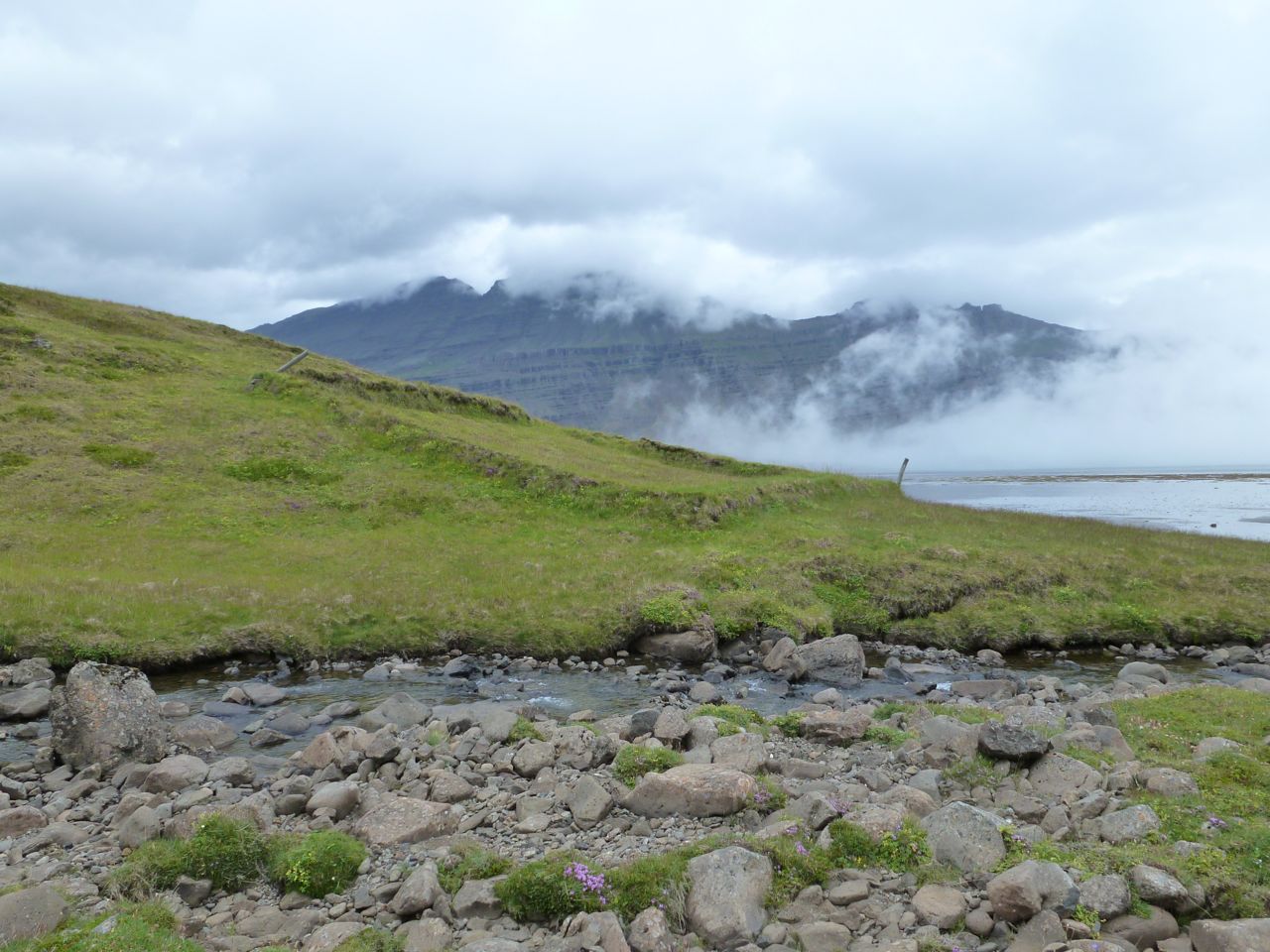
P1010427Streambed Near Njardhvik

3. And certainly it’s no great sacrifice to hold to good taste and respect in all things.

Translation: Just as with the sacrifice of Christ, good taste and respect (based on an underlying devotion to God) are not sacrifices but a practical good in their own right. Life flows in patterns. On earth (that is to say on “Our Land”), one lives within them. Land is this shore of life, which other people call a planet, and which yet others call countries. “Our Land” is a changeable idea. It really means, “Who we are.” That’s not a modern idea.

stream2

Ryolite Streambed Near Njardhvik

4. And since the talk is about sacrifice, our land has at least fully earned that, and our joy at its beauty will never be complete until these issues are ordered in such a way that gives no more ground for reprimand.

Translation: Iceland has earned the sacrifice of human desire to its eternal forms; all those wishing to speak of sacrifice must learn to do so in a way consistent with the forms of the shore, in the way water finds its path through the grasses yet still moves with great power. Societies can be repurposed. Land cannot. Any attempts to do so will destroy the society of humans on earth. The joy of Icelanders at the beauty of those forms will not be complete until human temporal constructions are ordered in a way no longer out of touch with the streambeds of nature. The bonds between humans and God — a bond called “Our Land” — must be respected, not with words or ideas or customs, but with bodies and with rock. Only the people of a place can build there. All else will fail.bird

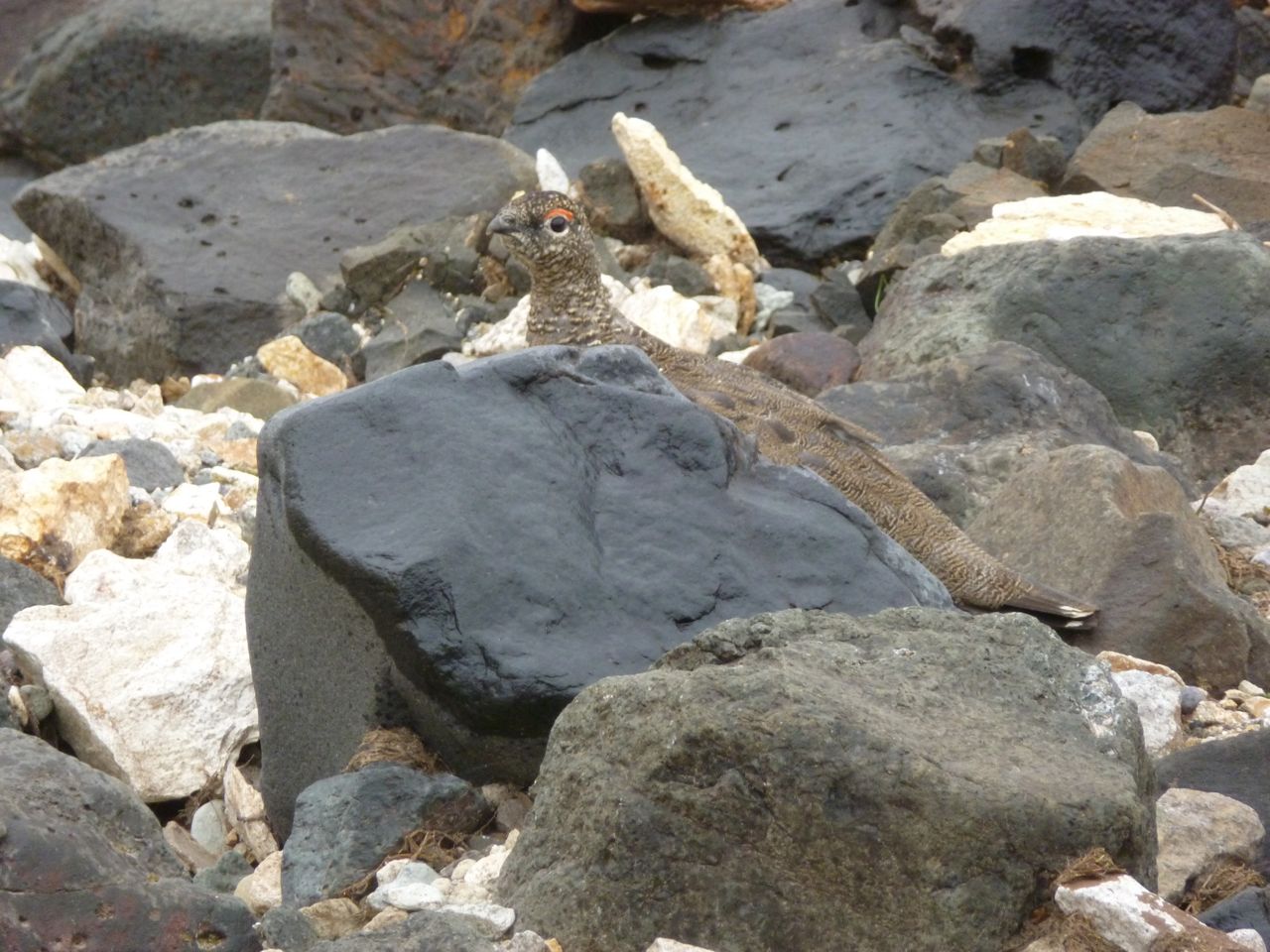
Ptarmigan Waiting for Me to Go Away

It’s a remarkable thing to say, especially to a country in the throes of praise for the sacrifice of thousands of its young men in capturing Poland to provide, in the language of the times, land for nordic people, especially when Finland is falling and talk of Scandinavia’s strategic importance is in the air. Invasion plans have already been drawn up, by both the British and the Germans. It’s an especially remarkable thing from a man like Gunnar, who spent decades advocating for a pan-Scandinavian state and who earned his income writing Scandinavian books for a German audience enamoured with the idea of becoming Scandinavian rather than Mediterranean. It’s an especially pointed statement to a Germany that has just united with Italy, on the Mediterranean, especially when Italy, Norway and Iceland are the three poles of the world given in Gunnar’s speech. Did I say ‘speech’? I meant sermon.

christ

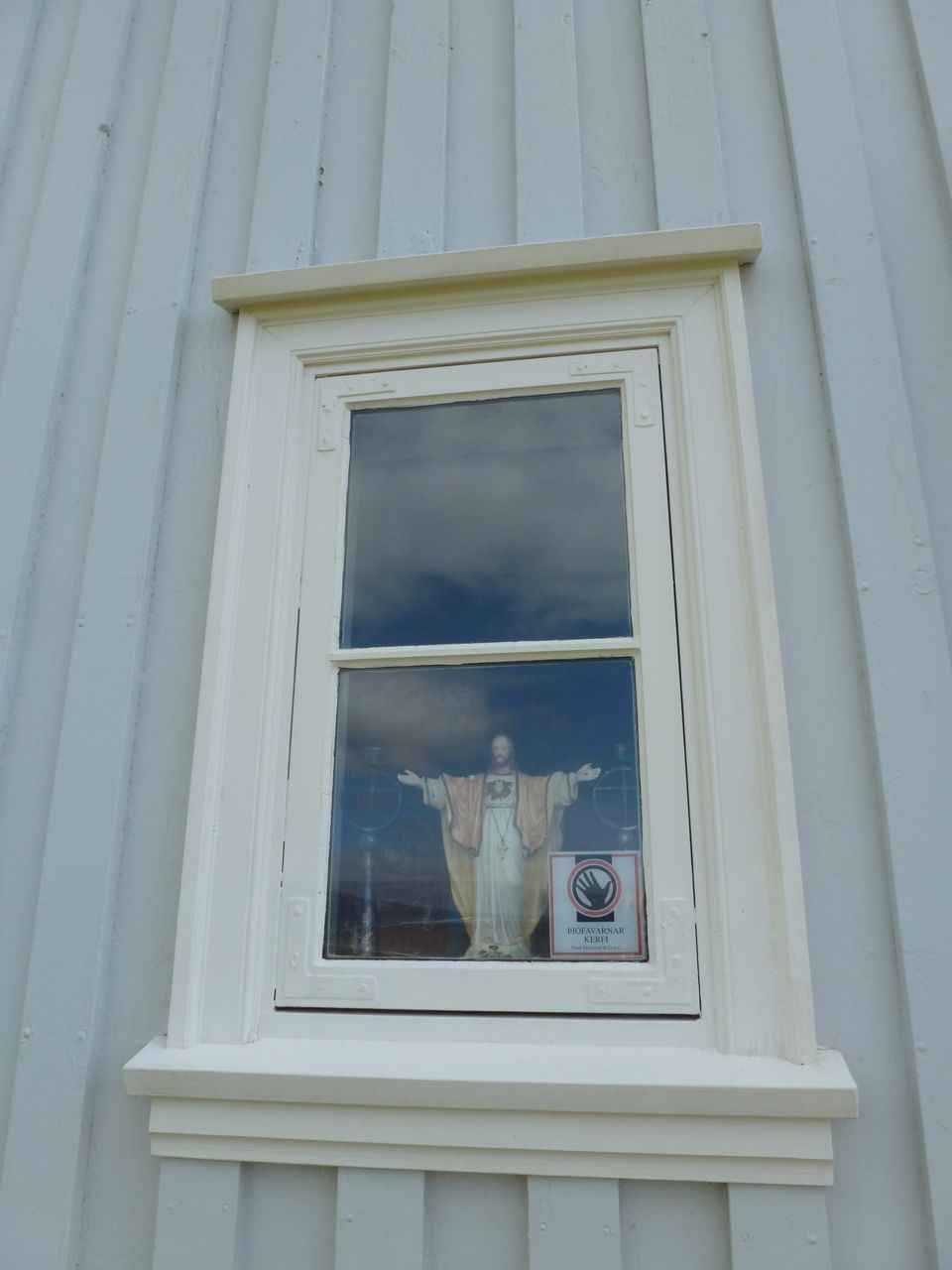
Two Security Systems Hard at Work and Ready to Embrace You. Strandakirkja

Choose the one that works for you.

Next: Gunnarsson as a Lutheran.