Category Archives: Art

The White Christ

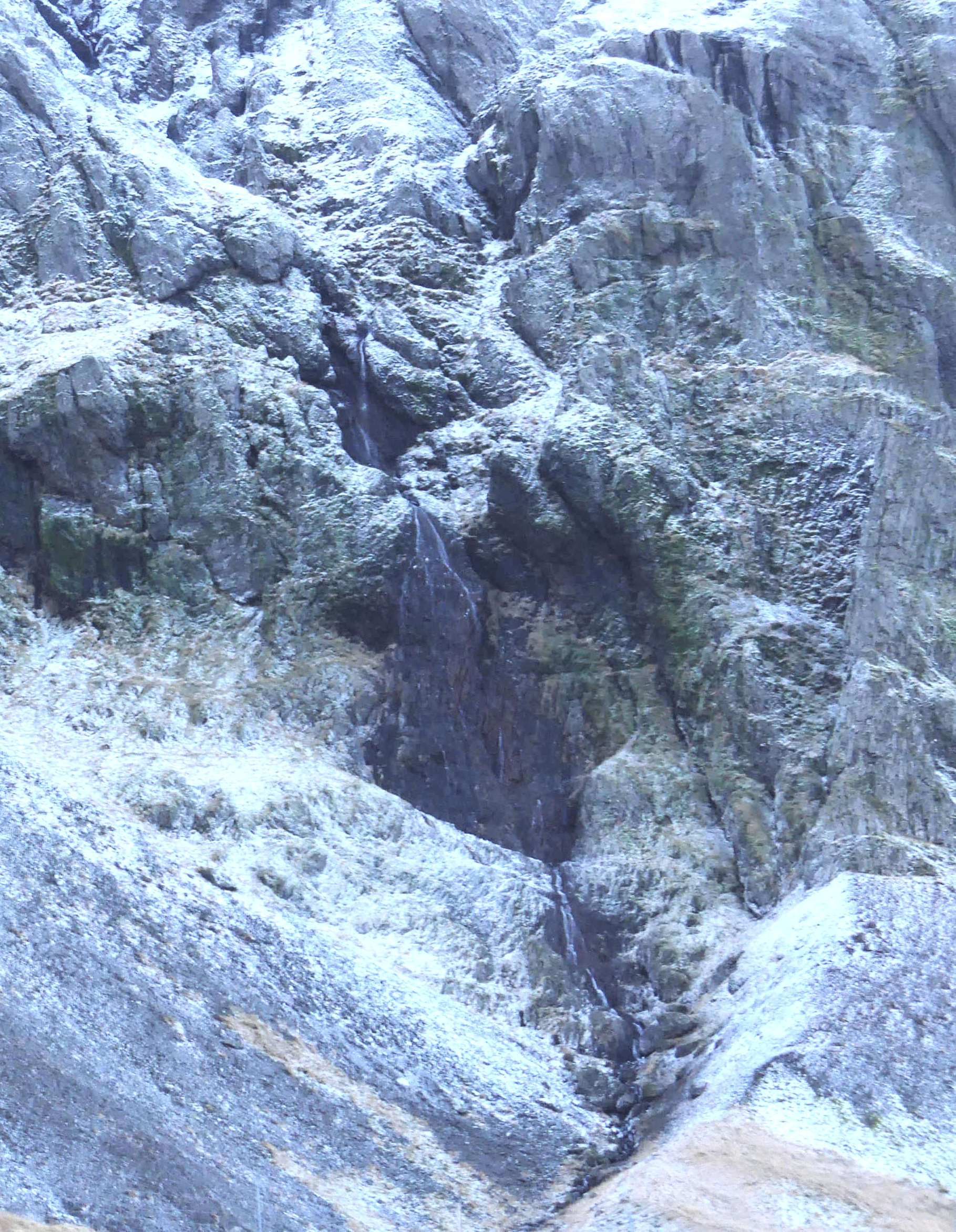
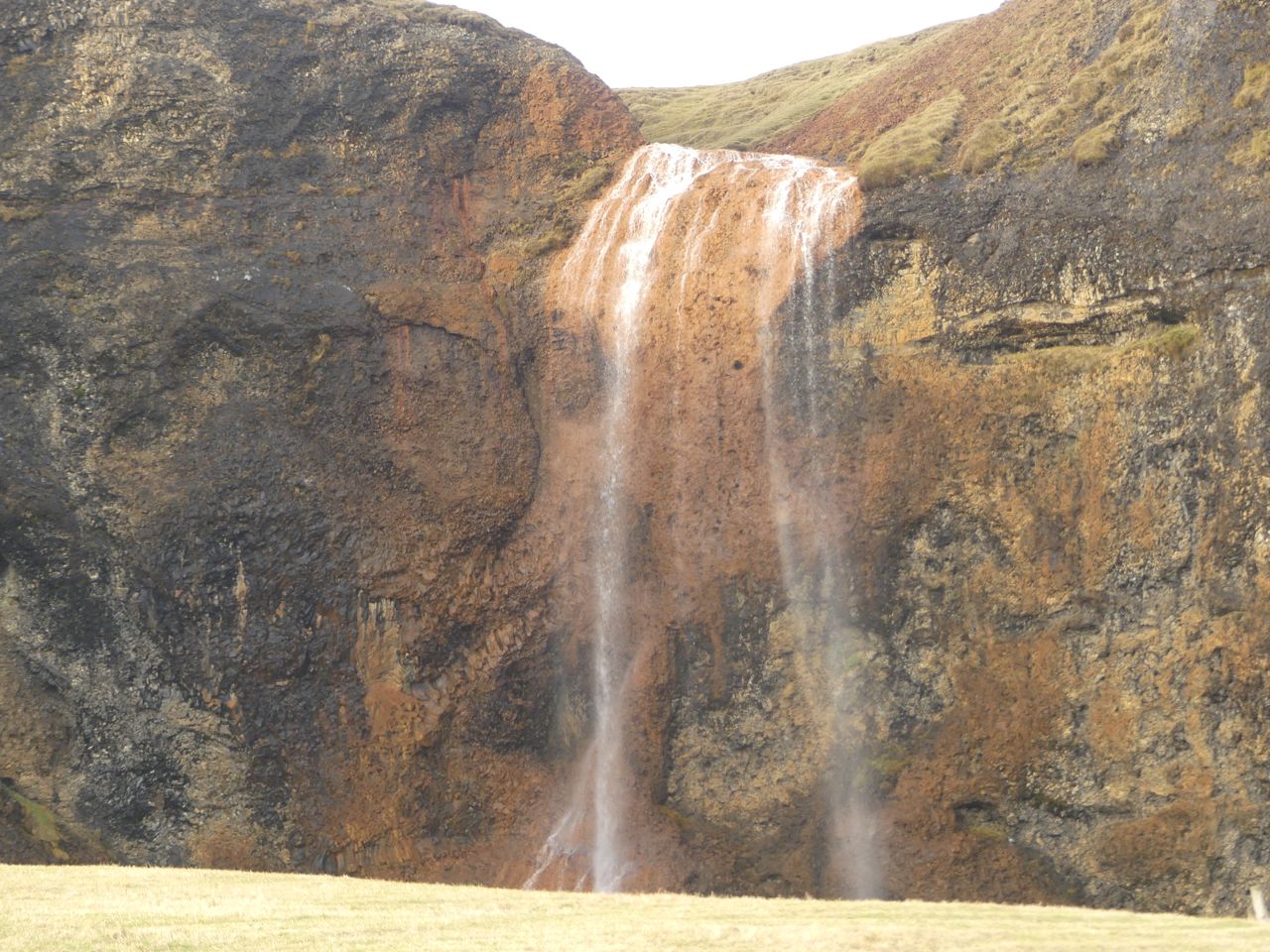
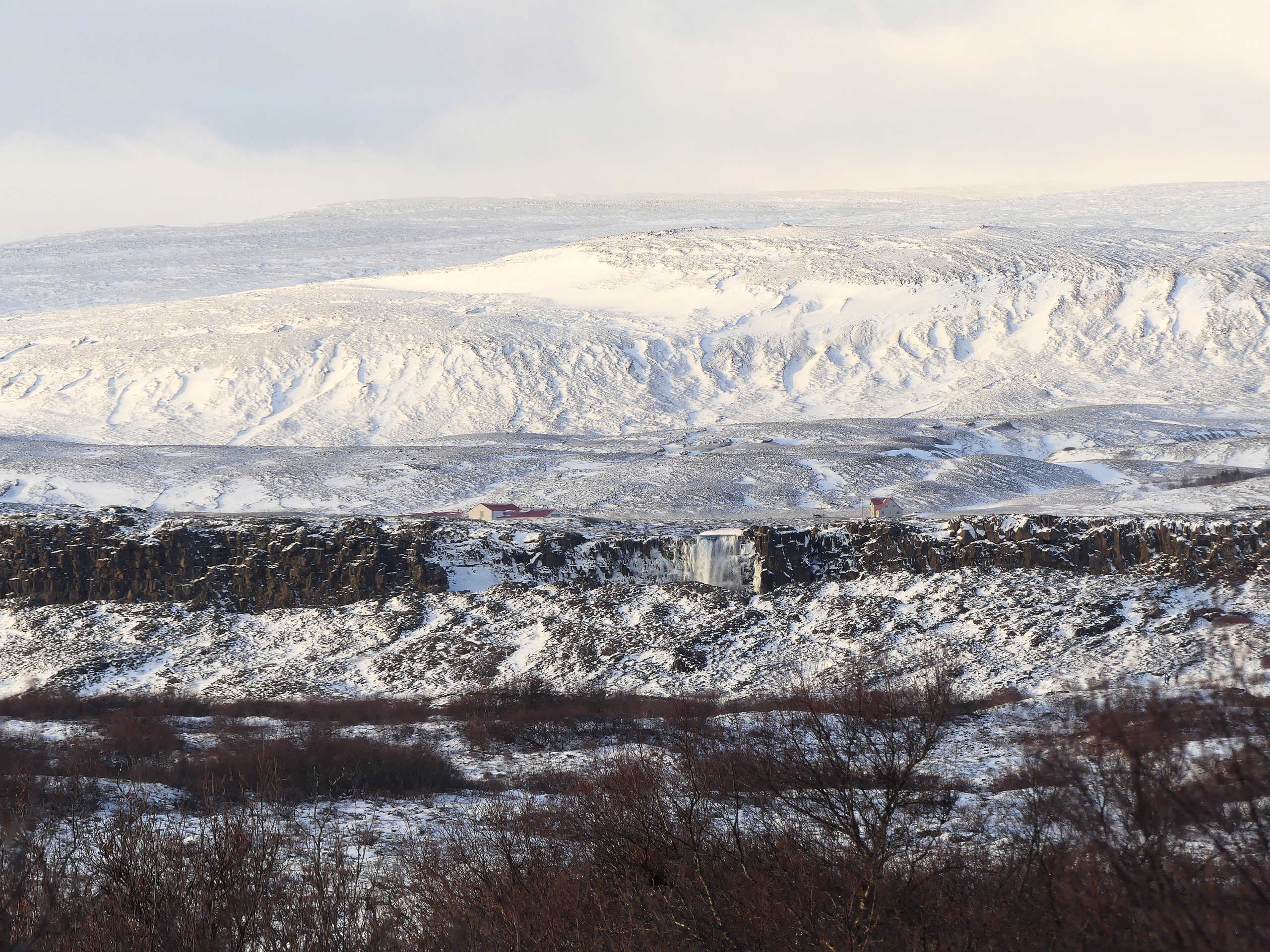
This is Öxarárfoss, diverted a thousand years ago off of  the Kerlingar Lava Field to bring water to the Alþing, or parliament, at þingvellir, the meeting wall.
p1400566

Here it is up close.

p1330577

Closer? Sure!

p1330570

I mention these famous falls because of Gunnar’s book Hvide Krist, or The White Christ. It appeared in 1934.

5342f

In 1935, it appeared in German, as Der Weiße Krist.
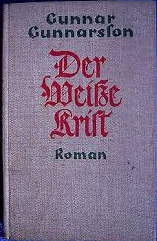
wk

This term, “The White Christ” doesn’t mean “Racially-white Christ” in nordic culture, although I suspect it was read that way in 1935 Germany, which was attempting to convert the Christian church to its racial programs. It is, actually, obscure. Some theories are that it’s a reference to the white baptismal robes that initiates had to wear in early Icelandic Catholicism, that it’s a reference to submission, a perception of a lack of manliness in the insistence of priests not to father children, and that it’s a reference to Christ’s Origin in the Mediterranean, the White Sea of the ancient cultures at the middle of the earth (Turkey and the Caucasus), who wandered north to become the scandinavians and which the viking founders of Iceland would have known well. Here is the ancient Turkish compassflag
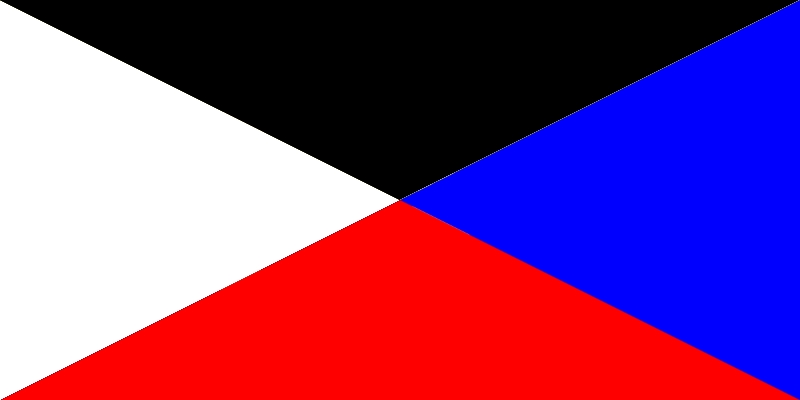
In this conception, the Red Sea is to the South, the Black Sea is to the North, the White Sea (the mediterranean) is to the West, and the blue waters of the Caspian Sea to the East. The map comes into even better focus when overlaid over Jerusalem:

seas

This is the compass. Christ is the eastern direction, towards the rising sun. Now, with that in mind, let’s look again at the Meeting Wall and its waterfall.

p1400566

From the blood of the birches, bleeding out of the earth, the landscape rises to white heights in the east. The falls are in balance, in the centre. The white mountains can also be viewed as purity, ascension to Heaven, wisdom, or the bald head of an old man, who also signifies wisdom, but that’s likely a stretch. The red blood …

p1340558

Hvalfjörður

…can be seen as both Christ’s sacrifice and the blood law of the pagans who shared early Iceland with its early Christians. A balance was found at the Alþing of 999-1000; Christianity was adopted, to end vicious, counter-productive blood feuds; paganism was permitted, but not in public. In other words, the Church became the public face of the state; what happened in a man’s house or his heart was his own affair. This dual nature of the country was rearranged violently over the centuries, but that’s another story. In this one, one more issue is important. It’s this:
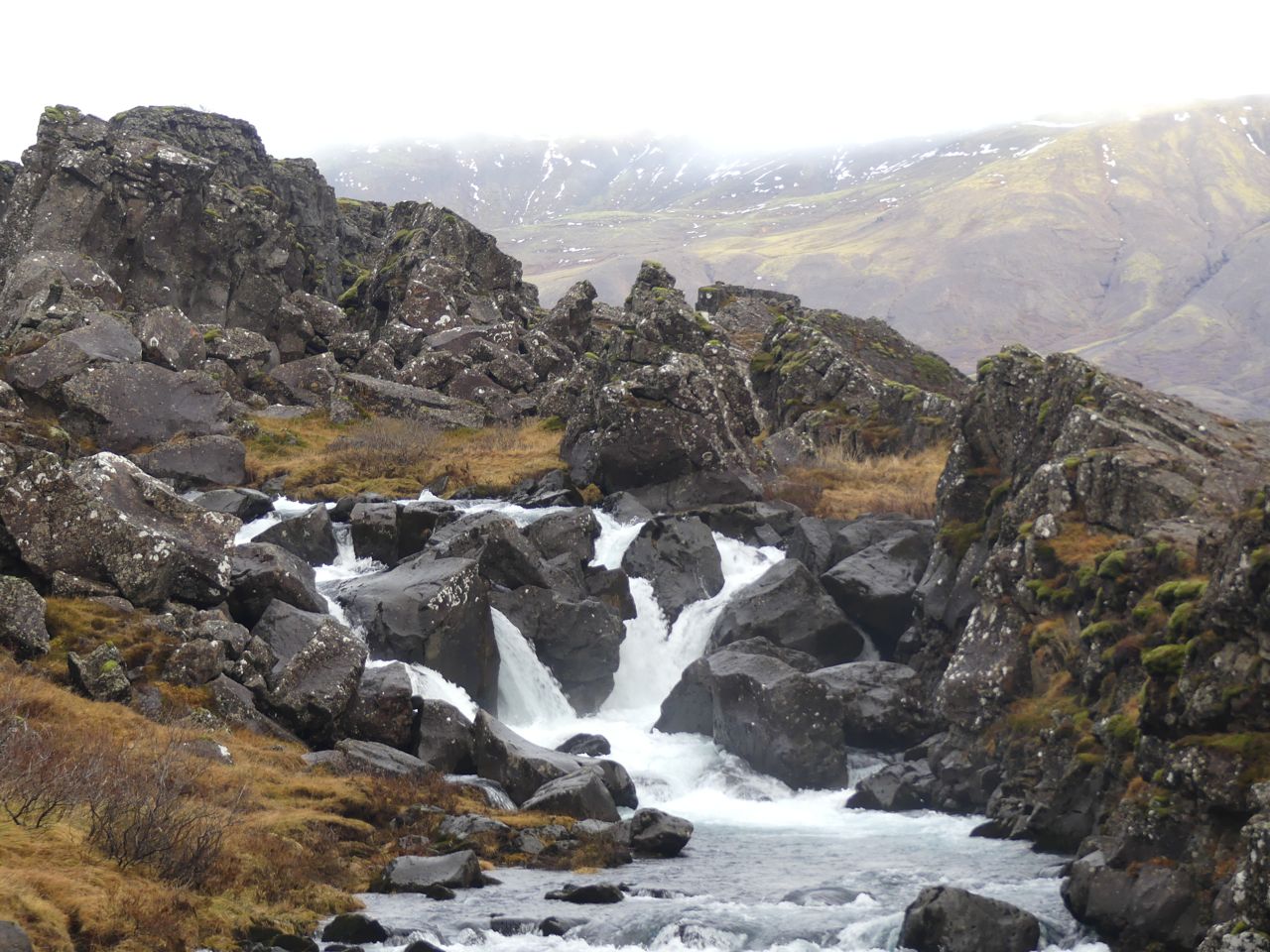
p1330532

This is the Oxá, the Ox River, after it breaches the upper rift of the Alþing and enters the parliamentary centre proper. It was here that in the violent history of Iceland’s colonialization witches were drowned and criminals were beheaded, right here…p1330534
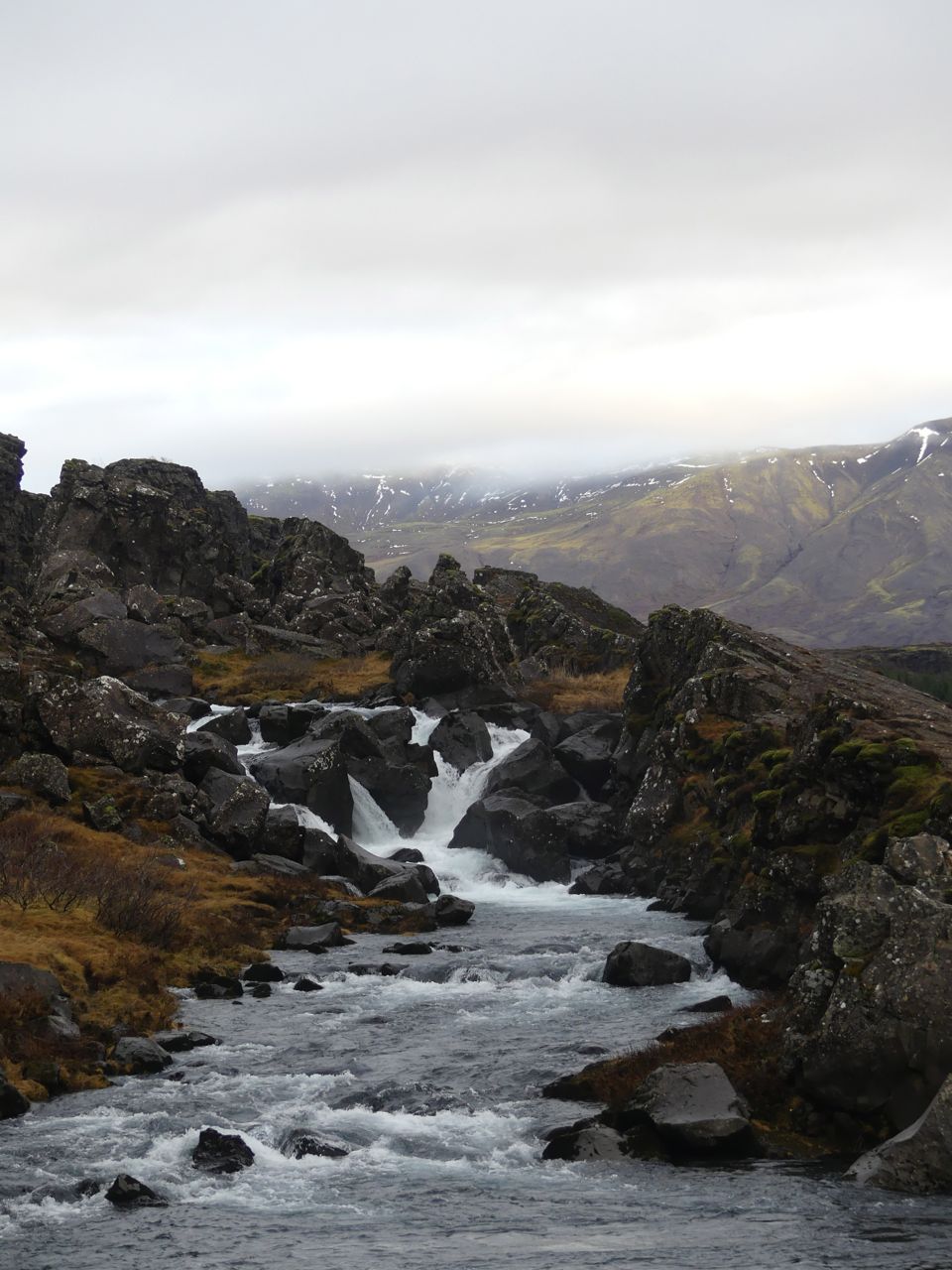
… right where the white blood of the glaciers enters Christian law before spilling out onto a plain of blood. An accident? I hardly think so. So, what was Gunnar up to in this book published by the Propaganda Ministry of the Third Reich?der-weise-krist-von-gunnar-gunnarsson-1935


Just telling a Christian story in early iceland? Giving a warning that could be read any way his readers wanted? As a parable of a populist Lutheran belief in a satanic pope at the head of a bloody church, the roman emperor himself and thus the man who threw Christians to lions for sport? As a warning about the dangers of assuming a messianic role, and the blood that would follow? All of them? None? Some for the Germans perhaps, even if not for Gunnar?
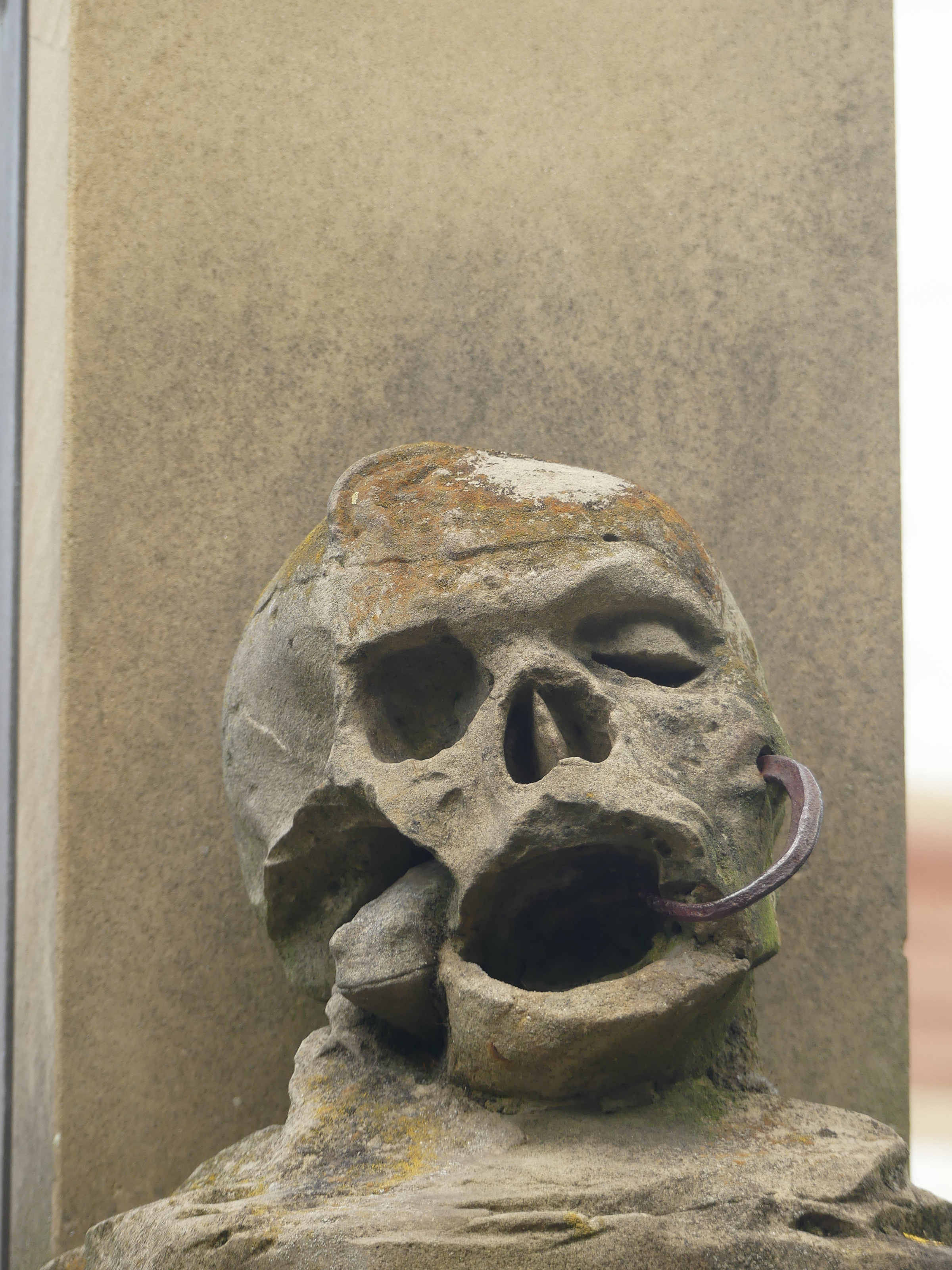
p1290495

Grave Figure, Freiburg, Germany

The Christian Philosopher Martin Heidegger was running the ancient university of Freiburg for the Nazis in that year. He would have known this sculpture well. It wasn’t a year for staying on the sidelines.

1934 was the year that the Third Reich, under its ‘messiah’ Adolf Hitler, who believed in blood as a mystical force, attempted to unify Nazism and Christianity under a nationalist banner: truly a Western and not an Eastern anti-Christ. Only a close reading of Gunnar’s book will unpack Gunnar’s method. Until I get to that, here’s the Christ who glances to the east at death, and, just out the window behind me as I took this image, Gunnar’s grave on Viðey.

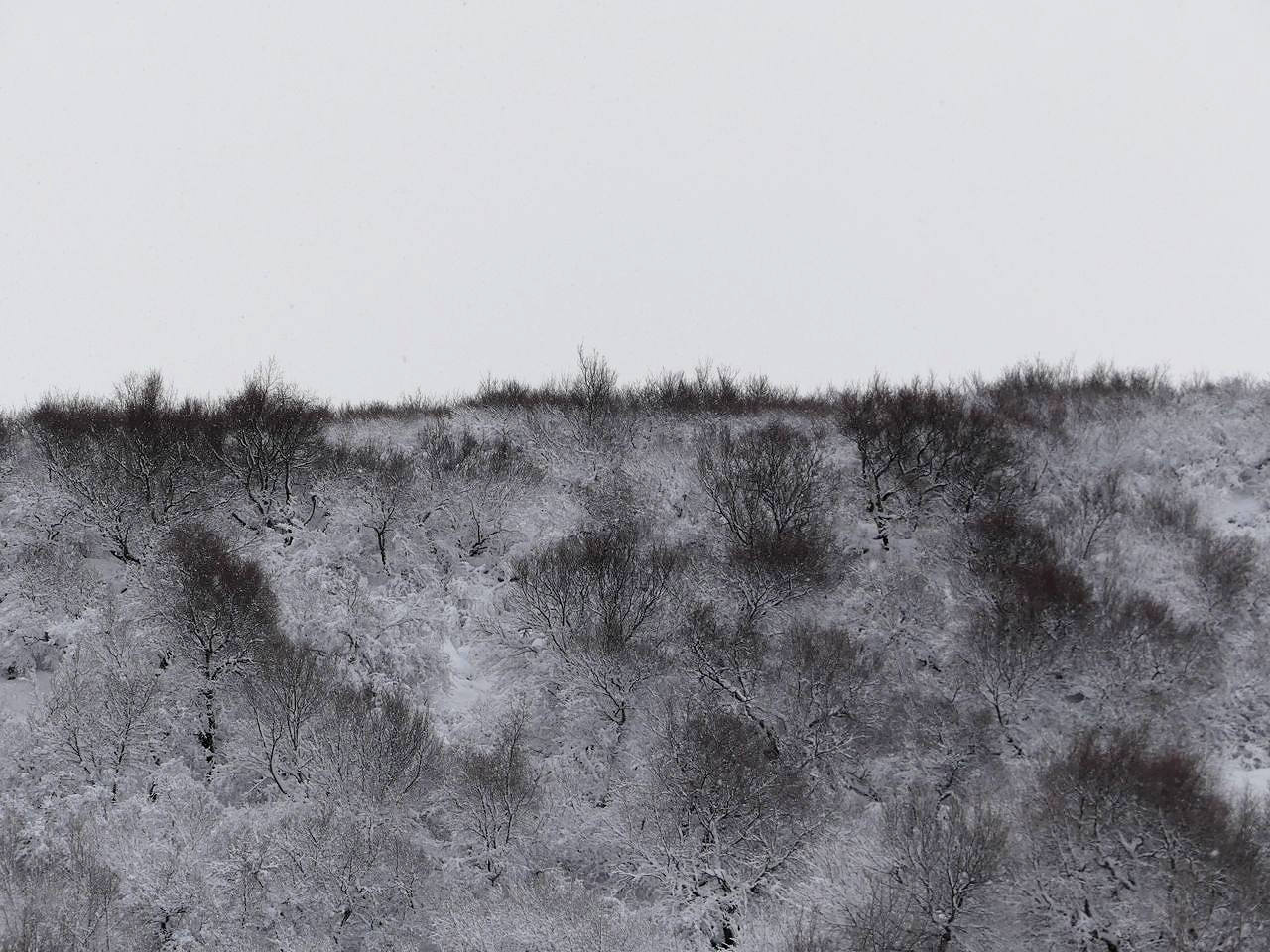
p1340064Has this figure been whitewashed? I leave you with this contemplation of the point at which Christianity and the land meet. Is this not, in a land-sense, the cross?
p1400566

The Ogre of Dritvik is Still Waiting

The sun goes up and down, we’ve had a sandwich or two, storms have come in and out, but the Ogre of Dritvik is still out there. She never stops waiting.

p1350987

This energy that has been frozen in stone has more than human endurance, even though it is human observation that gives it bodily life. Here are the bits of her that time has worn away:

pebbles

That is pure Ogre, that is. It squeaks under your feet, calling out its name: “Pebble.” You can pick it up in your hand. Suddenly you are holding stillness. The whole energy of the volcano that made this coast is in your hand. Will you throw it out to sea? Will you hold it? Will you set it down? In this moment of stillness you become the world. The question all of us who have touched her ask is: What then?

friend

It’s a good thing we’re not alone in the rain as we try to figure it out, because that might, ultimately, be the answer.

wetpair

Don’t be alone in the rain.

lone

What are we waiting for?


Moods of Light in Iceland and Canada

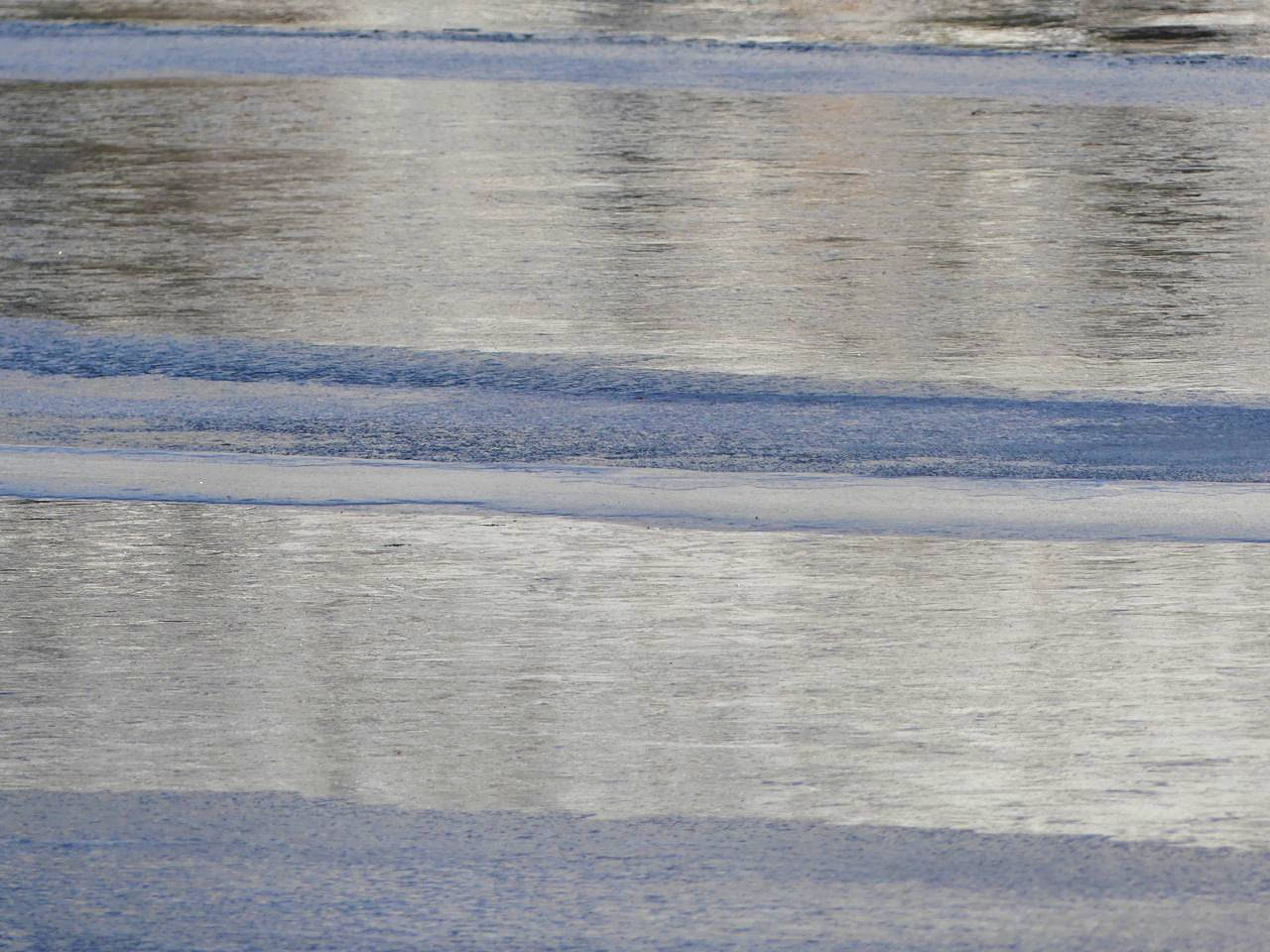
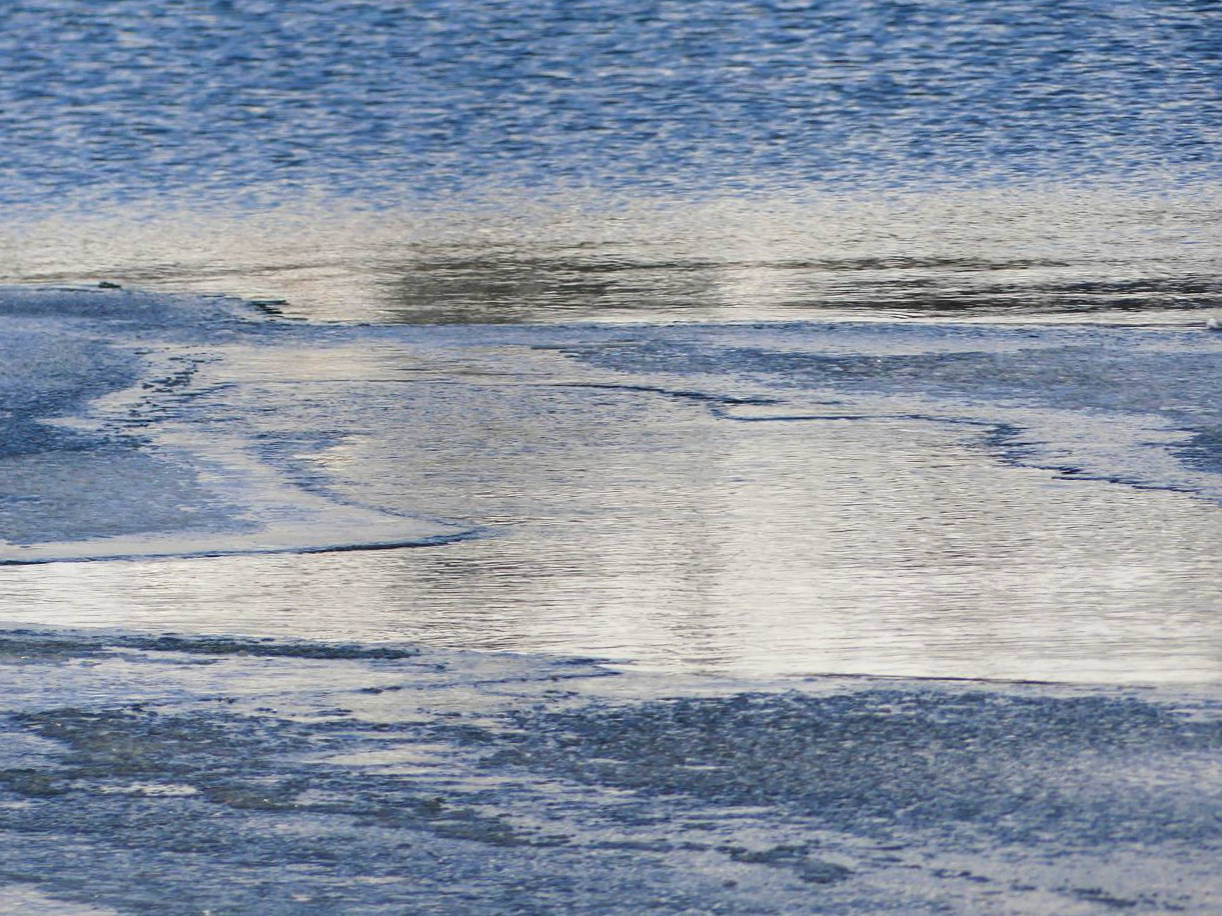
What if the Earth were a sphere, continually focussing the sun into moods of light, like these in Breiðafjörður in November, with a very low solar angle…borgarfjordurwater

… or these in Okanagan Lake, between the Rocky Mountains and the Coast Mountains on the North Eastern Pacific Shore, in December (today!)?p1420577

To know how the planet was feeling, we would need to gather information globally and integrate it into a unified image.p1420581

With arts and sciences of dissection, we wind up talking about the arts and science of dissection, which does the planet no good at all, nor us. Let’s not forget the Icelandic sculptor Ásmundur Sveinsson, who saw his task as reducing the complexity of surfaces to elements the eye could see before the mind, and then the construction of technologies that the eye, not the mind, could think with. Things like this:

p1400680

Of course, he kept the mind busy at the same time, which is always polite. Following his principle, are two eye-poems for your eye, which I showed you yesterday. They are not word poems:

p1320741 p1320725

Jökullsárlón

And because we are hospitable here and like company, here’s something for your mind. It is not an eye poem.p1320233

Kirkjubærjarklausstur

Book poems and mind poems are different things again. Poetry, though, ah, that’s a thing of the world.

p1320175

Kirkjubærjarklausstur

It is our home, but would we not be blind to call it our own? Let us just give praise.

p1320249

Kirkjubærjarklausstur

And thanks.p1390341

Breiðafjörður

And help with the braiding …

vatn

Solheimajökull

… and the weaving of the fibres of this poem …

p1420619

Rushes in Lower BX Creek, Okanagan Lake

… together.

Reading Iceland

Here are some poems that the land wrote.
p1320798
The land reads them, too.
p1320725

Even the sun reads them.

p1320728

It helps with the writing as well.

p1320724

It is best to consider reading and writing as the same act.

p1320749

They happen simultaneously.

p1320734


You have the capacity to read along.

p1320728

You could call it a map, if you like, for a voyage.p1320732

There and back again.
p1320804


Jökulsárlón

Now for a novel.

svartiSvartifoss


Folk Dancing in Iceland (It’s not what you think.)

You don’t need an expensive camera in Iceland. The sun is so low to the horizon that the atmosphere becomes your lens.

p1310321What you need to do is to place yourself in its way.

vatnAnd in its focal field.

hollForget the telephoto lens and the filters and your bag of tech. You don’t have time for that.

p1370707And don’t be mesmerized by your journey.

p1310957The sun and the earth and the air and space between them is your journey. p1380099The mountains focus this light too.

p1380192So do you.

cover12What else did you think you were on this earth for?

cover22Ah, the Northern Lights.

P1400548 Well, it doesn’t matter. Iceland will focus you with its lens. p1380121Just wait.

p1370255 Be ready at any moment. This is not your journey.

p1390341This is the planet’s dance with the sun.

p1400187You are this planet dancing.

Skjald, Poet and Dichter: the Three Smiths

Poet: A smith who works with words and the spirit that attaches to them and flows through them between humans and the world. Often, poets approach this work from a book tradition. When they do, their real audience is either the book they write for and which readers read to see how the completion of this book is getting along or the readers who approach the intersection of the book and its society with the same reverence. Within such cultures, a poet is often seen romantically, as a worker with one of the decorative arts.

p1390640A Poetic Interpretation of Egil Writing His First Verses at Age Three

Borgarnes, Iceland

By book, I mean the book that duplicates the world. Some cultures call that the Bible. Some the Koran. Others the Periodic Table of the Elements. Some might call it a Doppelgänger, a mysterious double. It is so powerful, it can even look like these birch twigs. In this manner of thinking, they are considered to be natural and living in a state called “nature”. This state is the book.

p1390739Yes, You Too Can Read These Twigs

Dichter: a smith who works with Dicht, the thickening of the world into densities of intelligence, distinct from poet by a desire to create unified points of power rather than large tapestries. This is an art form in the German-speaking world, and represents the grammatical structure of the German language, which looks for unity where English looks for precise difference. Where a poet, in service of the Book, might look for a world of nature, that came before the book, and called it a (primary) world, with the emphasis on an abstract category, a dichter would look for an Urwelt, a root-world, which is distinct from a world but contains the time that opened up into a world. This slight difference is profound, and leads to the image below being seen complete in all the time in the world, and before language. It is a thickening, a dicht, out of which language evolves, right now, in all of its time:

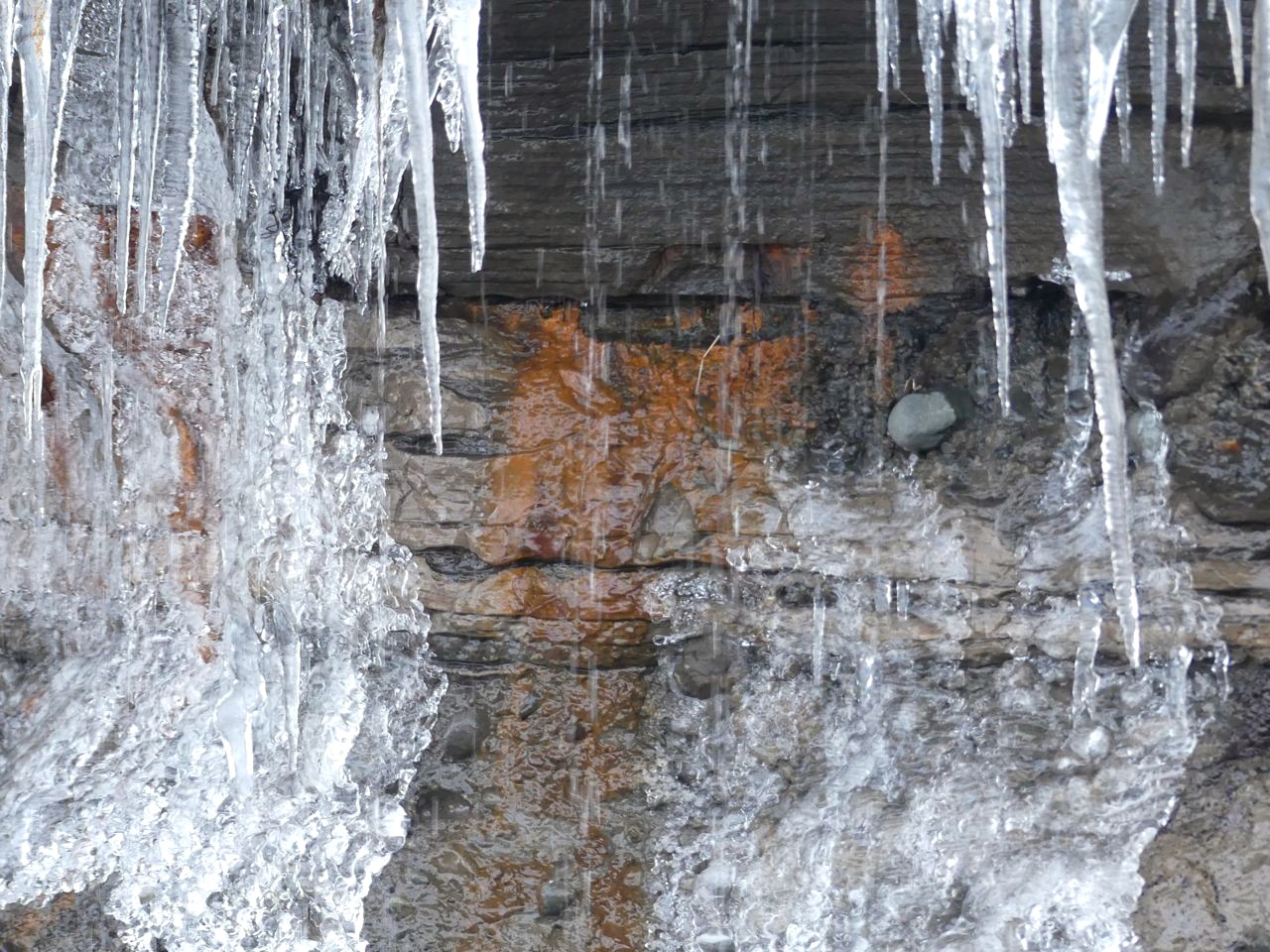
p1390754Skjald: a smith who works with social relationships within the world that contains both poets and dichters, and for whom the world is one of the social players. This is a northern concept, from the old iron age cultures of Scandinavia. Typically, a skjald (as the name suggests) is a shield, a scold, a scalder (the contemporary expression is a roast-er, one who sends up a revered figure in an honouring ceremony that doesn’t hold its punches), a kind of Nordic court jester who praised a god, king or chieftain in rhymed, witty verses several layers deep in riddles or riddle-like tricks of language as ornate as the intertwined patterns of serpents on a viking shield or the infolded edges of language in a viking curse. The result: a scolded, or scalded, king, chieftain or god, as red in the face as a lobster or a berserker about to do battle — except with anger deflected by wit and turned instead to social good. The contemporary translation for skjald is “poet.”  I think it’s better to keep the triad of terms alive: poet, dichter, and skjald. They do similar but different work, and it’s useful to keep them clear. Neither the work of the poet or the dichter precisely describes the work of a skjald. The image below, however, is close. The image shows the spirits of a small waterfall in Iceland.

p1390972This is skjald work, because it is deeply layered, in ways which combine the world and the acts of men and gods into a tapestry of the mind, which can’t be unravelled, nor should be. Instead, the connections, especially the complexity, duplication and patterning of the connections, and the challenge it proposes to the human ego, is exactly the point: connections rather than distinctions. Is that a red demon in the centre?  Is it the god Oðin, with his missing eye wandering off to his left? Is the red figure behind the ice to the left of the image man or beast? Or the white ones in the ice? They are all imaginary, of course, but this imaginary projection, woven with history, society, science, the earth, psychology and spirit, and the challenge it proposes to dominant world views, is exactly the work of a skjald. Now, let me show you something a little closer to poetry, to help draw this discussion closer to its centre. In the first image below, the trinity is represented in some contemporary norse knotwork. Note the interwined, yet closed nature of the flowering of the pattern as it moves through the world. A skjald wrote verses as interlocked as this.

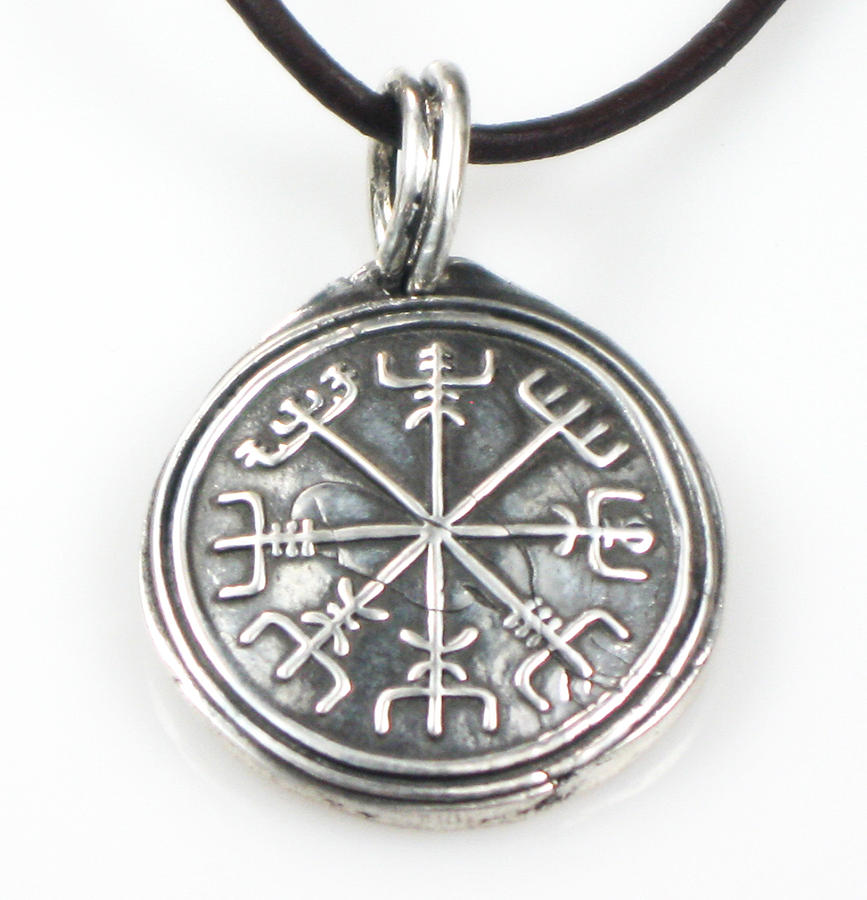
new-triquetra-trinity-a-knot-pagan-norse-viking-silver-pewter-pendant-amuletIn my second example (in the image below) a contemporary Icelandic charm or curse, based on a medieval model displays interwining ropes, knots and lines of energy tied to the world with many different lines of approach, all of which are closed off to entry from outside spirits by crosses, or curses. This is the other side of a skjald’s work: a skjald helped to direct the king’s policy, but he had to be sly about it.

norse-viking-nautical-compass-talisman-fine-silver-esprit-mystiqueTraditionally, a skjald could say things that would lead to the death of anyone else, and so guide a king, when he was not in the mood for counsel, or deflect the build-up of violence in a court disagreement by leading it into laughter or finding layers of pride within layers of shame, or any other complex, interwoven knot. All in all, a skjald was a shield for the king, and so had the rights of a shield: to be first in battle and to always be at the king’s side, with an honour matched only by the sword or the hammer, the weapons of the king’s other hand. Gunnar Gunnarsson, who wrote two early books of poems and many novels, made it clear that he was a skjald. Note his clenched lips. He’s not talking.

P1530057It would be a mistake to read him as an epic poet, or even a novelist, even though he wrote few poems and many novels. Those novels are strange, though, and that’s the thing: they are deeply layered, deeply entangled with history, and challenged standard ways of thinking about identity and politics by talking in the code we recognize today as poetry. What’s more, most of these novels were published in huge editions by the Propaganda Ministry of the Third Reich. Many, with their tales of idealized, heroic farmers in Iceland were sent to the Russian Front to stiffen up the resolve of young men to fight the Russians and to prepare them to bring Scandinavia into the Reich. As the war progressed and the Scandinavian program and victory became impossible, dissidents working in the Propaganda Ministry continued to publish these novels, to show young men how to come back home after violence. Those are pretty amazingly contradictory roles for any set of novels, or for any writer. Only a skjald could pull that off. Unfortunately, this story has largely been missed in Gunnar Gunnarsson’s work, because the literary culture that received these books read them as literary works. They’re not. Put it this way: in the spirit of Gunnar, the following image is neither art nor nature:

p1390934What it is, exactly, apart from grass, moss and birch twigs in the spray from a waterfall, is the question we must all answer as we work towards coming home. There is, however, one clue in the world:

p1370751The world has pattern, it is physical, and it contains pairs of males and females, who come together to form something else: a family, as with the swans above, or, what this family expresses, a coming together that forms a centre to the world. When those young swans leave this birth family to form families of their own, it’s not the leaving that is central to them, but the reforming. In a culture with its roots in the iron age, this reforming is done in fire, heat and violence, beaten into linked shape by the skjald’s word-forge. In skjald work, that dynamism, and the relationship between its parts, is what it is to be human. Poetry and dicht come later to a skjald, just as dicht and skjald work come later to a poet and poetry and skjalding come later to a dichter. All three together, however, provide a full picture of the vital work they can do. Confusing the terms just muddies the waters.