Here’s a beach warning sign I found at Dritvik on June 21.

Note the life ring.
Go at low tide.

Just a thought.

Here’s a beach warning sign I found at Dritvik on June 21.
Note the life ring.
Go at low tide.
Just a thought.
It’s always a great day to walk out on the shore of the sea, where the seals and eiðars once swam. The sea might change its level, but that’s a bonus for us.
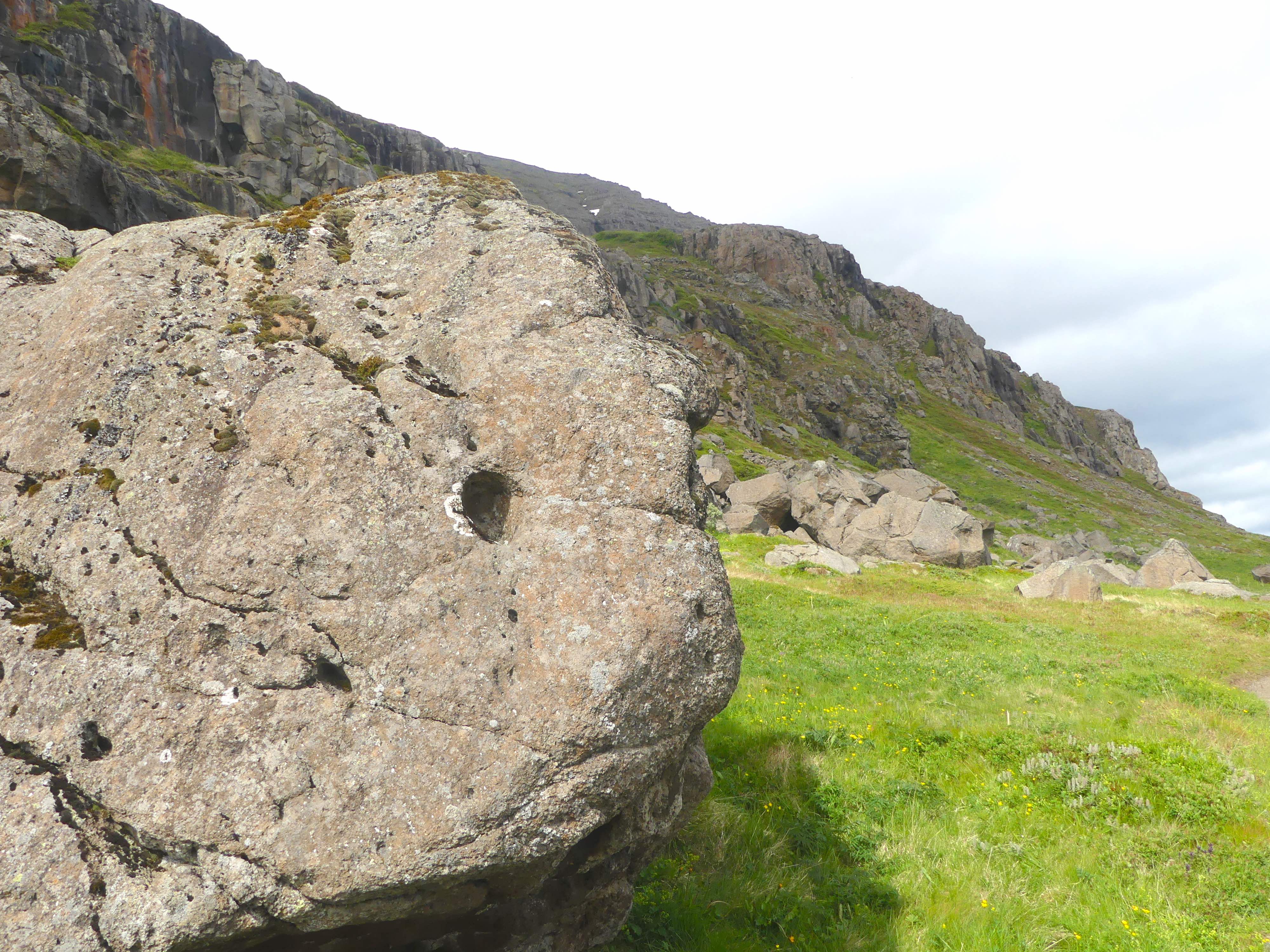 Neskaupstaðir
And the eiðars demonstrate just what it was like here long ago.
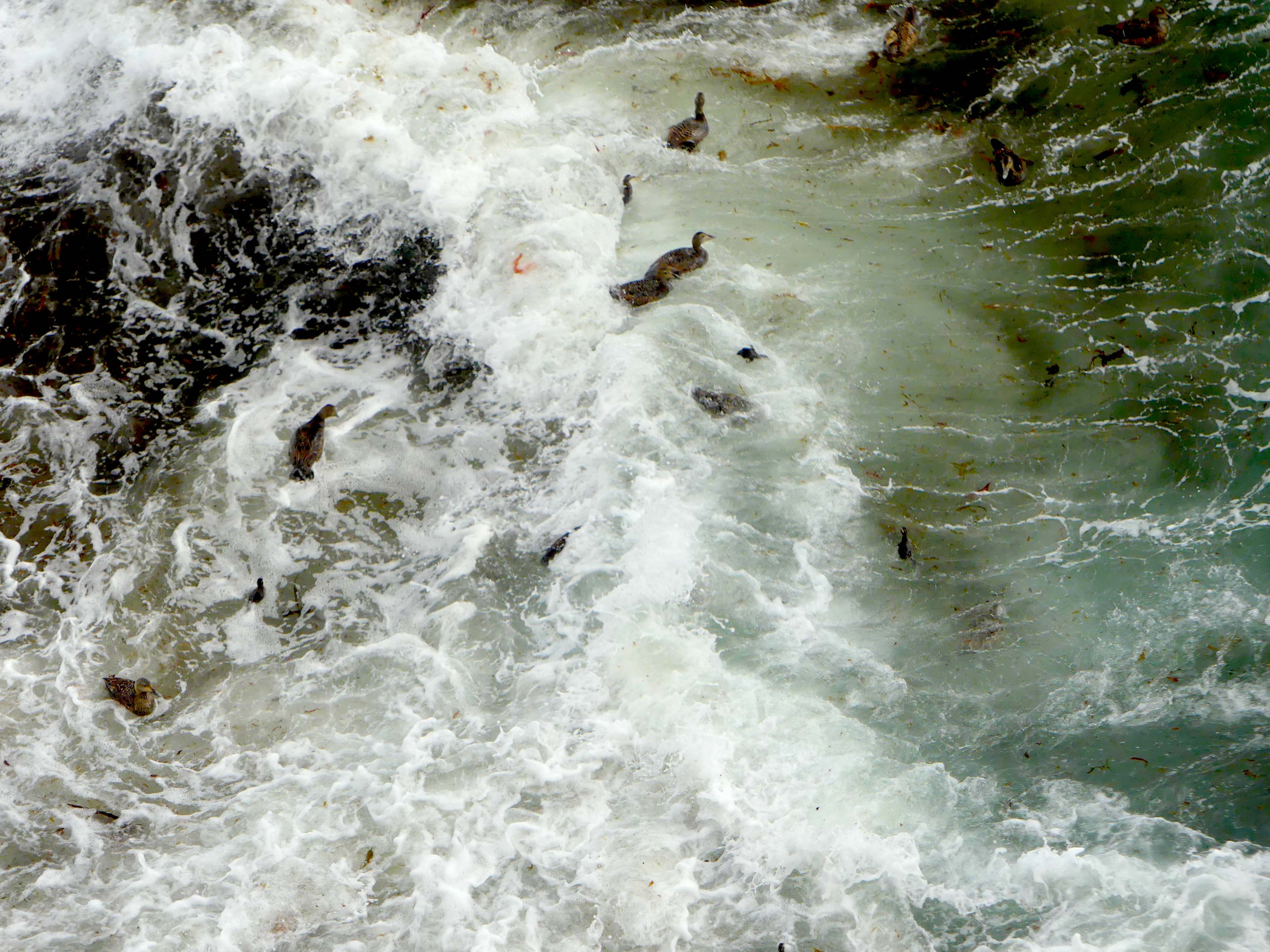
Easy does it!

Wildflowers taking the place of eiðars.
Iceland is a country best explored slowly, and on foot.
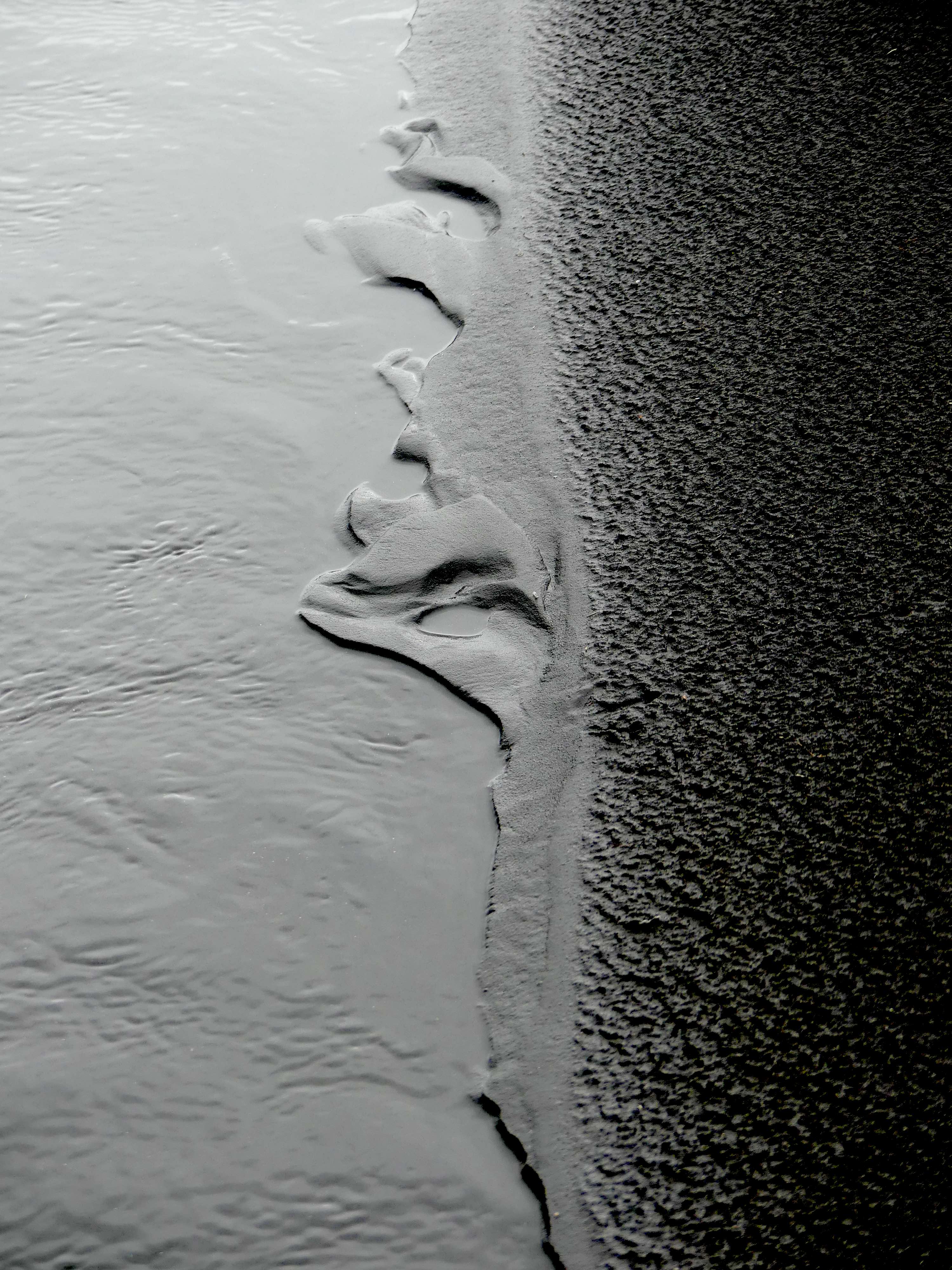
Krosshöfði
When it is called “a beautiful country,” it means that every step is beautiful. Easy does it.

It comes to life as you walk through it, changes you, and remains within you.
Out in the nature reserve in Neskaupstaðir (just go right to the end of town), the beach below the trail is gorgeous.

And alive with Eiðar ducks and their ducklings.

Surfing. Scrabbling in the backwash for good things to eat.
In a good wave, the ducklings get tossed a metre into the air, tumbled head to heels, then dragged a metre under water again, only to pop back out.
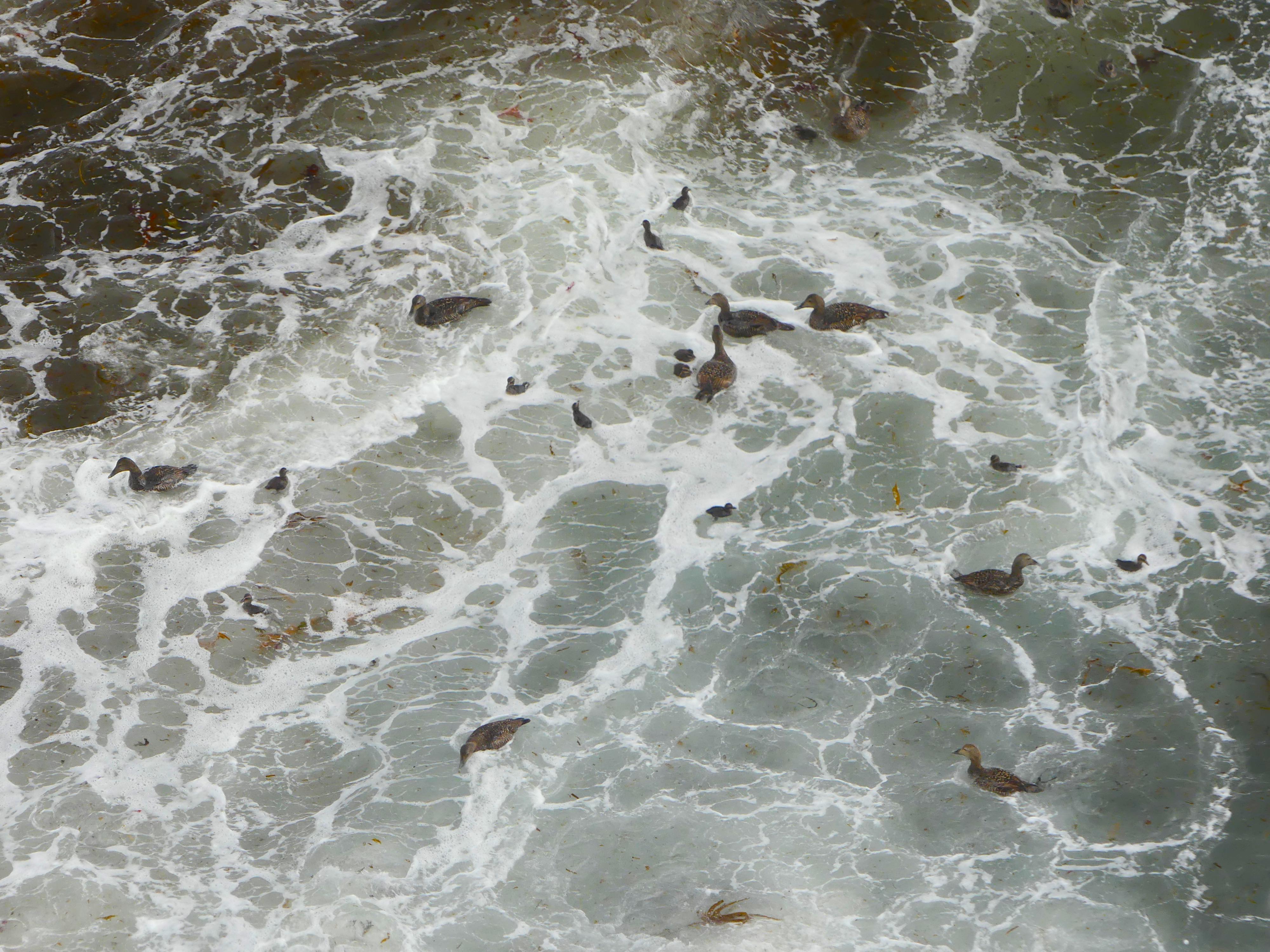
This is beautiful to watch. For the ducklings, it’s survival. When a skua comes to take one, the whole flock of ducks imitates this scramble. It’s life or death.

I’ll show you that scramble tomorrow.
One could be forgiven for calling the place Atlantis.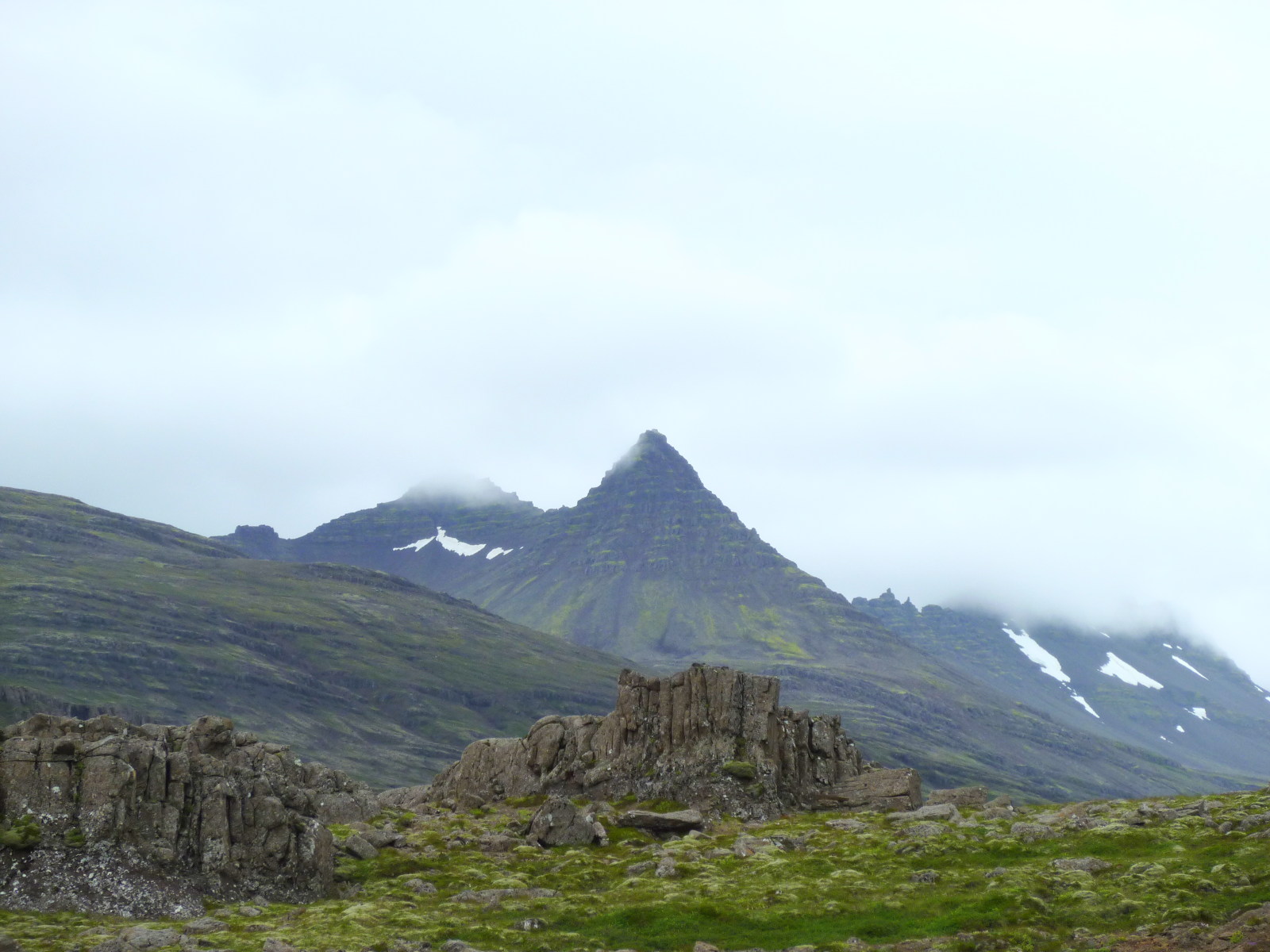
As Gunnar (who was from the East) did.

It is easy…
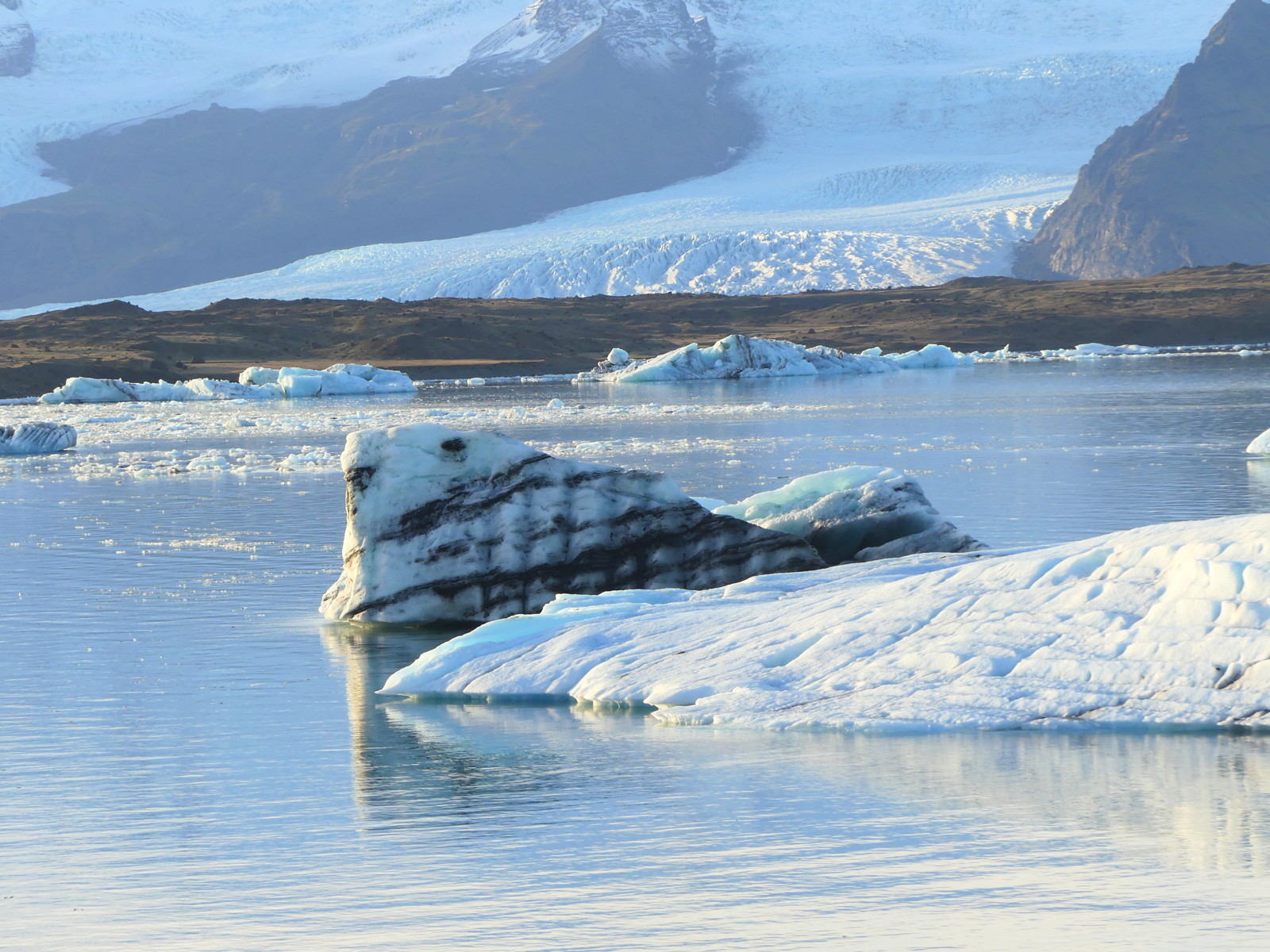
… to be distracted …

…by ice …

… and its romantic stories of loss and the fleeting nature of experience…
… and to miss the light …
… and the darkness …

… together …

… in the eye.
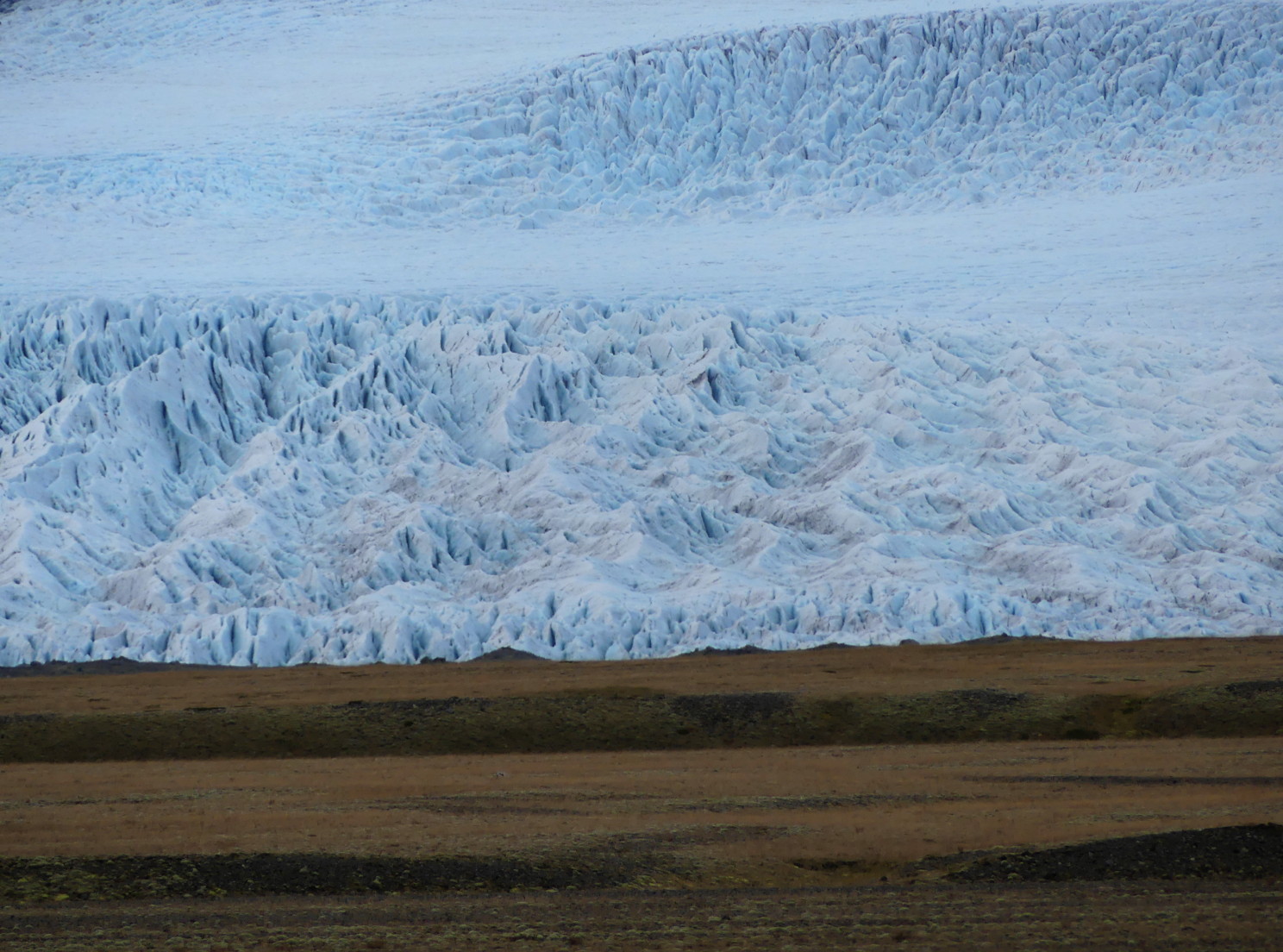
Glaciers come from another world.

It is a world of light.
~
Jokulsárlón and Skaftafell
Sideways, so sly?

Or head on, so bold?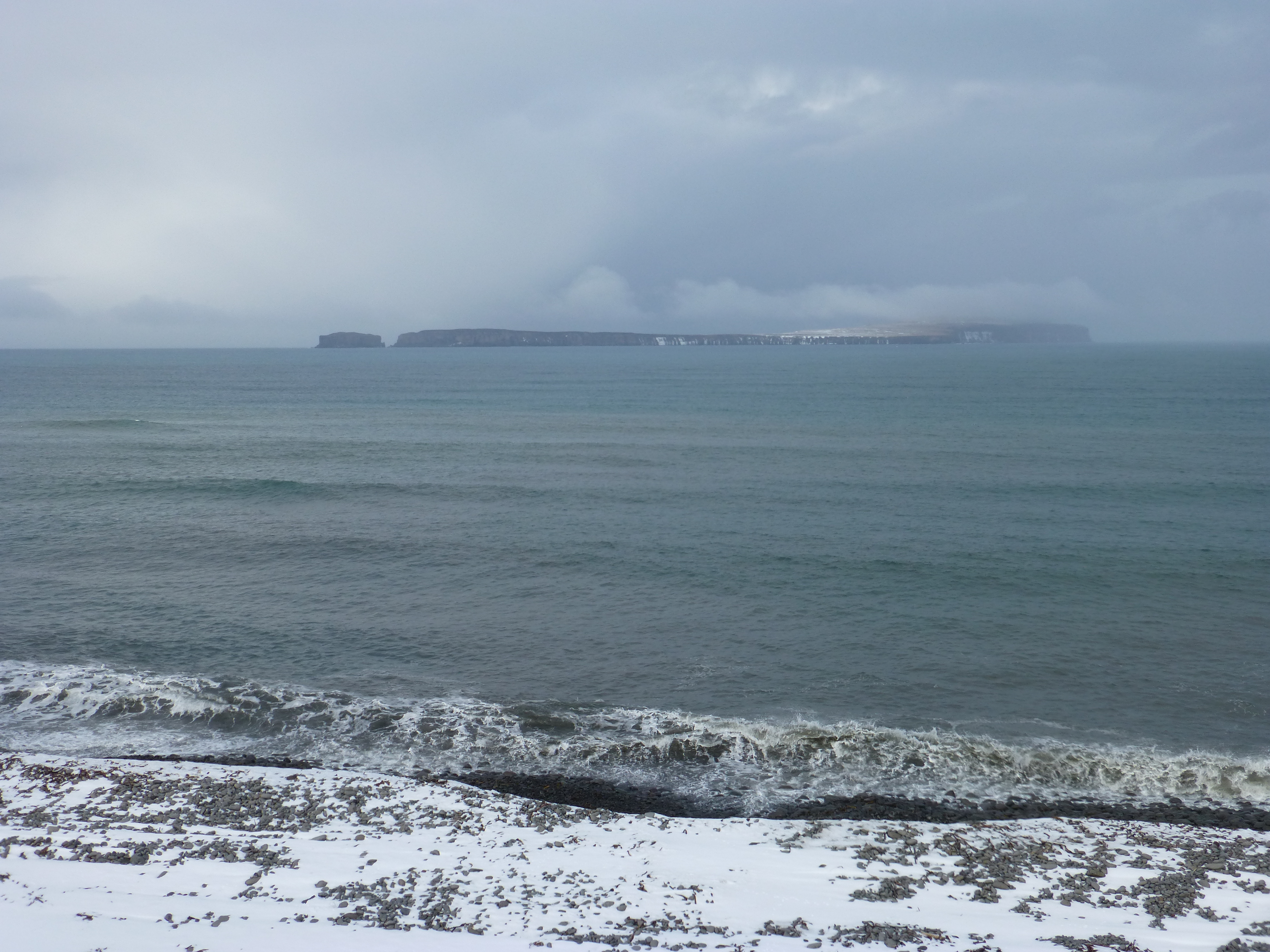
With a house for company?

With a fence for (ha ha) protection?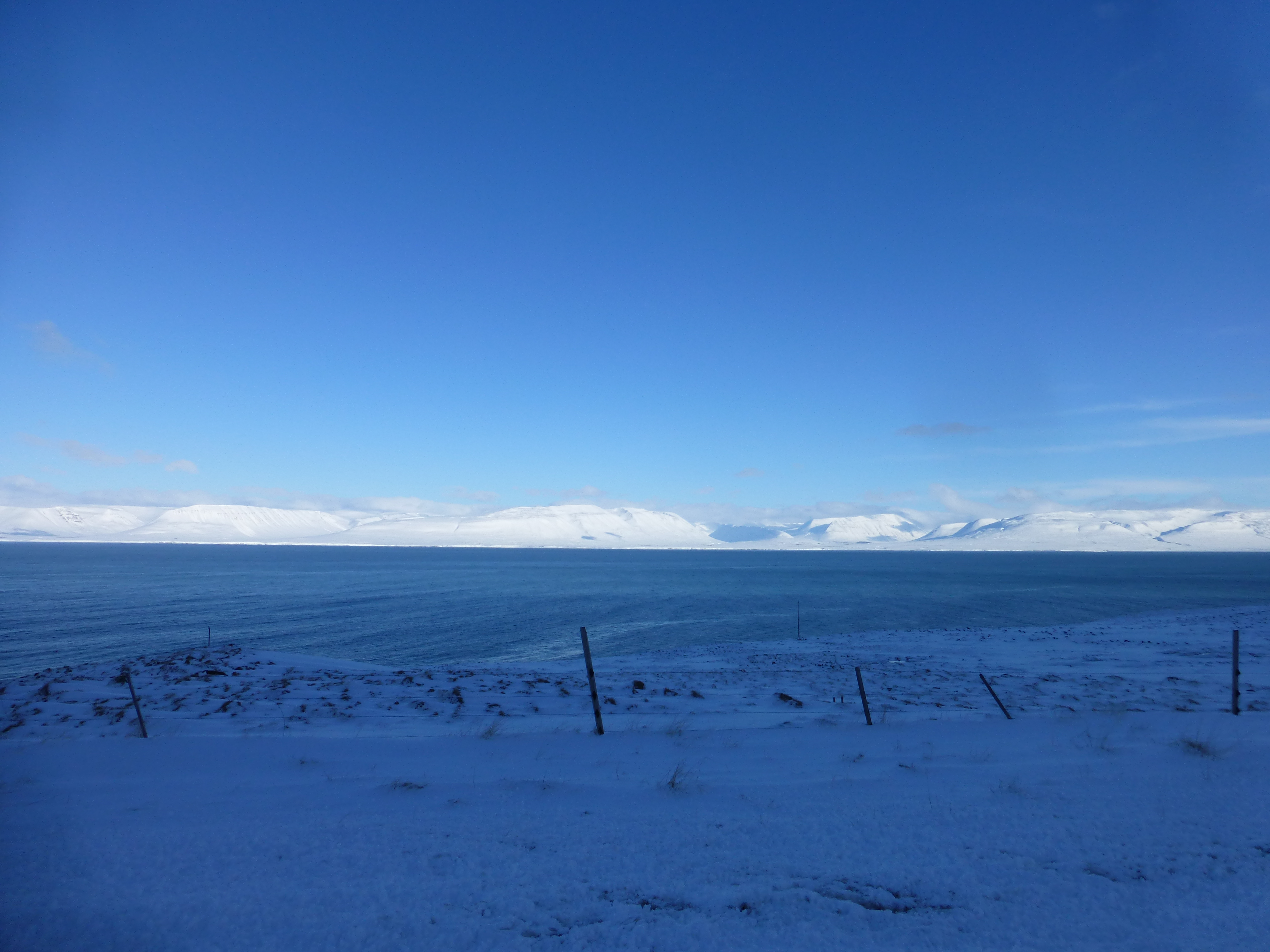
Or with a sandbar to still that water down until it turns to swans?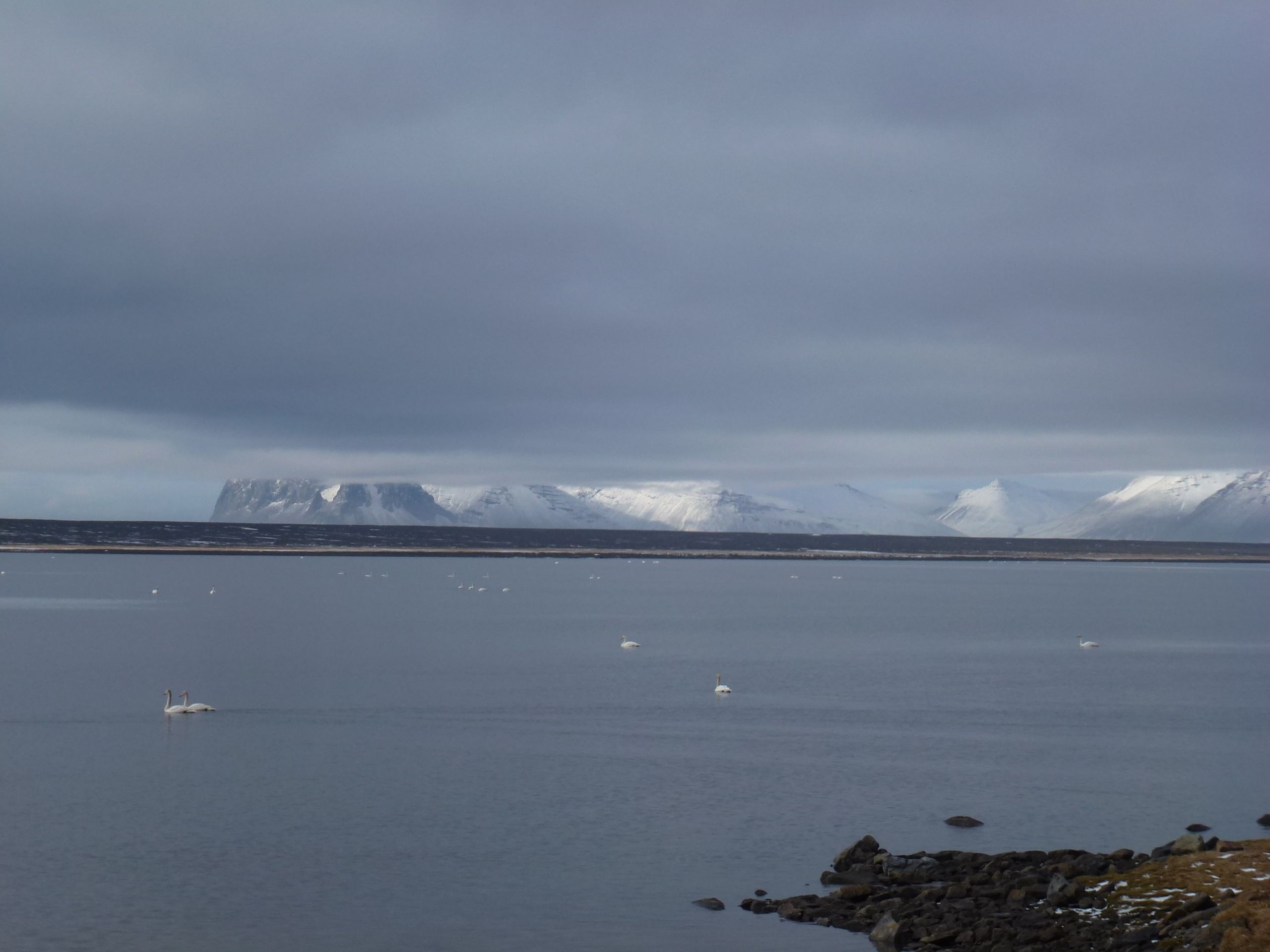
In snow?

In the midnight sun?
From halfway down a ridiculous cliff called, for some reason, a road?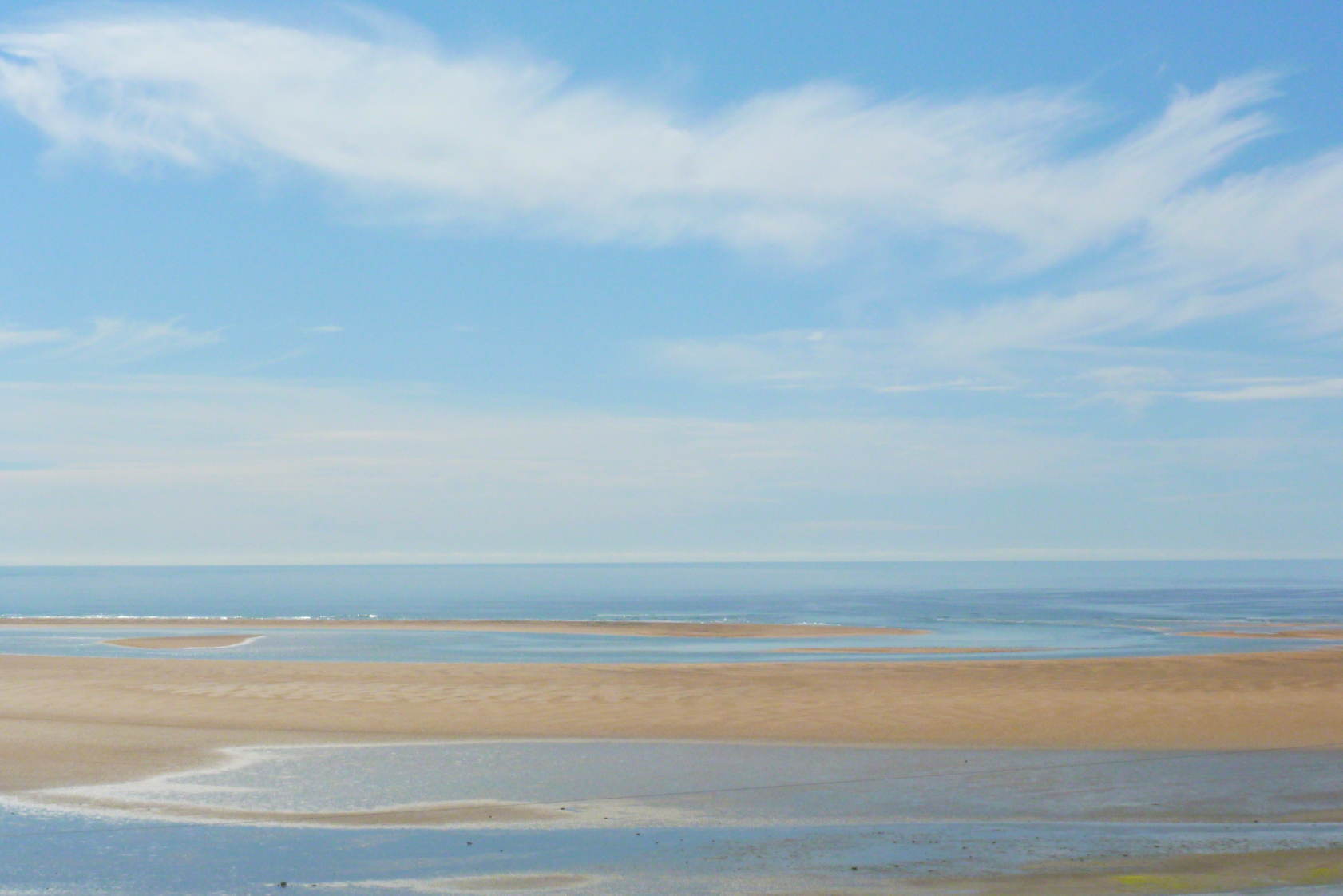
From the land of the dead at the bottom of the cliff?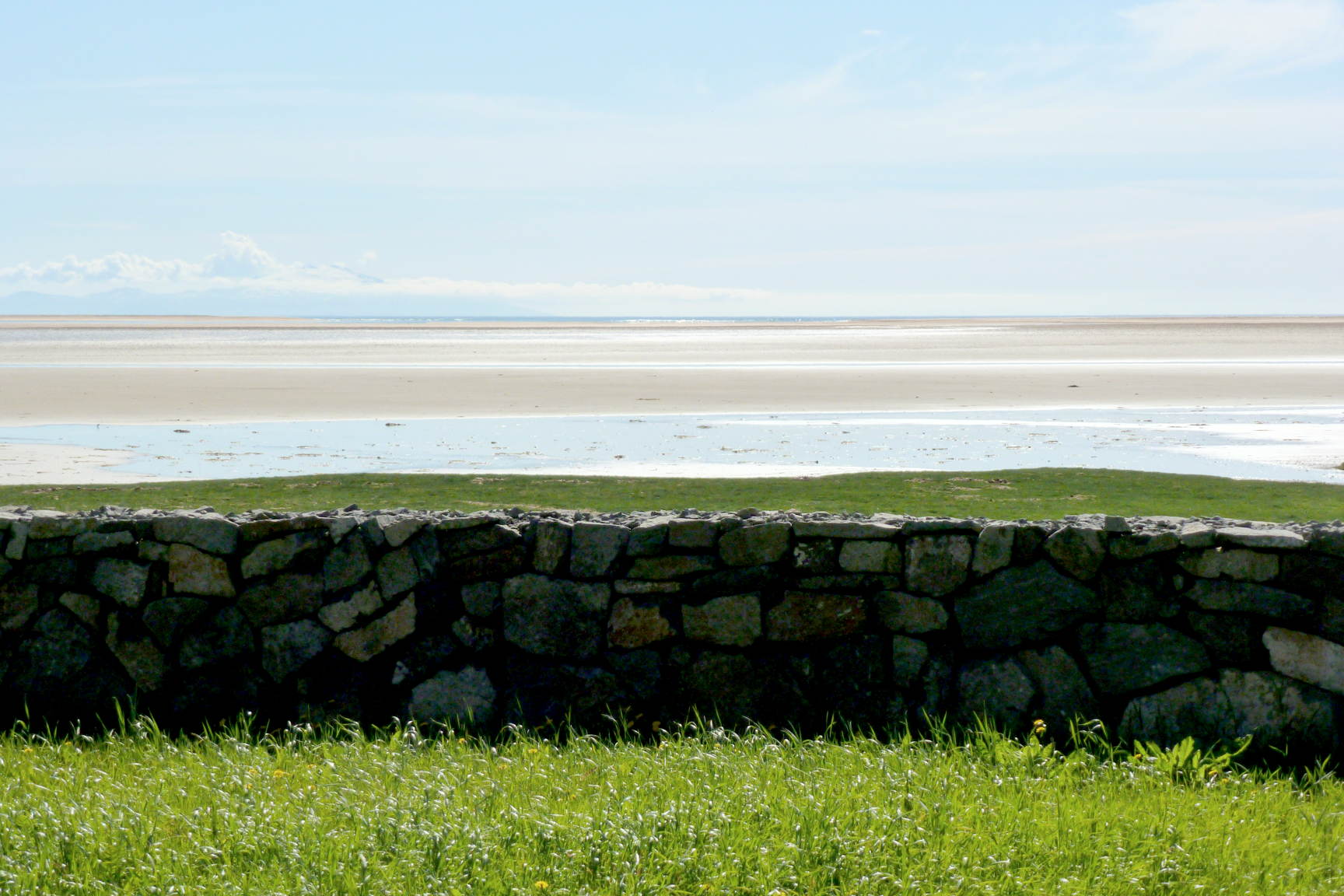
Among muck-raking sheep?
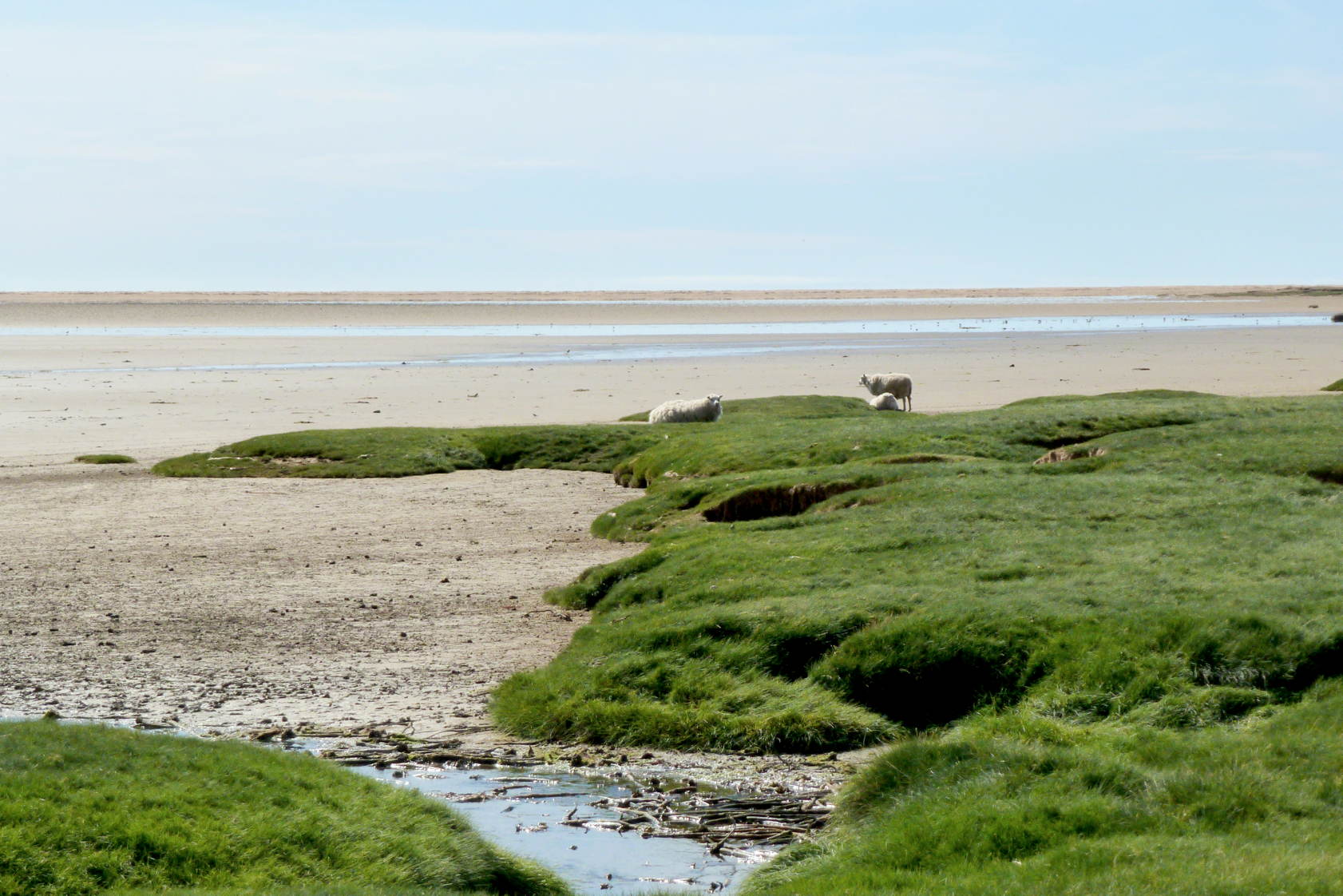
From the city?

From a place on no map?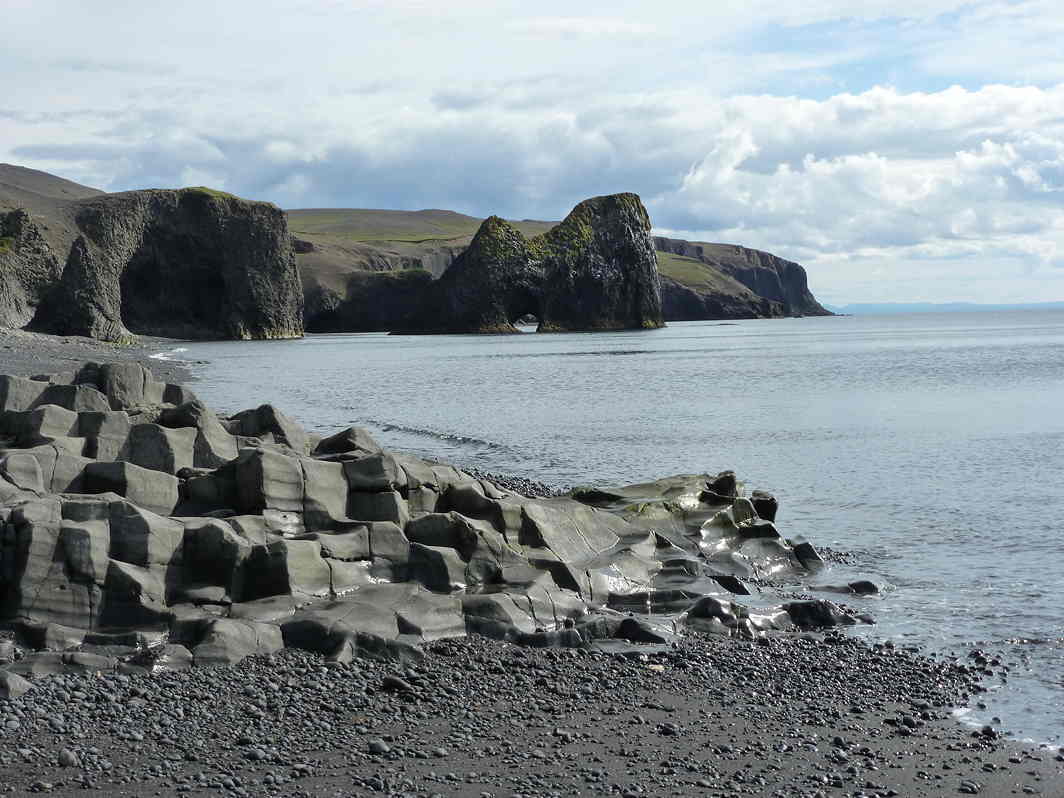
From a boat?

From a coal mine?
With a lighthouse?
Through a gate while tipping over in the wind (a common affliction)?
On a lazy evening when horses come to visit and refuse to eat your apples because they’ve never encountered such a strange thing before?
At the end of the road?

Without a road at all?
When the sea turns to silver?
When silver turns to the sea?
When the sky rains gold?
Over the mouth of a river?

Or when the sea flows into a river’s mouth and speaks of deep mystery?
These are the mysteries of people who live after the landing that makes firm ground out of waves that, wouldn’t you know, is not so firm after all. Yeah, best, maybe to just wade out with the trolls.

Waiting for whatever comes!
The world is bigger at dusk, the farther away it is.
It is good, I think, to go to bed when one is as small as a stone.
~
Skagafjörður
As the sun sets over the Skagafjörður and the peninsular pillar of Þorðarhöfði, the waves bring it onto the black sand beach of Gardssanður with a promise of dawn.
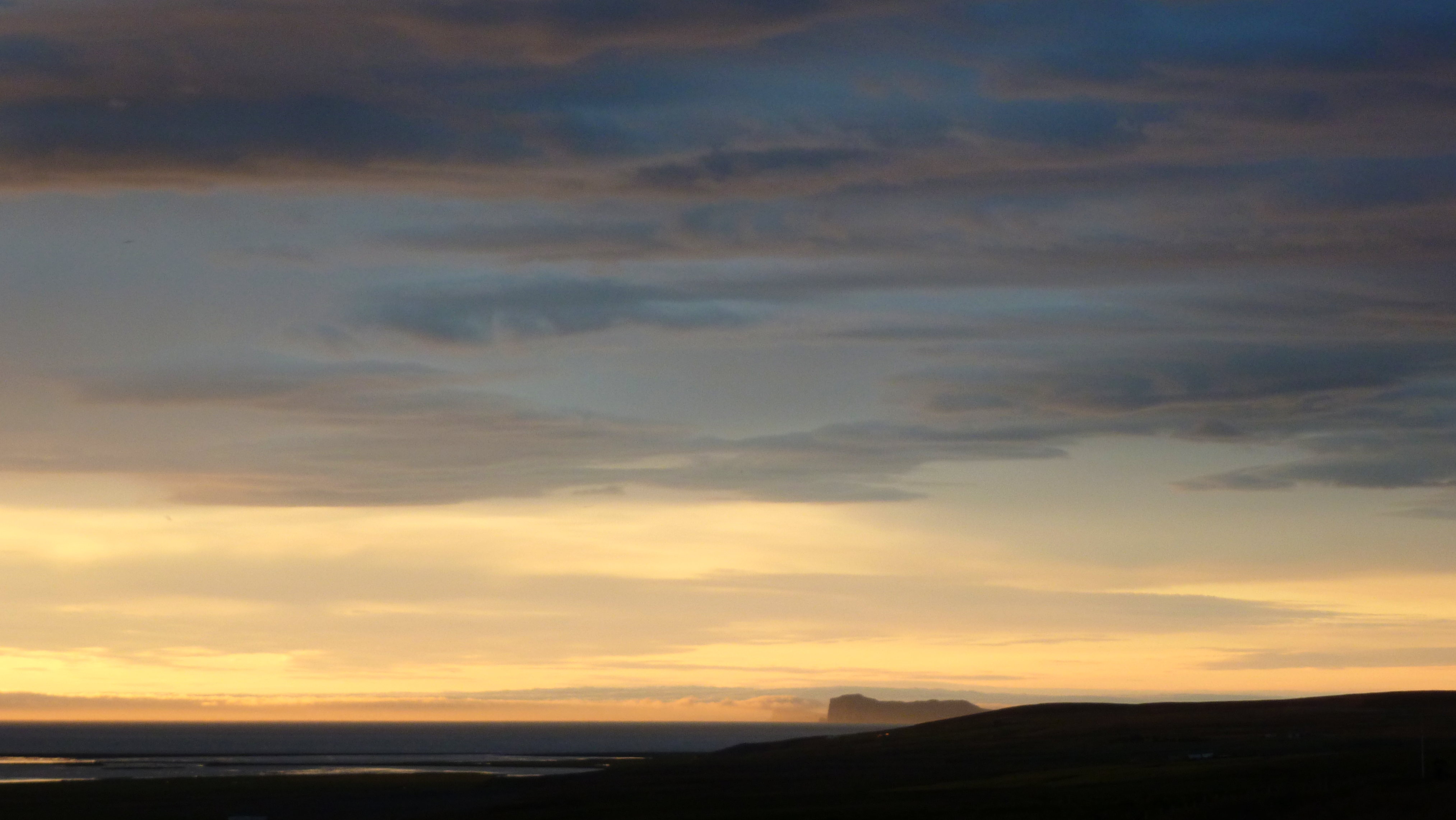
And not just of dawn but of eternity. Maybe it’s not definable otherwise, but it sure is here: Eilíifð, roughly translated as “eternity,” better as the “living on”, in the sense of survivors (such as settlers in Iceland, in the midst of such a sea.) Such is the haunting pleasure of islands.
Here is a social space in Reykjavik that’s not a park, a street, a building or a yard full of old rowan trees and mystery. It’s more mysterious yet. This is what the people of the north of the world call The Sea Room.
And on Snaefellsnes? Yes, there’s one there, too.

And in the far north, too.

Note that the Sea Room has few boundaries. It has a sense of being open, with a free flow out to the open ocean, which it is nonetheless separated from by a sense of space. Compare that to a lagoon in the East. 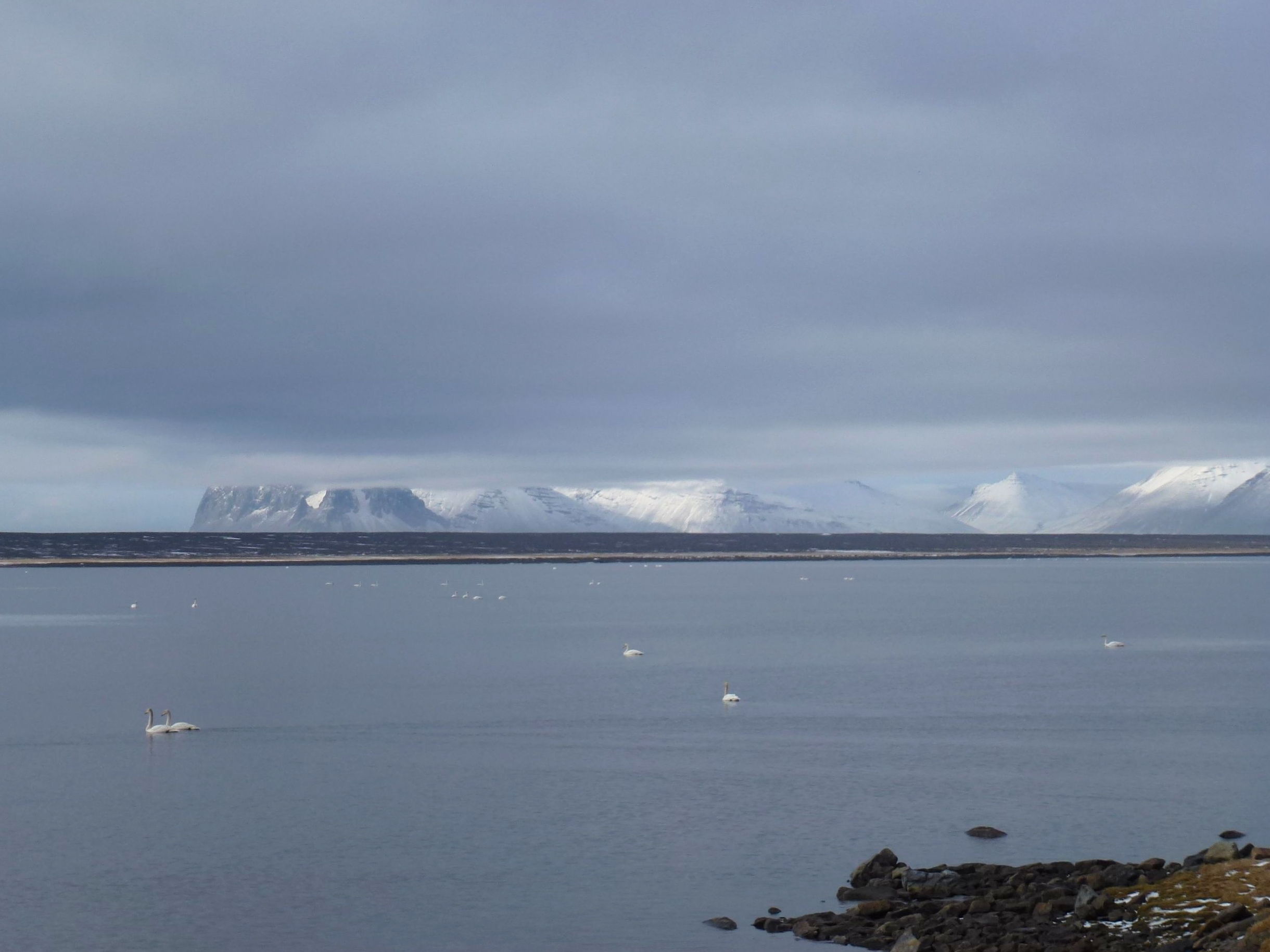
In comparison to Sea Room, a lagoon is bounded by land. And below. Na, that’s a river mouth in the south.

Nope, a Sea Room is special. You can live there, in a world within the world. So, let’s try it again… Sea Room?
Nope. River mouth. And below, what of it? Sea Room?
Nope, a river flow through a lagoon, with the open Atlantic trying to get in. Now, that’s fun. Ok, what about the view below at Dritvik?
Nope, that’s just the sea. You enter it when you leave the sea room. And below?

Nope, sad to say. That’s a field in Breiðafjörður. This is Iceland. it’s tricky. And below, in Skagafjörður? Yes! You got it! And below, at Buðir?
 Atlantic again? Yup. And here’s Dritvik? Is that a Sea Room? No, it’s an ogre and her ogre whale pet in a bay at dusk, in the rain, looking out to sea. But here’s the thing, in Iceland men rowed way out there in little wooden boats and hauled in cod, far from land in storm. They made a room of the sea, a portable one, centred on their boat, just as their island is centred in the sea. That flexibility remains in the country.
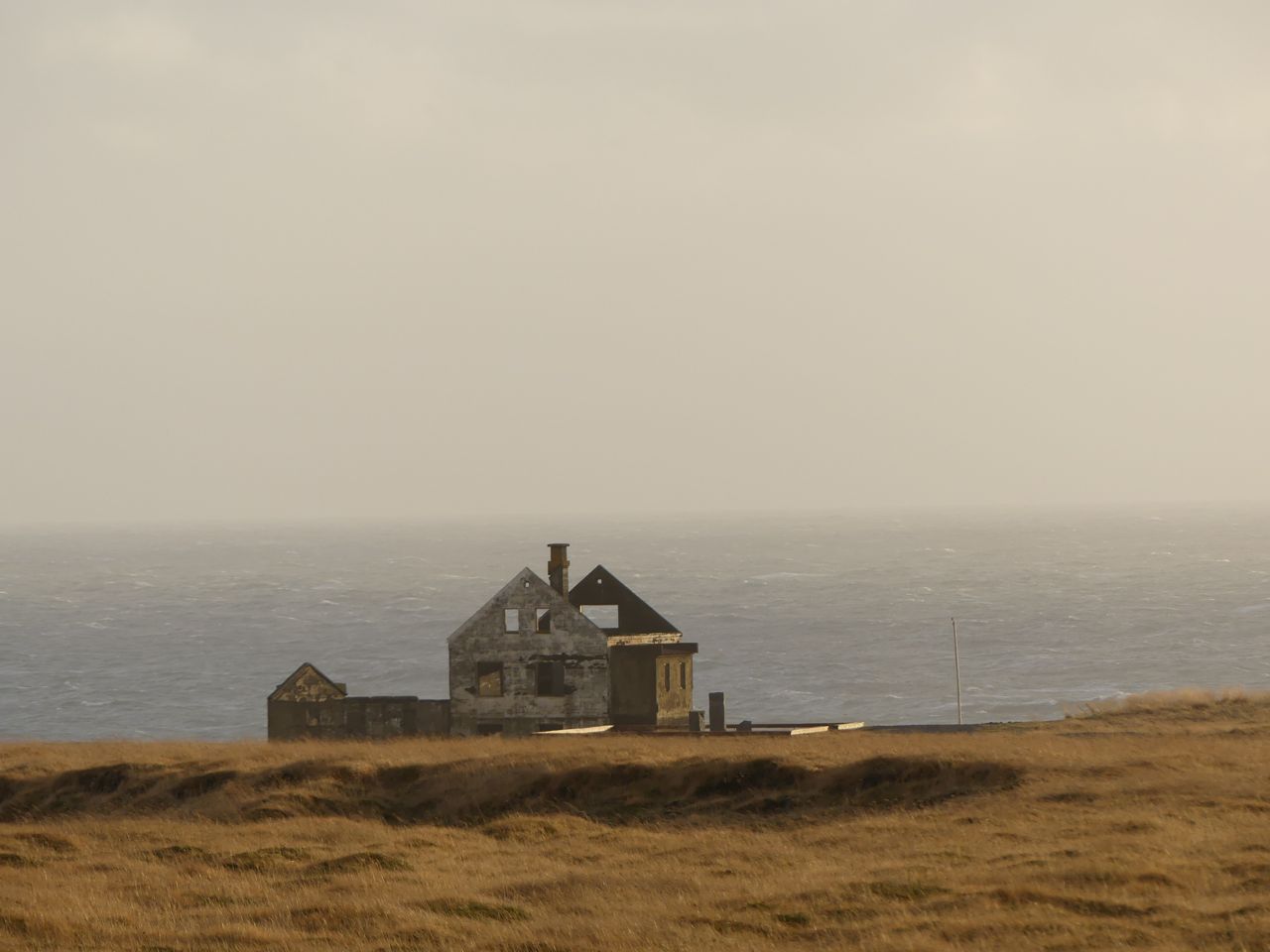 It is known now as memory.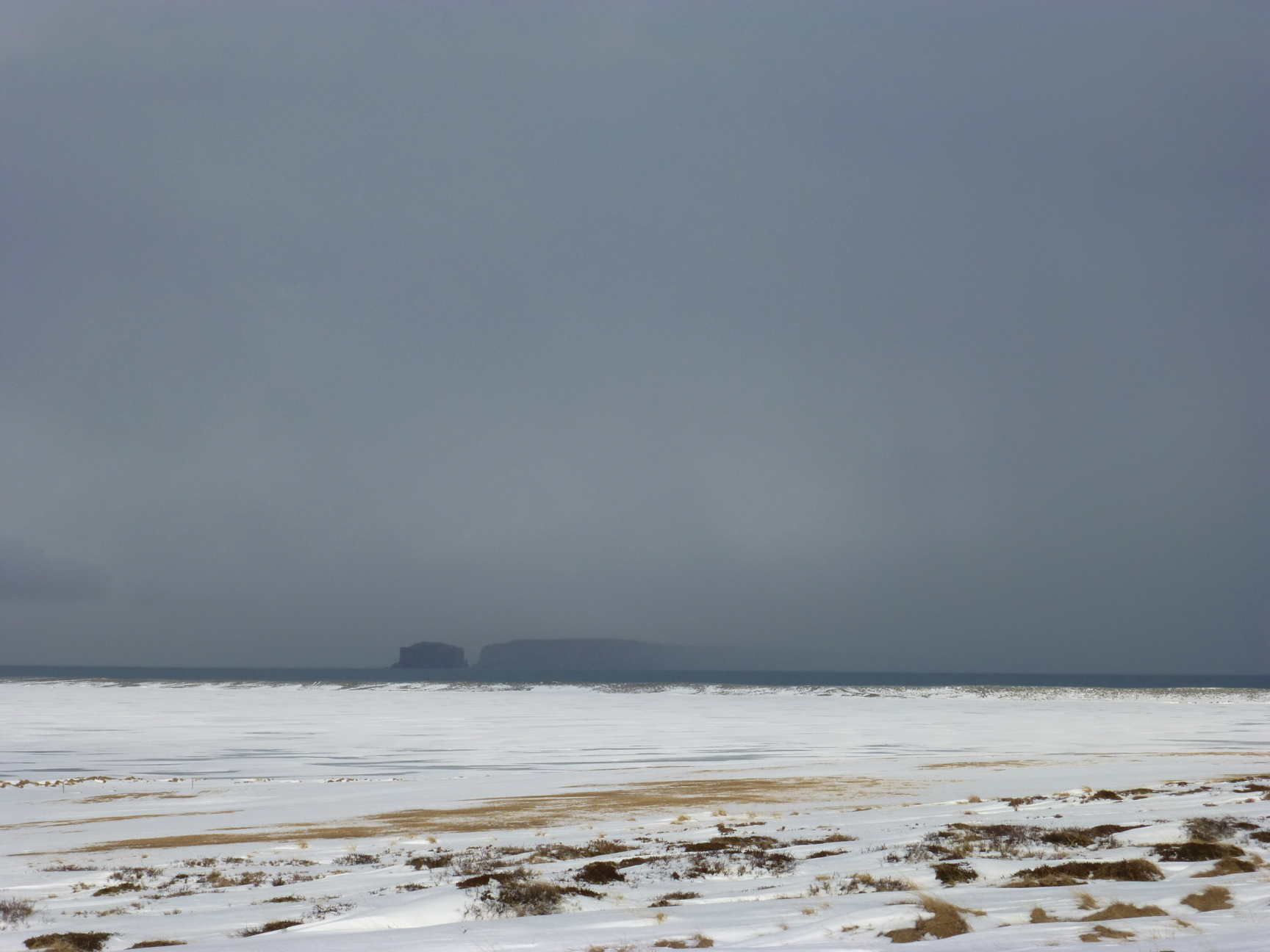

 A Farm in Iceland
