Send them here.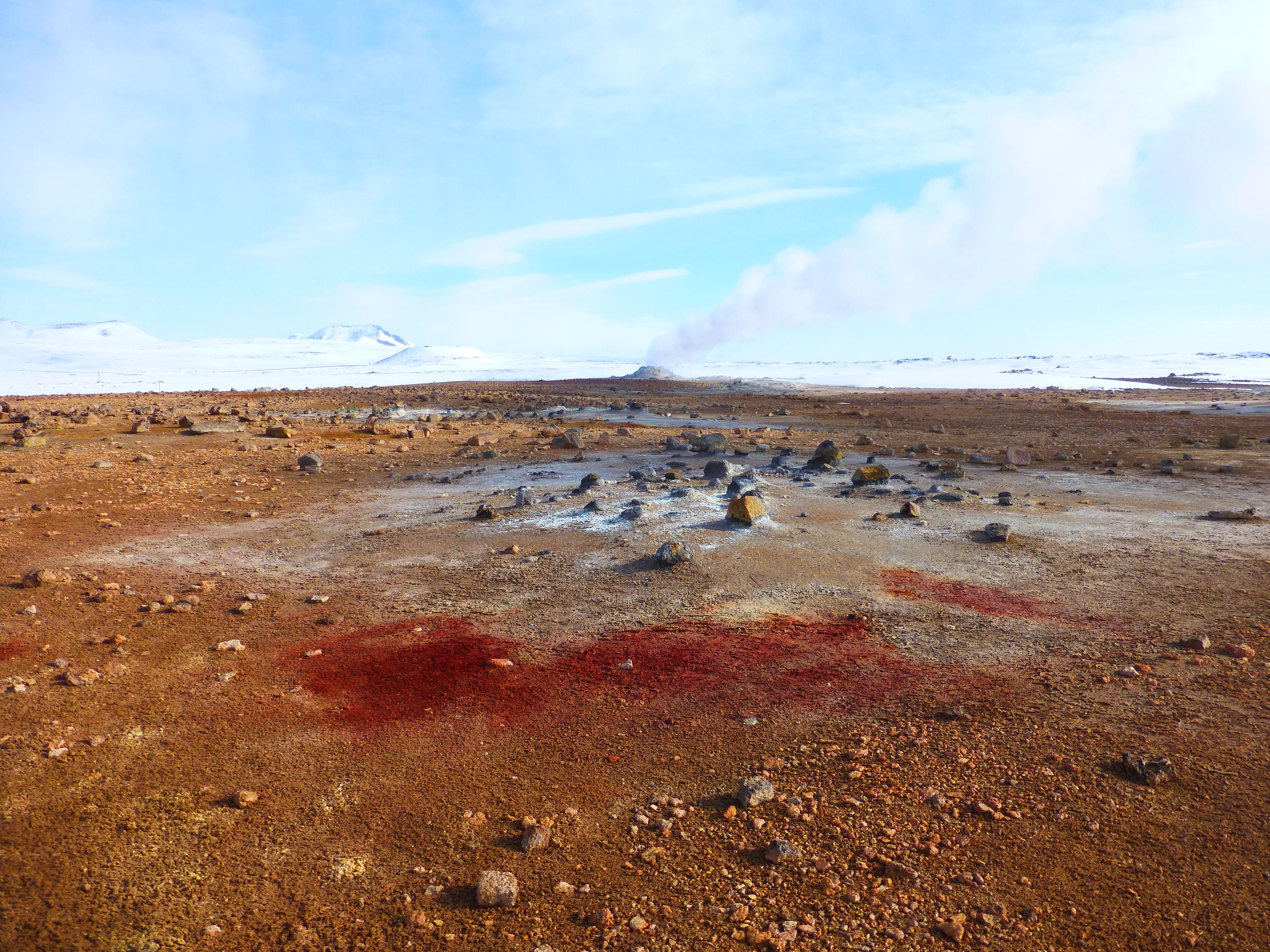
So you can do donuts here.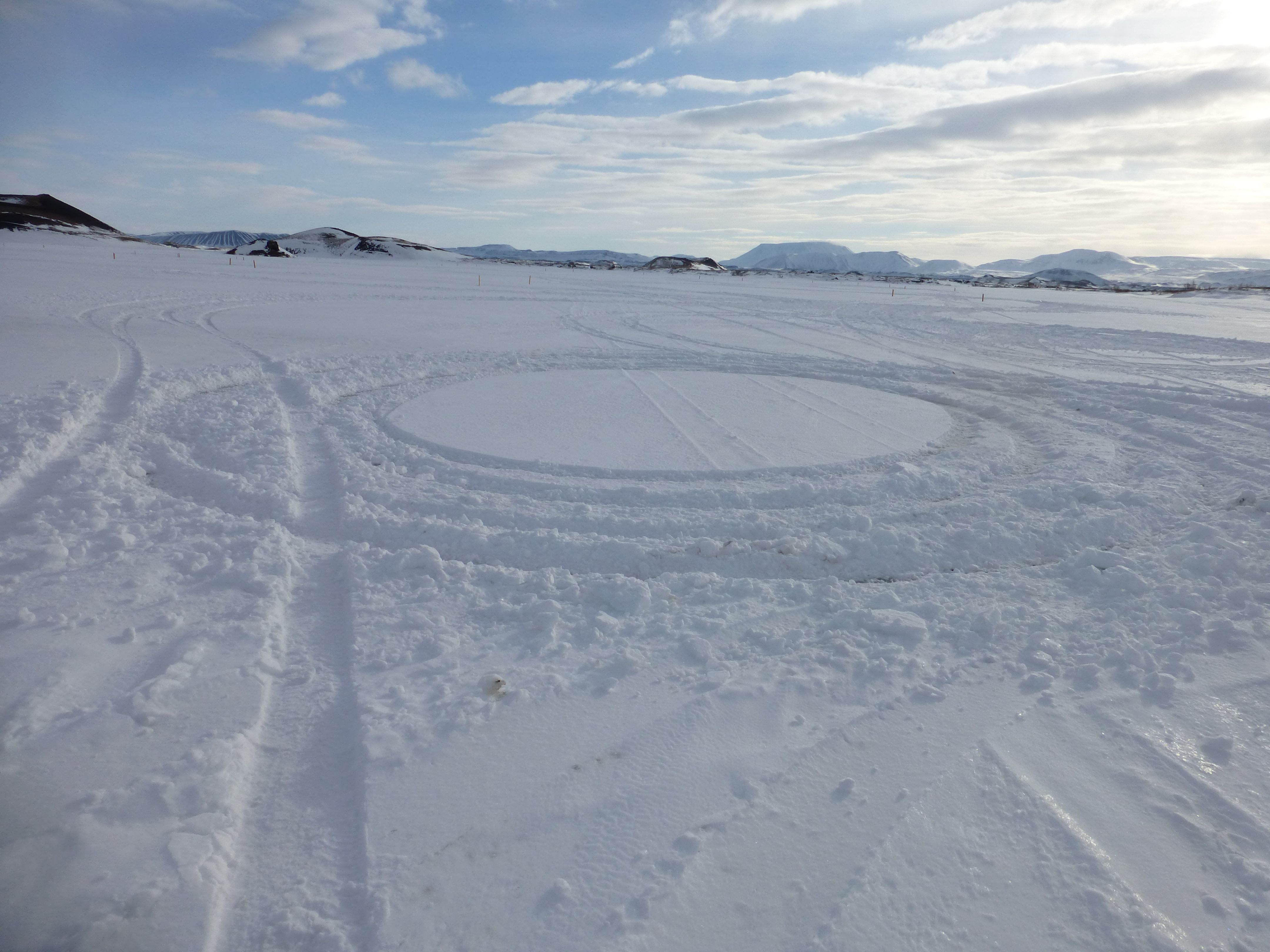
And try not to let them surprise you with your fleece half off.

Send them here.
So you can do donuts here.
And try not to let them surprise you with your fleece half off.
Iceland is a series of communally-created gathering spaces to transfer natural power into human hands.
 The Fold at Kirkjubær
It doesn’t work the other way around.
There are vertical paths.
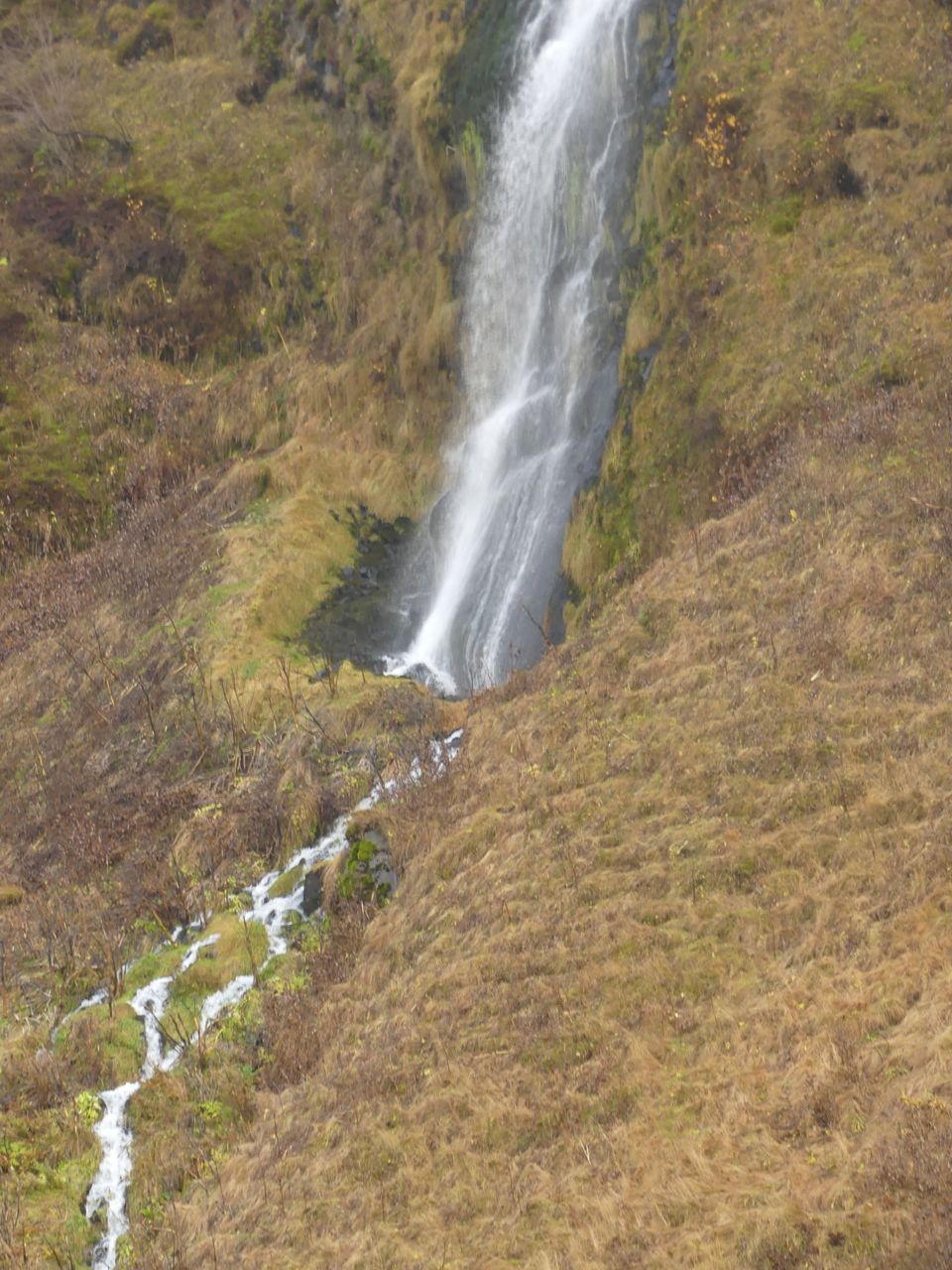
There are horizontal ones.
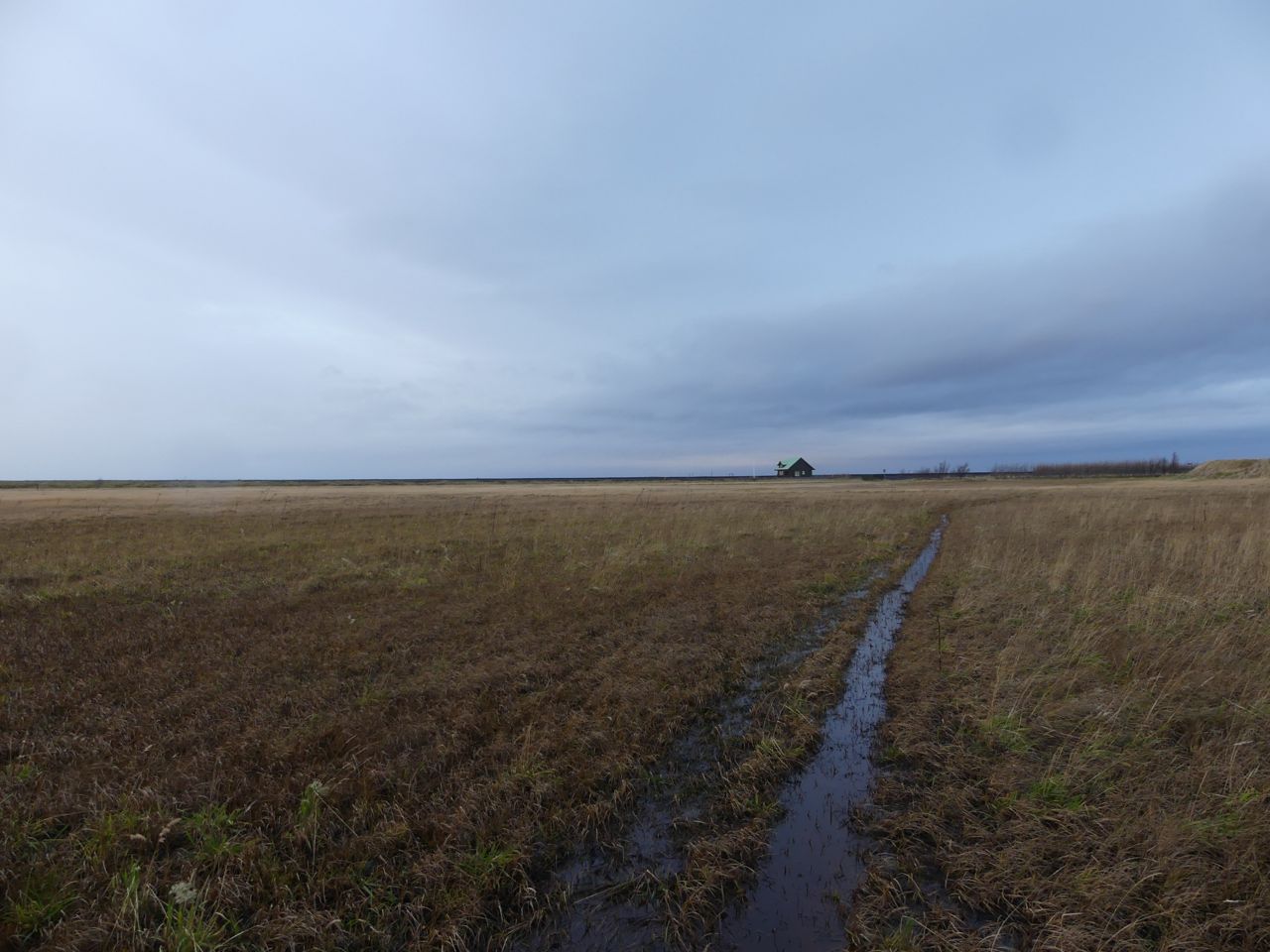
In a gale, they can be both at once.

We see these falls as paths because we are pathfinders. See the path to the right in the image below? Can’t resist?
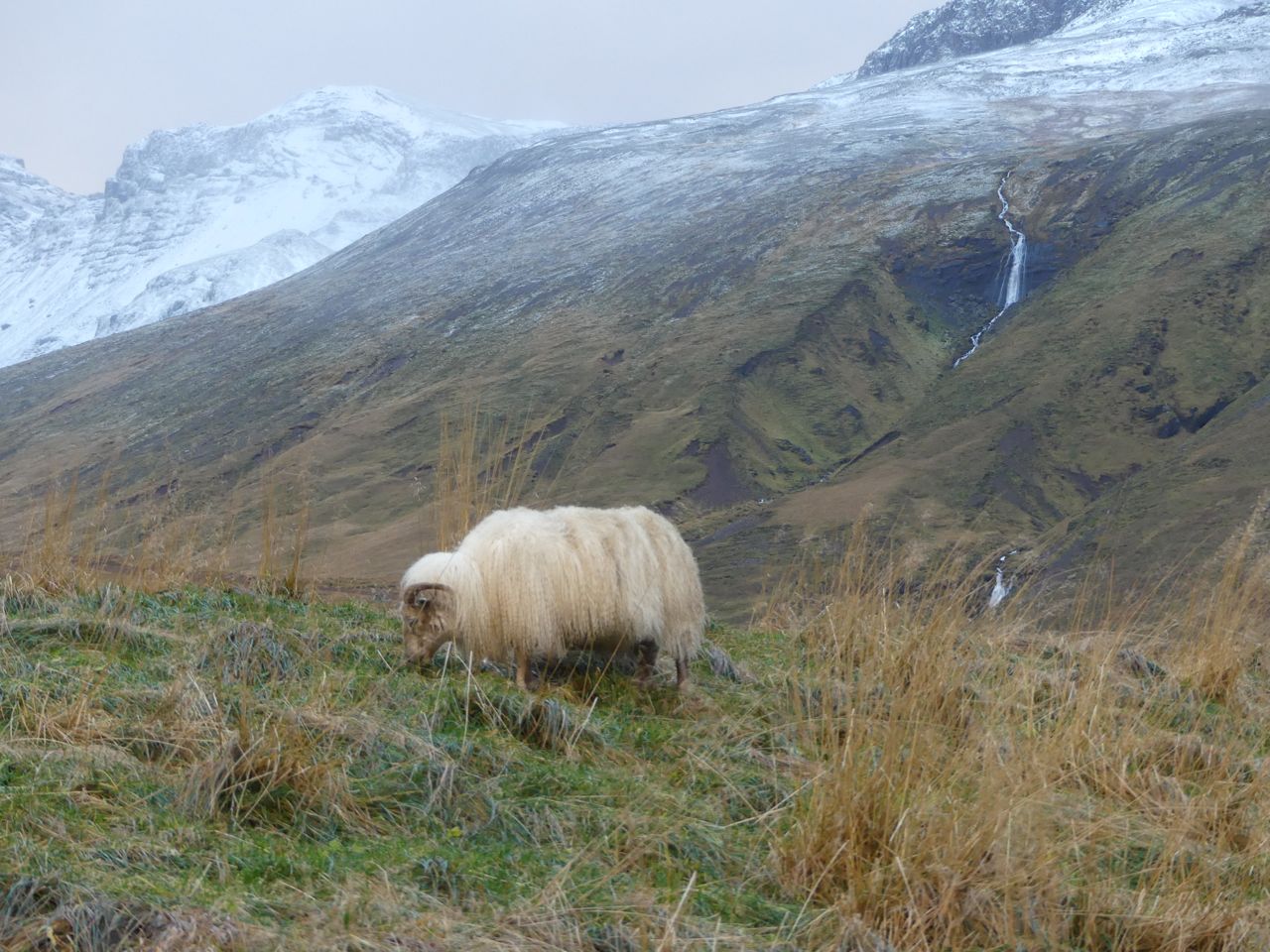
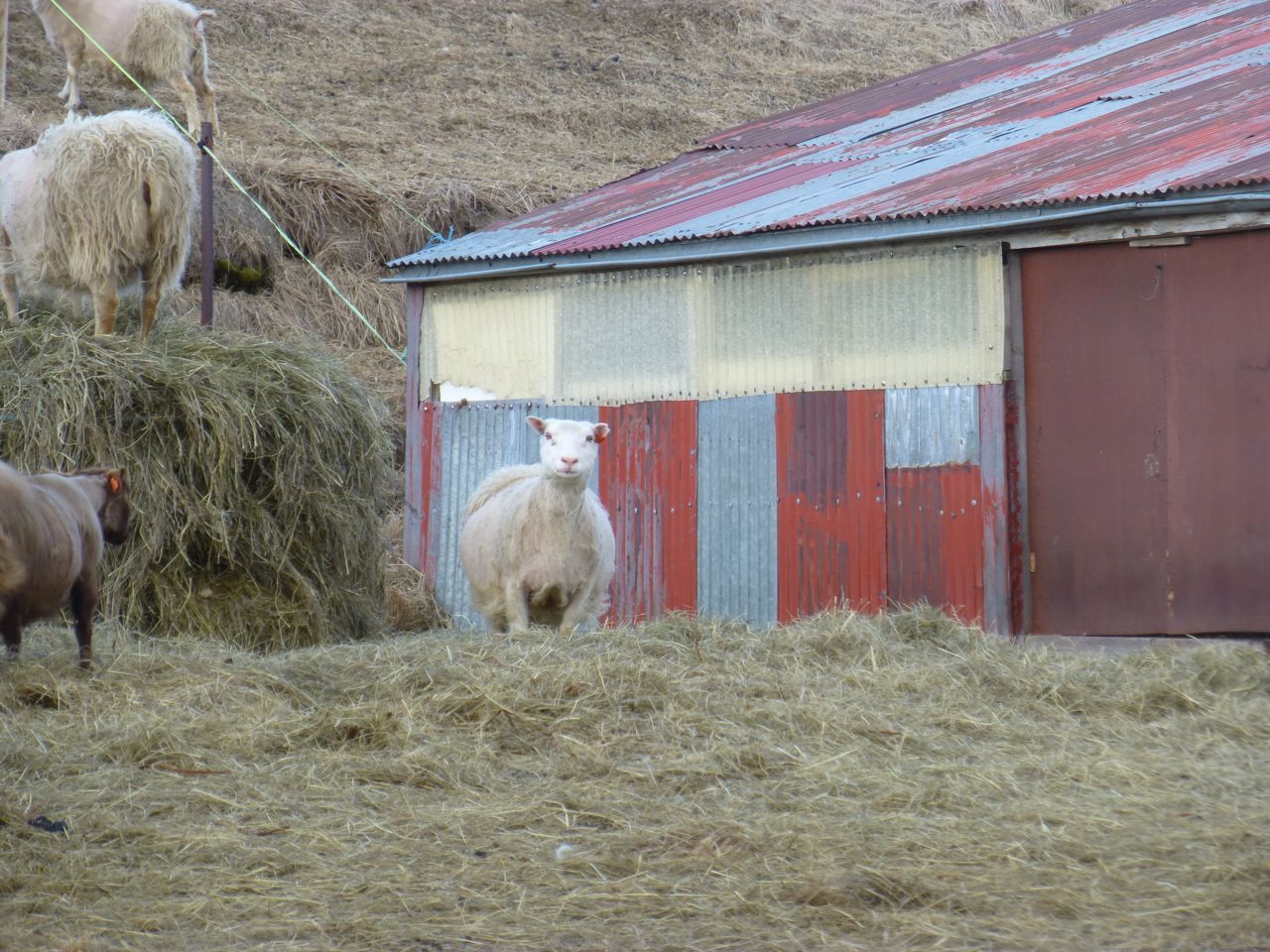
Of course not. That is the human spiritual trace. The sheep is an elaboration, and exquisite for that. These creatures are not paths but warmth, hearth and home. Their other form is this:

That is a sheep and a human family, spiritualized as one, in time. This is the water path that makes it possible:

It is one with them, because of human path-finding. That is the spiritual path at the edge of the known world.
Dwarf city in the West Fjords…
Frost spirits at the Glacial Lagoon, in the South …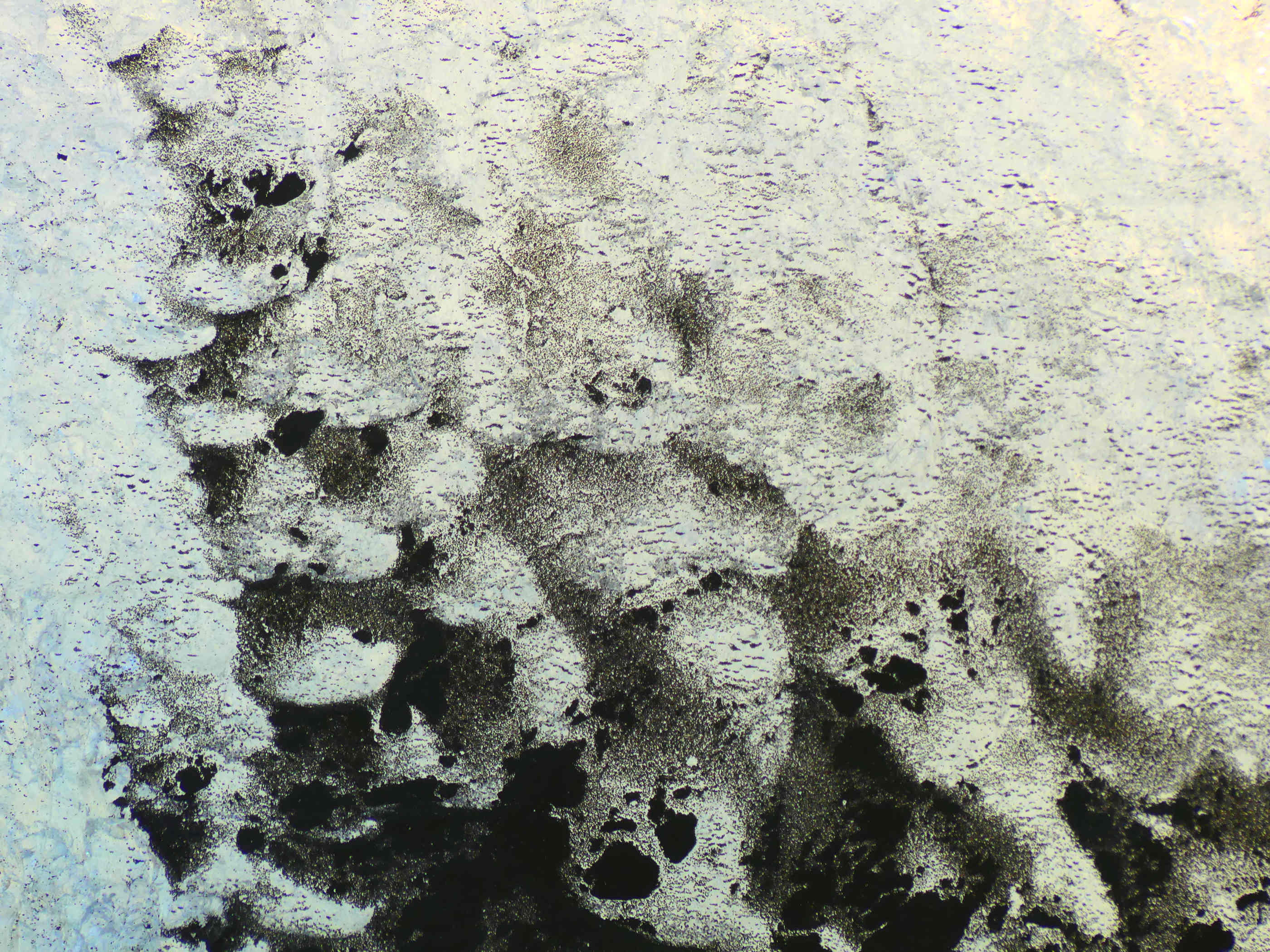
A buried elf city in þingvellir.
The patterning is consistent. This is flocking, the rubbing of loose knots of fabric out of a woven cloth. Sheep, birds and cheese follow the same energy to come together in groups, and clots, as does, yes, blood. Yes, you’re looking at blood, not the red stuff in your veins so much as something more general, part of an old conception of spirit that predates Iceland by untold millennia and is remembered there as a living world.

The principle is universal. Where today’s civilization, the civilization of “nature” sees one form of energy, the old one is scarcely hidden, a kind of edge effect…
… a kind of way of seeing transformation rather than durability.
We call that life.
Myvatnsveit, in Northern Iceland is a place where you can get a view across great distance. It is a view (vita) across distance. You see (vita) it and you know it (veit.) What a sight!
In the modern world, an English speaker, trained (as we all are) in Enlightenment philosophy, would likely say “I see”, “I got a good view at last,” or “I could see a long way.” It’s the same in modern Icelandic, because Icelanders are all trained in Enlightenment philosophy, too, but the old sense in Icelandic (and English) is different. The view is there. The possibility of sight is there. We enter it, and then the sight has a centre. It is a point of movement, which we calling “walking”. We see out of it, to where we are, which is in the middle of a veit.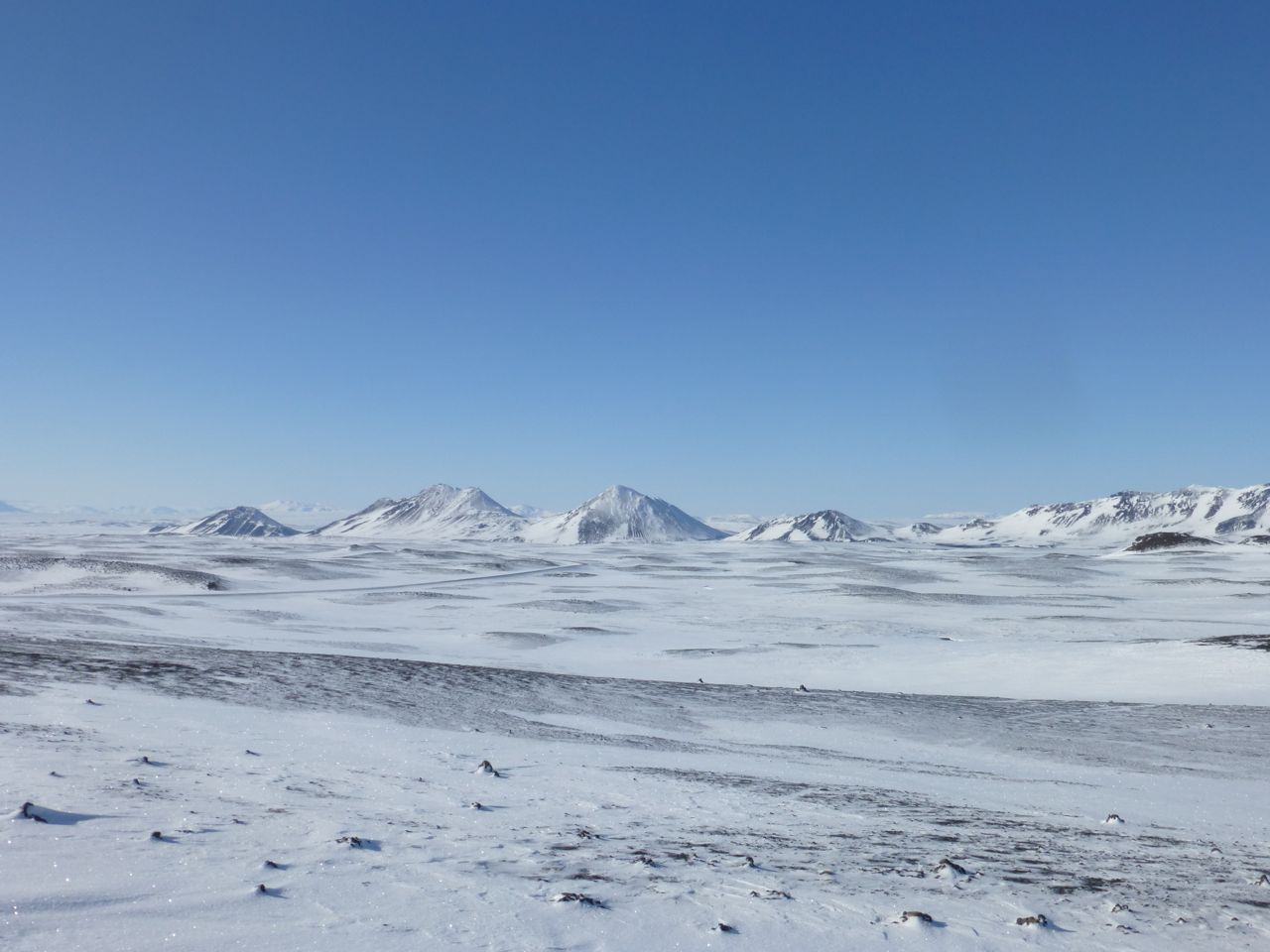
We even have a term for this in English: “I’m in the middle of nowhere.” That’s an alternate way of looking at a veit; it’s a waste, or a wasteland — a place that is not home. You’d better start walking, if you want to get out of there, but you will remain within it until the last step. In English, the word “wide” fills a related role. It is the space of a walk. It remains in material form between the walk’s beginning and end, which can only be re-experienced by another crossing, which brings it together or makes it near. (Read more on earthwords.net) If you enter this wide space, you enter that walk — the time (and place) that I, or someone else, made in the past. It comes alive in you, but only when you move.

Until you come out the other side you are in the walk; the veit fills you. Only when you come out at the other side does that life slide off of it and back to you and you can see. Whatever is on the trip is on the trip; only what you carry out doesn’t stay there.
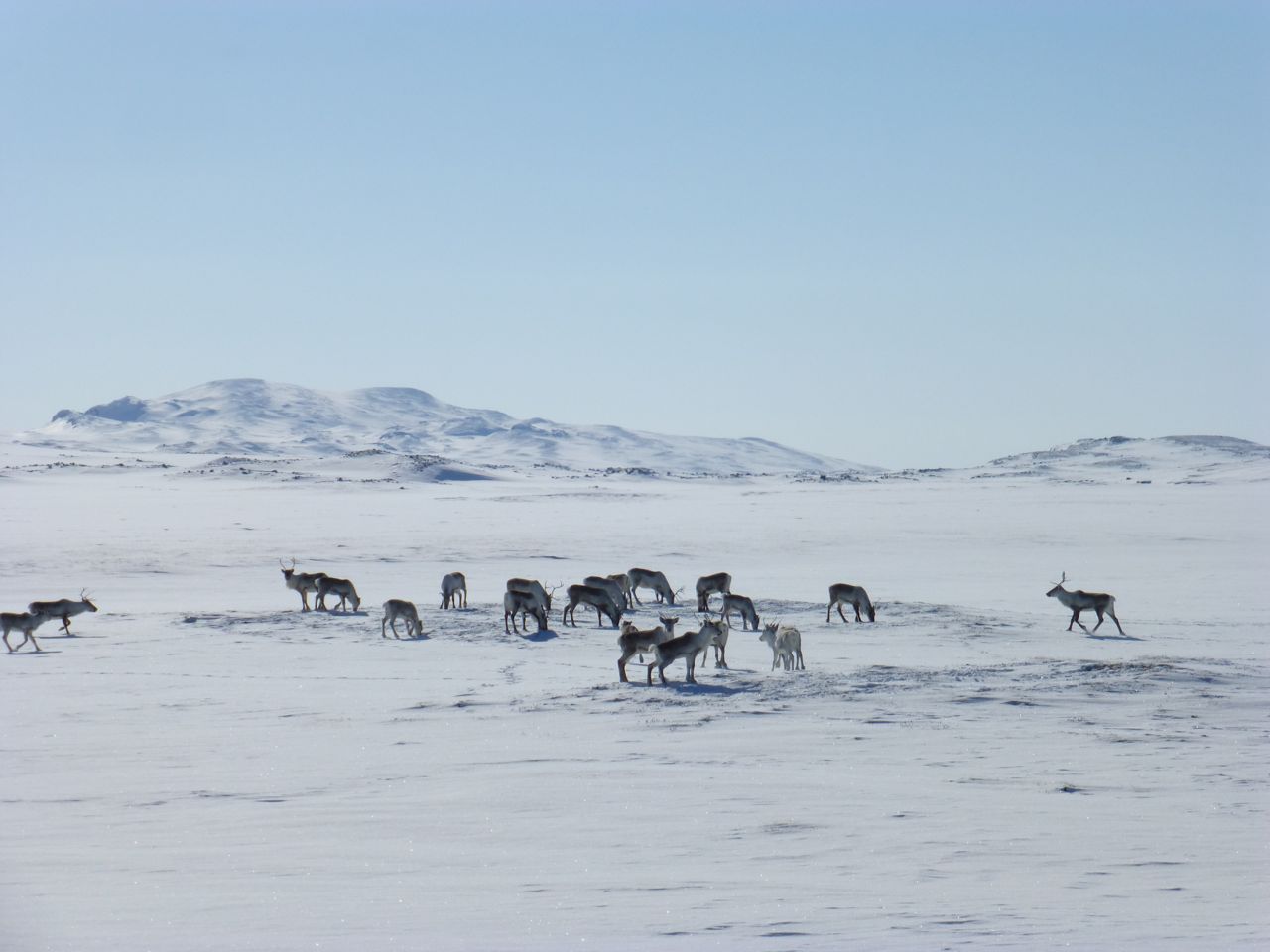
And when you look back, you see where you were, but you aren’t there. It has become something complete, which you see, and can, if you choose, reenter.
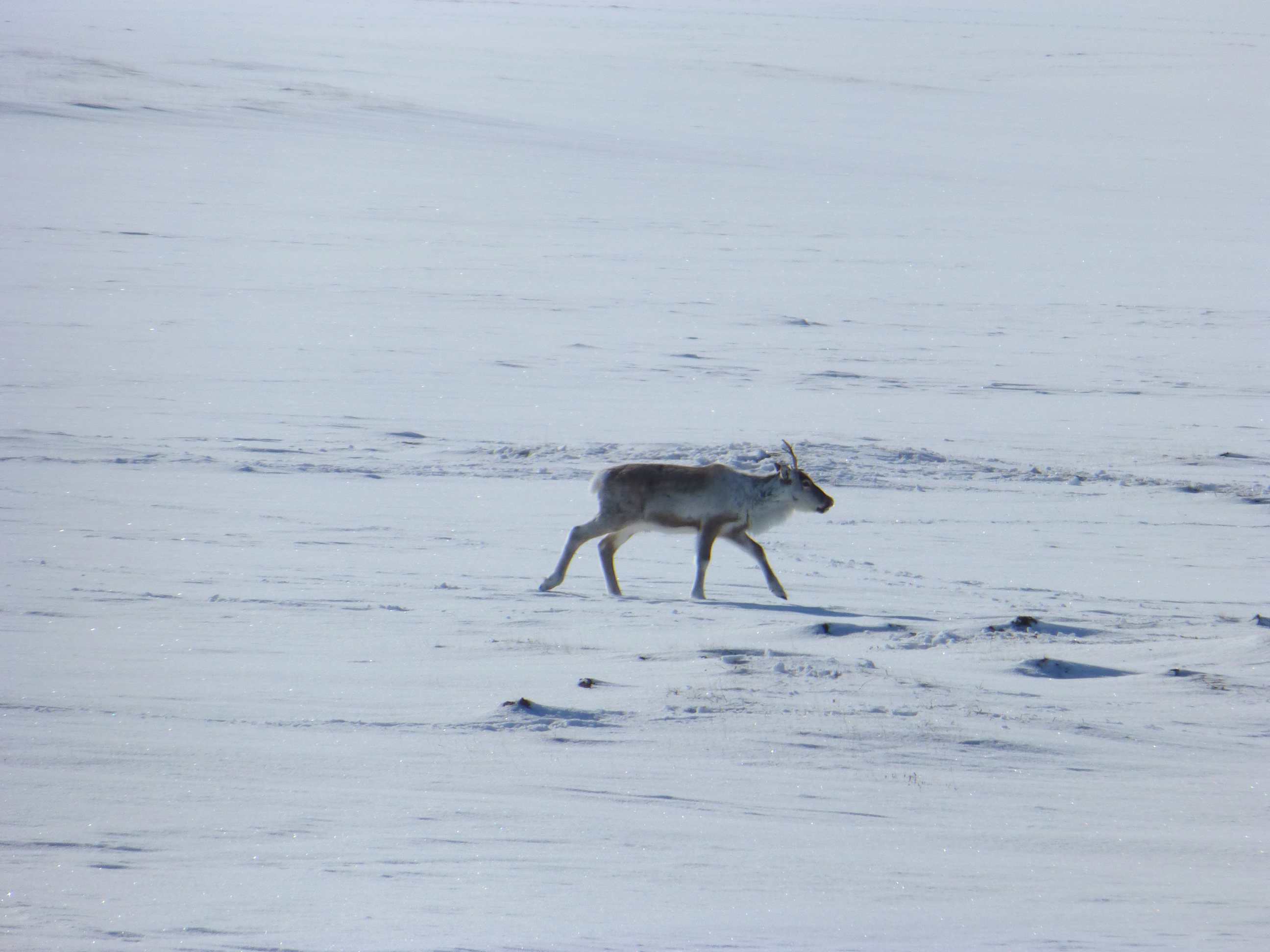
These are old word meanings, but they are the gifts of our ancestors, who knew about walking. For them, it was the communication which today is, well, taking place in this combination of words and images.
 Grundarfjörður
We are, in effect, walking here, in the flat light of Iceland, that shows no distance, no near or far, or, rather, shows a land made of light, quite different from the one we watch from.
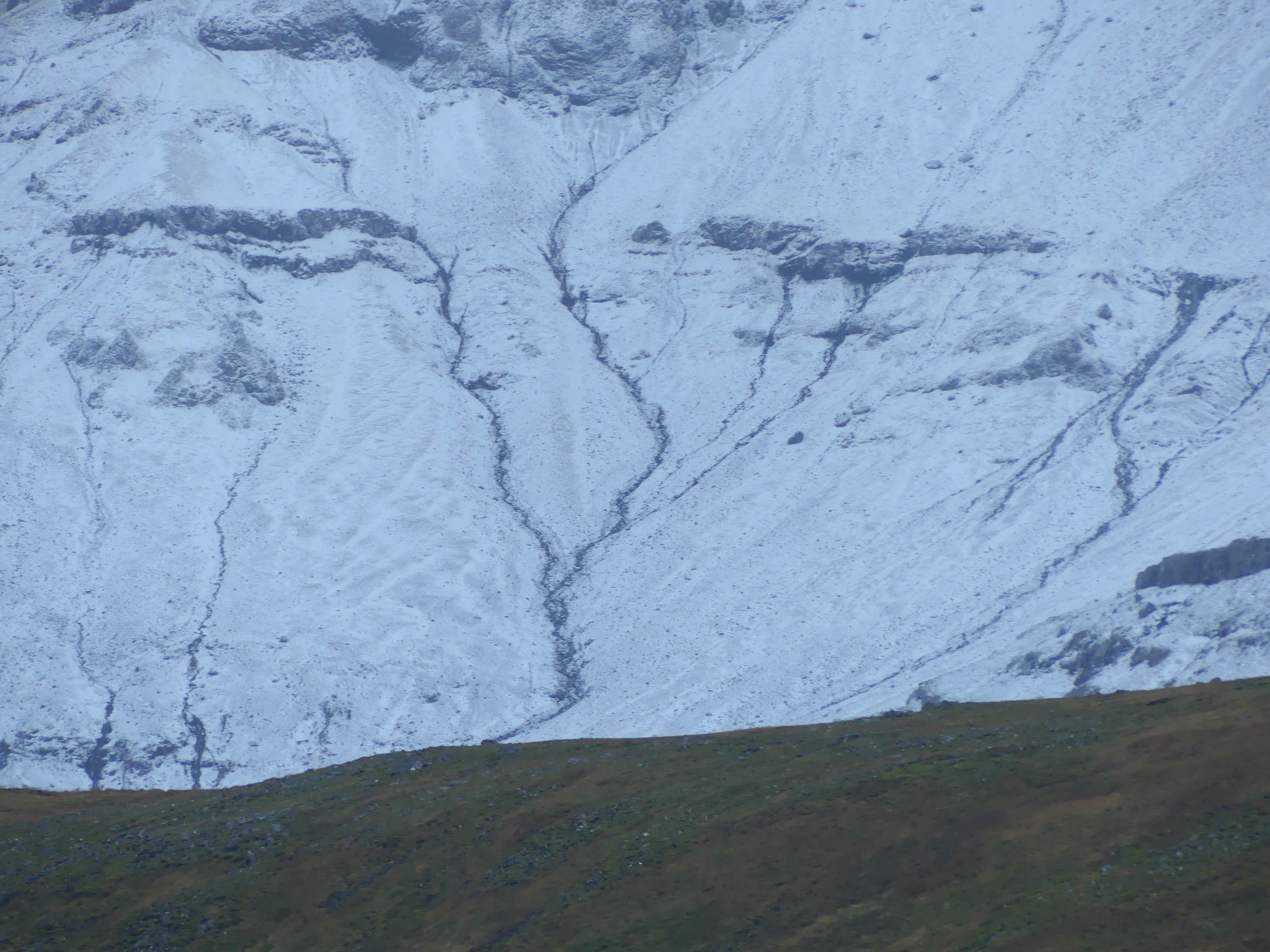
Grundarfjörður
It is a cold place.
 Grundarfjörður
From our green fields, we can see into it. There are trolls there. Our bones ache in recognition. When we are in it, we see within it. When we approach the end of our walk, we see out of it, to the future we are walking towards.
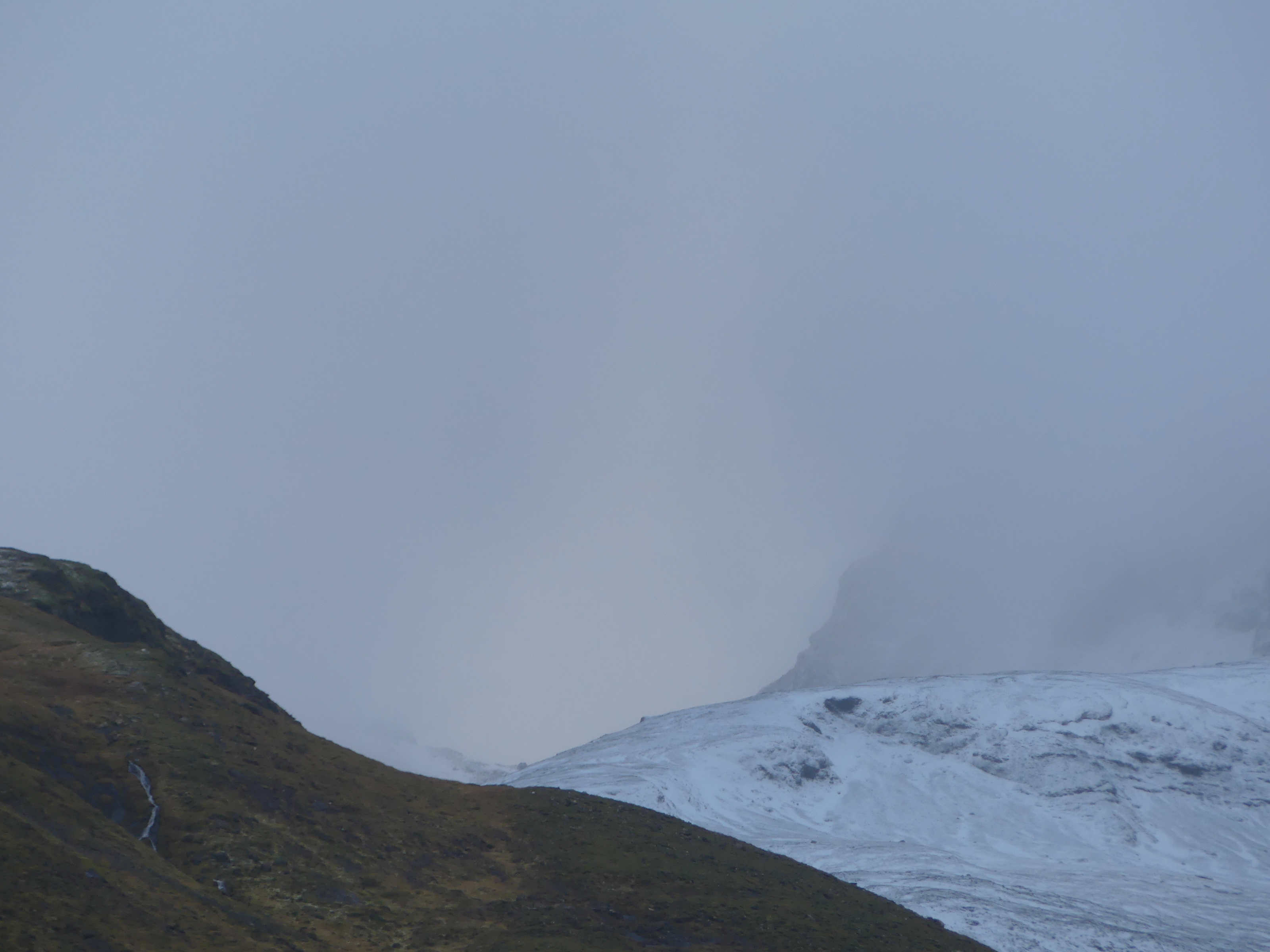
Grundarfjörður
And then we are there.

Grundarfjörður
It is the same for every moment. We can cheat and drive a car, but if we want to be alive in a moment, we have to walk.

For creatures like us, sight is a glimpse into a possible future. Walking is being there. And when you come back the being remains there, not where you are. Amazing isn’t it. There’s a technology for binding past and future across the empty space of a walk. This is a way, or a path.

Buðir
It is a protective charm that cuts across the unknowability of a veit (the consciousness that is your body walking, not your mind thinking.) Forget sight. It’s not primary. As long as your feet don’t stray from your path, you will meet your future. Mine, as you can perhaps make out, wears a blue coat. Good to know! Well, looks like I’d better catch up. See ya!
On the south coast of Iceland, the world is being made out of primary forces. It is not happening in the past. It is happening right now.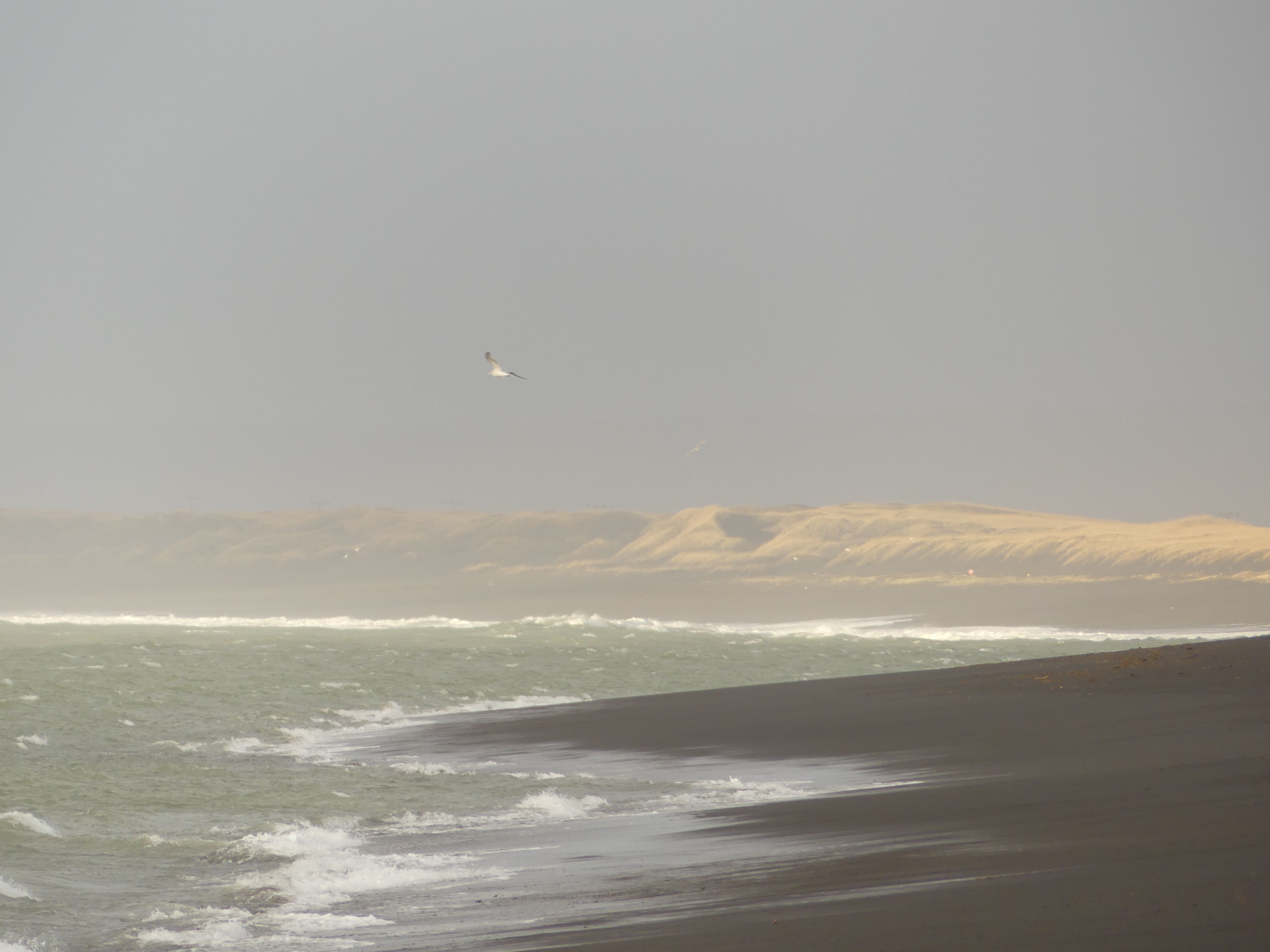
These forces of wind, water and air are like primary colours.
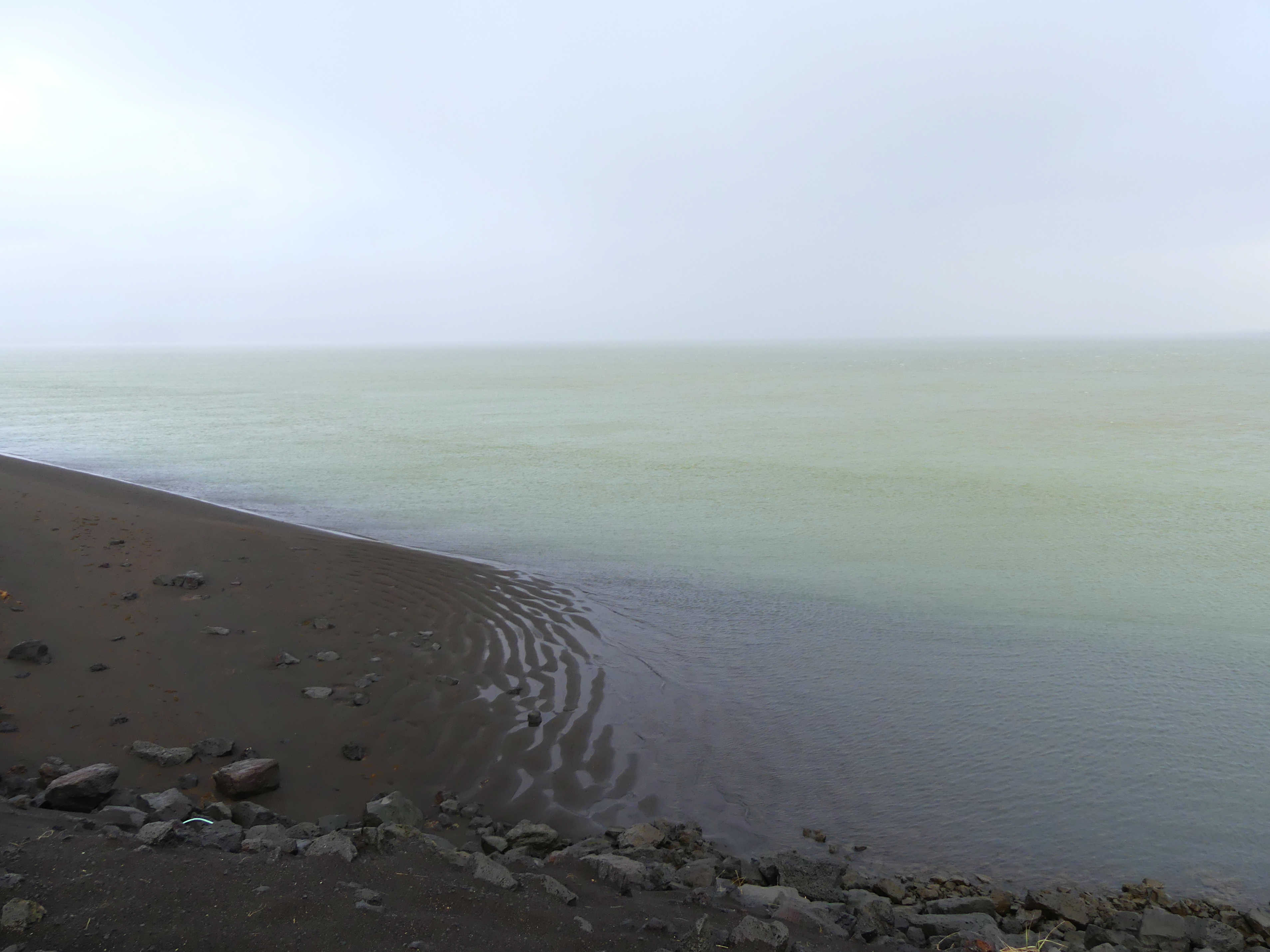 Which are primary ways of seeing: moods of the day.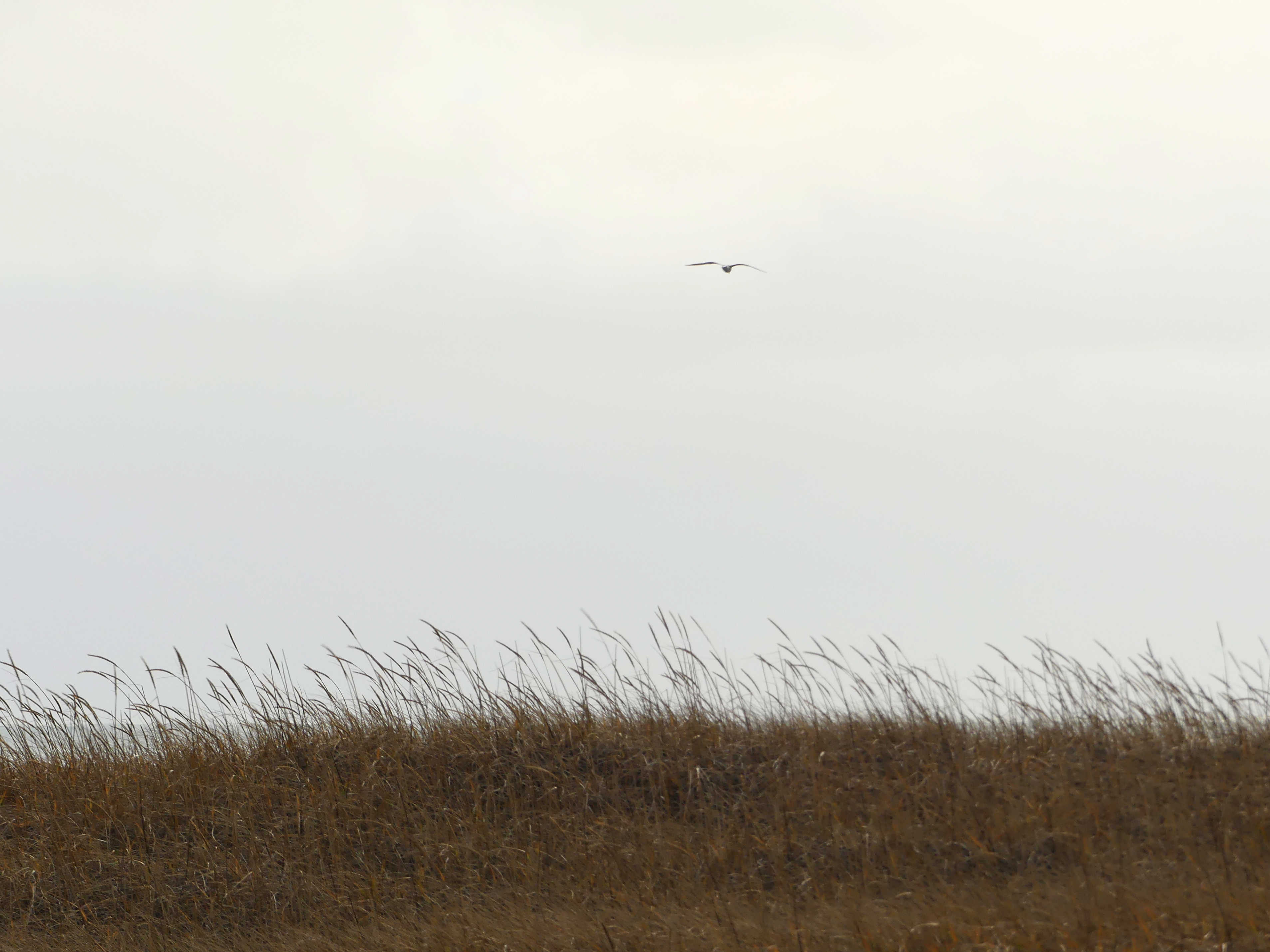
It is possible to live within this palette.
Power structures will be expressed in its physical terms.

Once those terms form a new palette, they become a new language.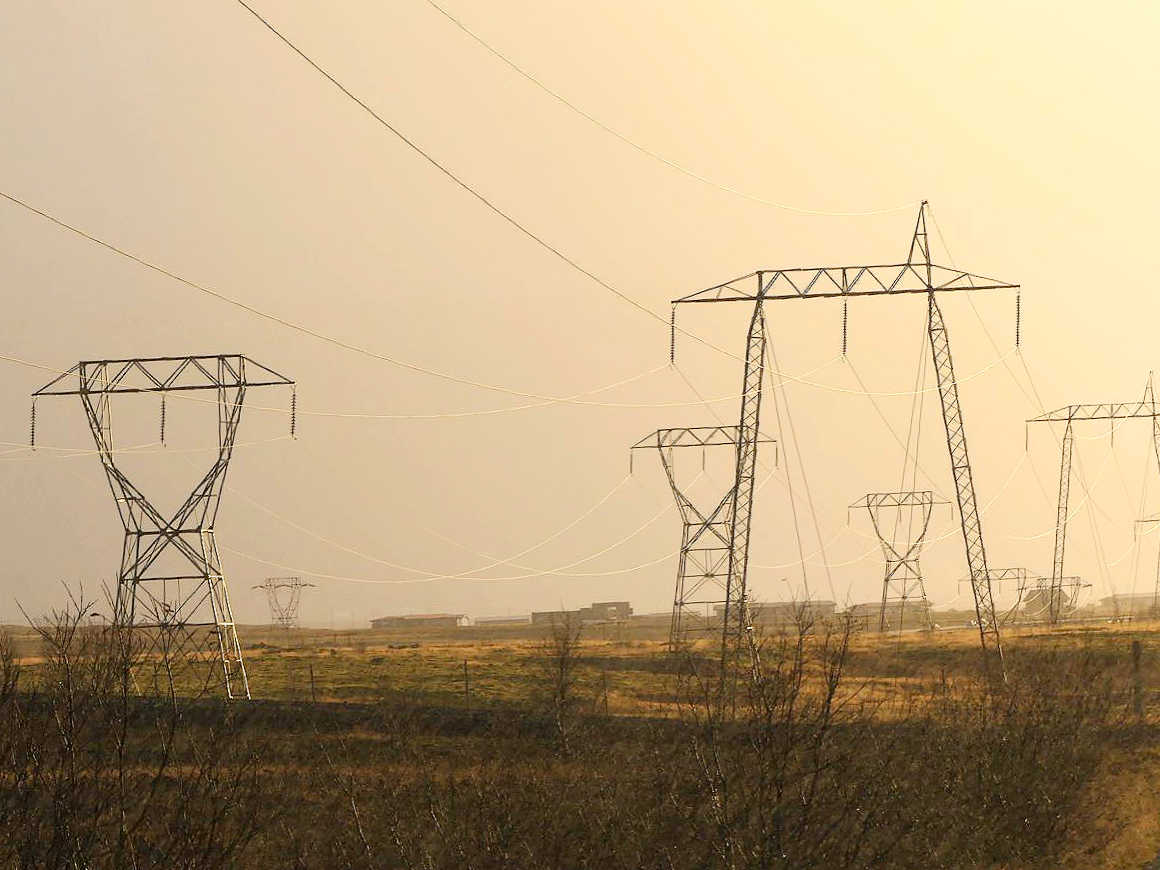
It turns the earth into a place from which technology is the shelter.

It tries to cast light on this place, because that is what it knows. There are ways.
 The world may not be approachable by language, but it is still there. In it, even water is light.
Even light is water.

Out of the loneliness where there are no words for such light, Icelanders snuggle into the dark and write novels. Then they live in them. Sensible, really. A defensive strategy, although a bit transparent.

While they are at it, they invite foreigners to meet the old world of this book…
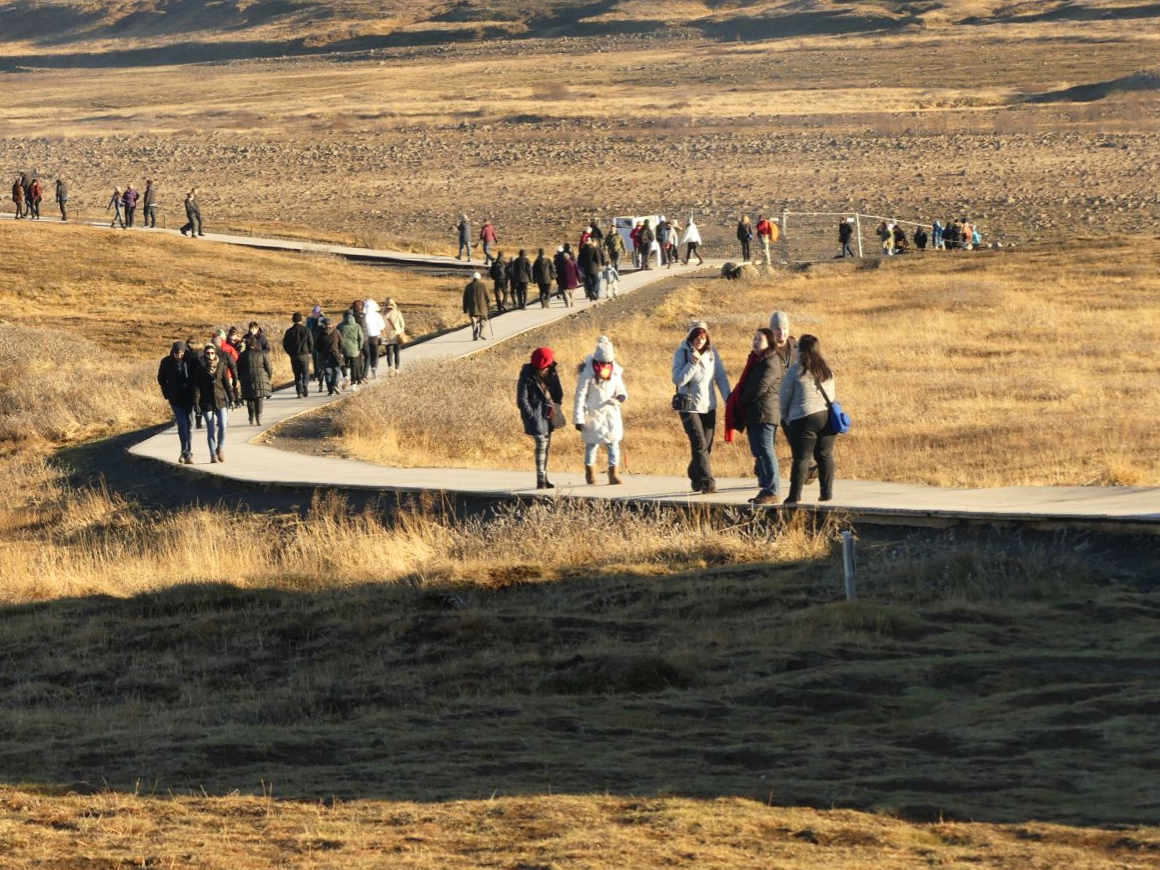
… for which they have no words except some old manufactured rubble they read in novels: nature, beauty, wonder, the old carny shows. It is enough, though. It is sweet honey.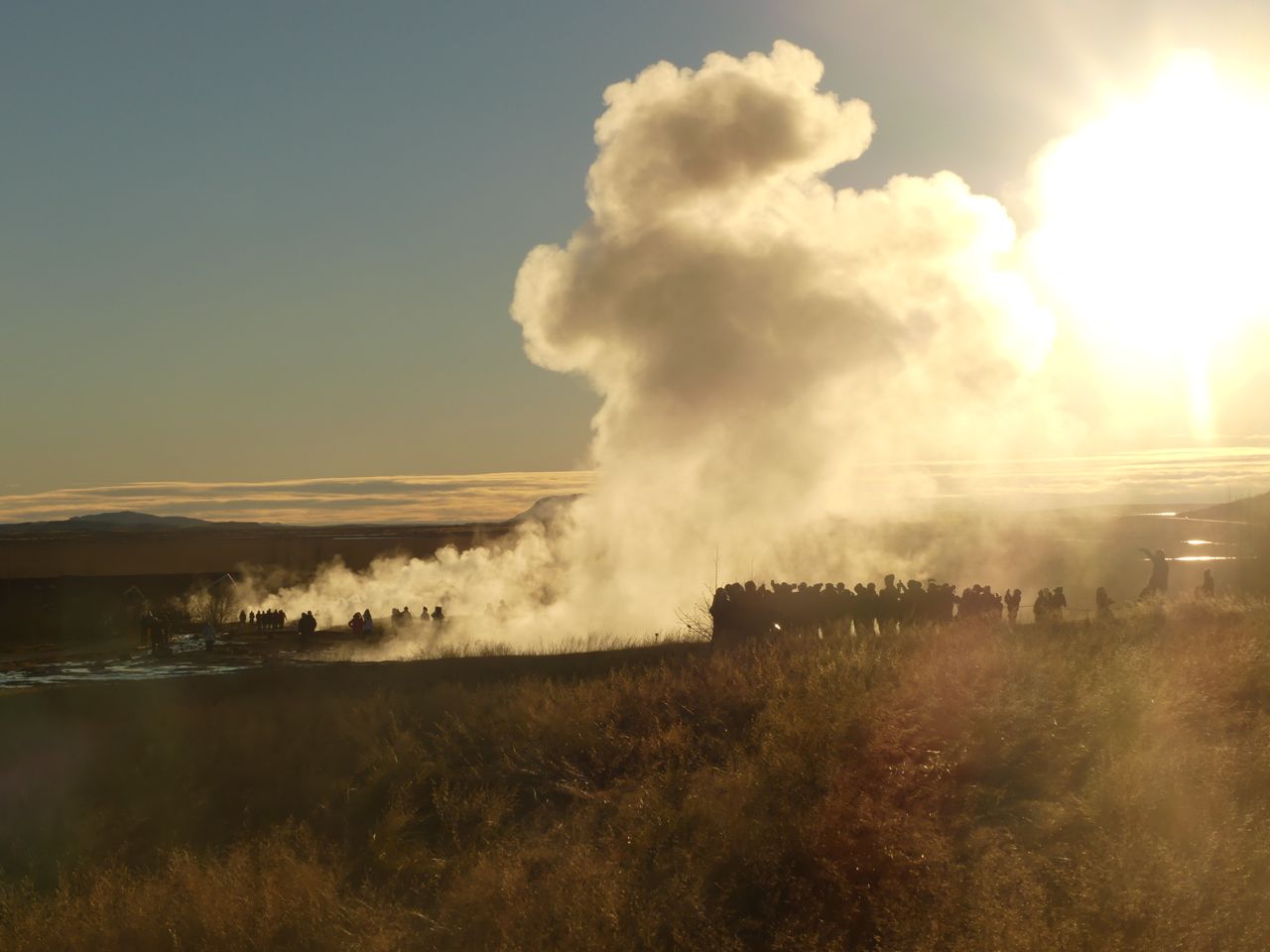
Words like this allow people to come here to meet themselves, often for the first time, between the lines or right in them.
While Icelanders wrestle with batteries in the mist then give up and go in for a cup of Nescafe.

The mixing goes on, regardless. It braids old battlefields …

… and old shores of grief and shipwreck …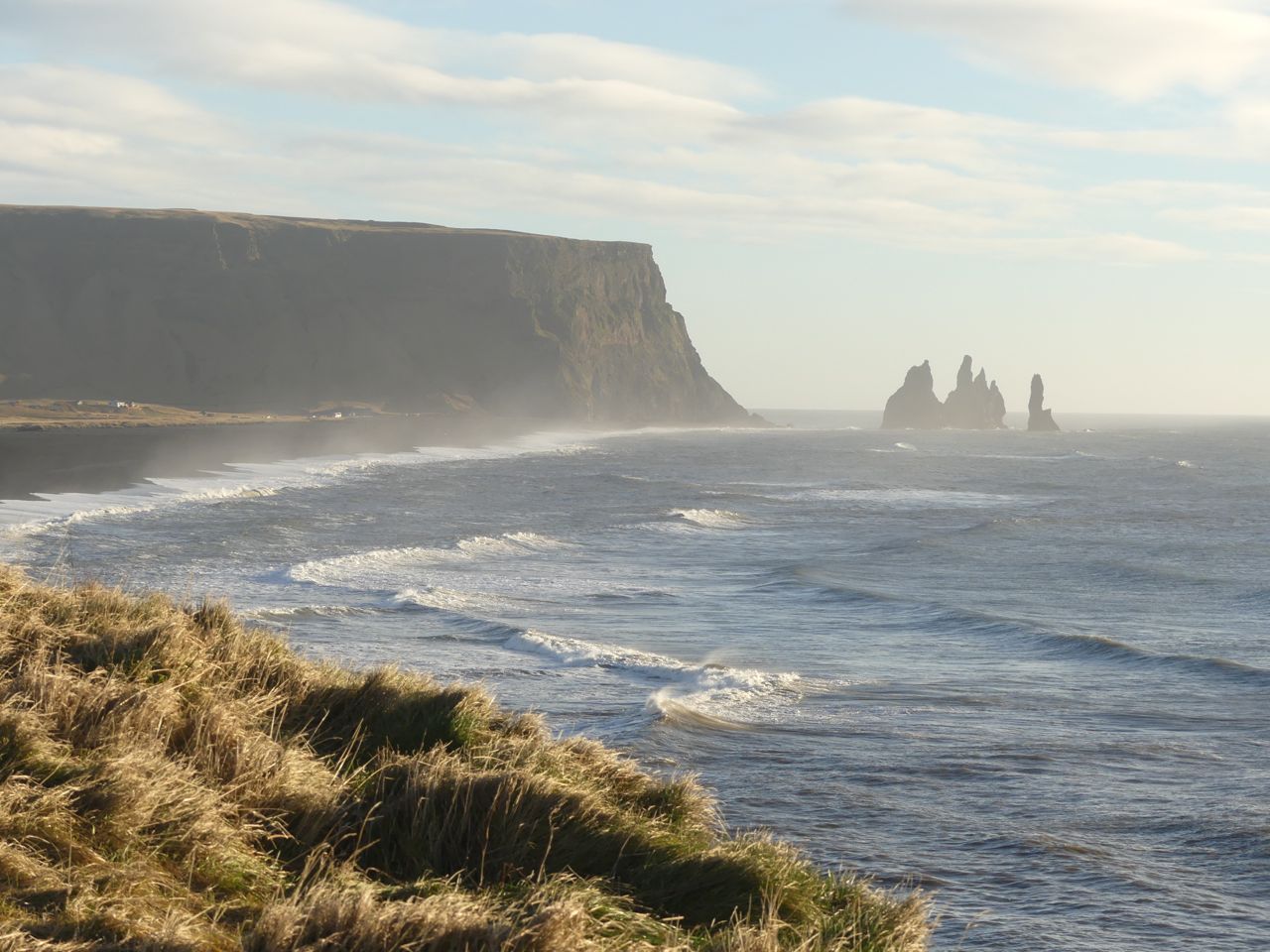
… into that place where the only difference between sea and sky is not made by land but by wind alone and the human capacity for being present in the wind.
Here a man is wind. If you want to speak with him, you will find him there in the ruins of what can no longer be spoken: like a collection of Grecian marbles in the British Museum.
 The image above and the image below are the same.
And again.
And again.

They are all books. Look at them shouting for attention.
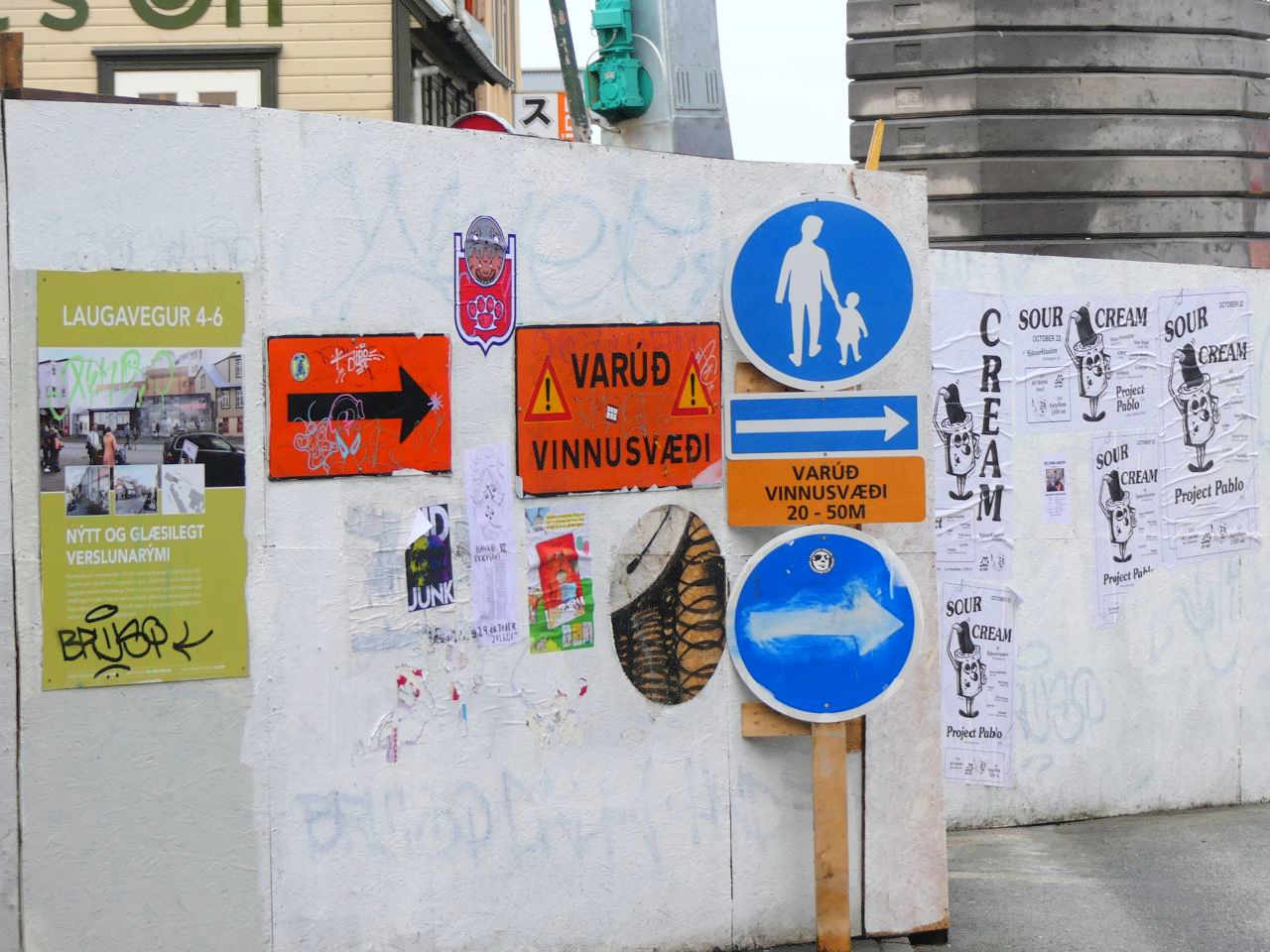
There is, however, still a world.

It’s not what we think. Let us dare to use the old word again.

The one the eye sees before the mind.
Here are some poems that the land wrote.
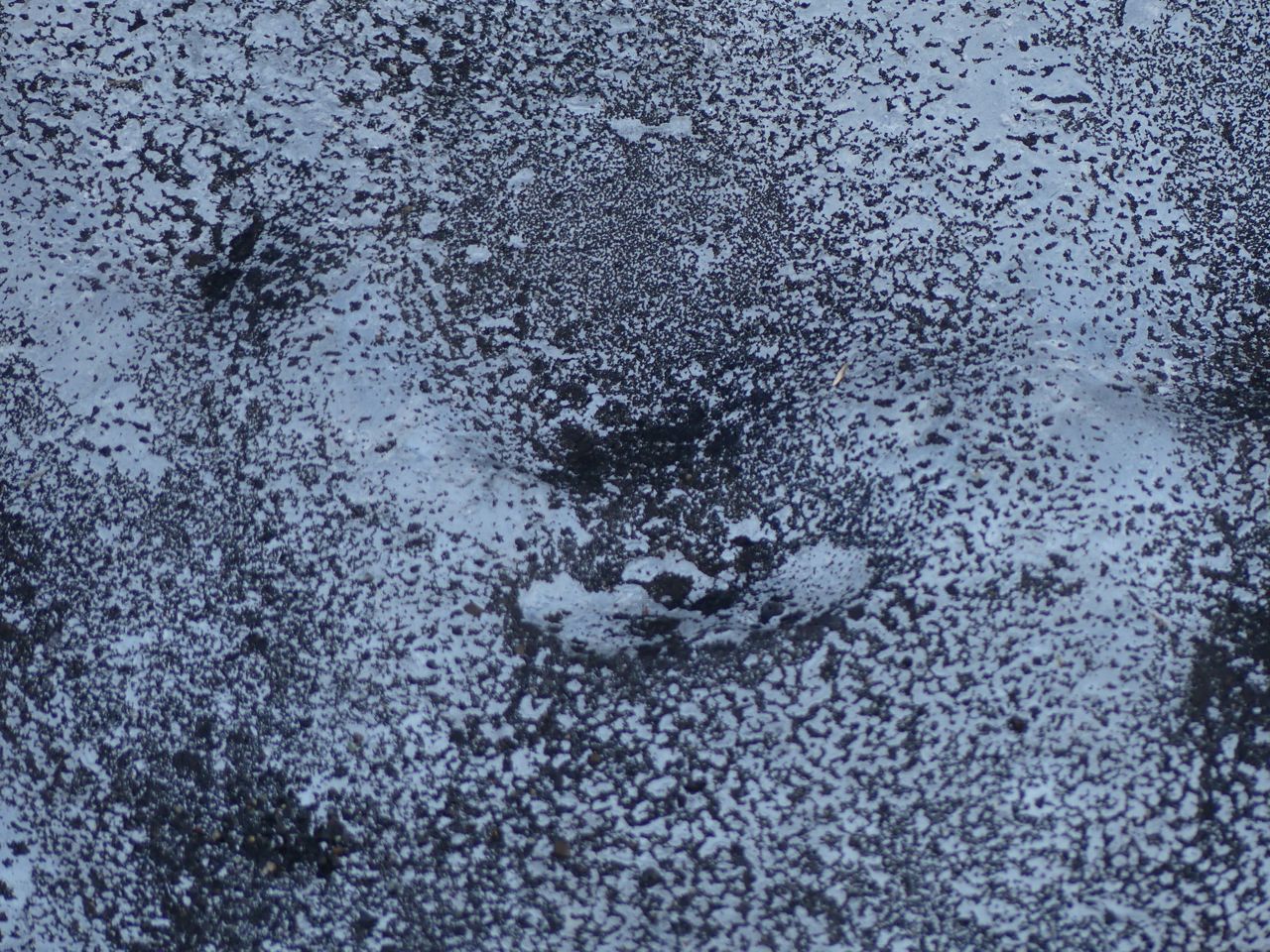
The land reads them, too.

Even the sun reads them.
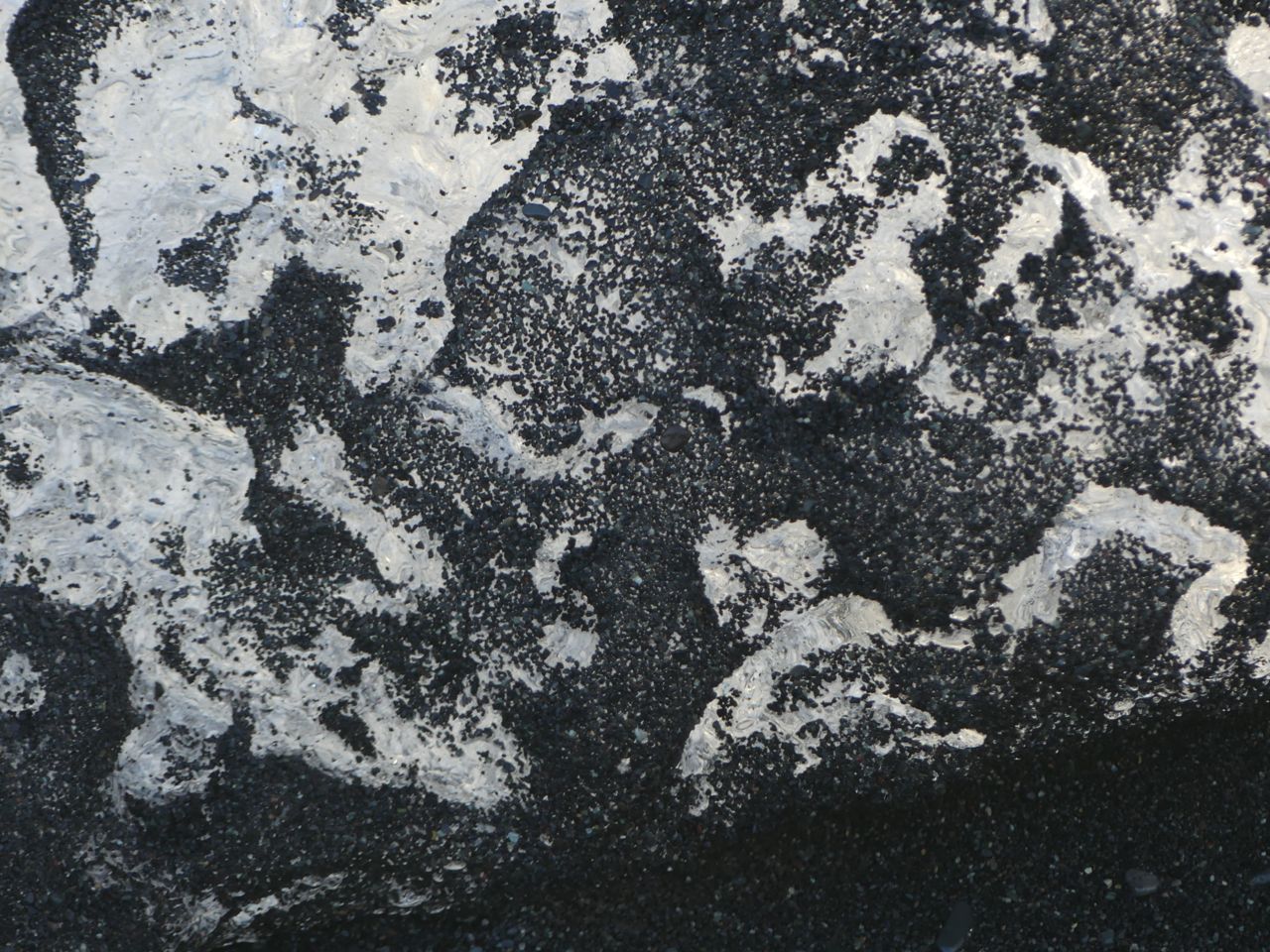
It helps with the writing as well.
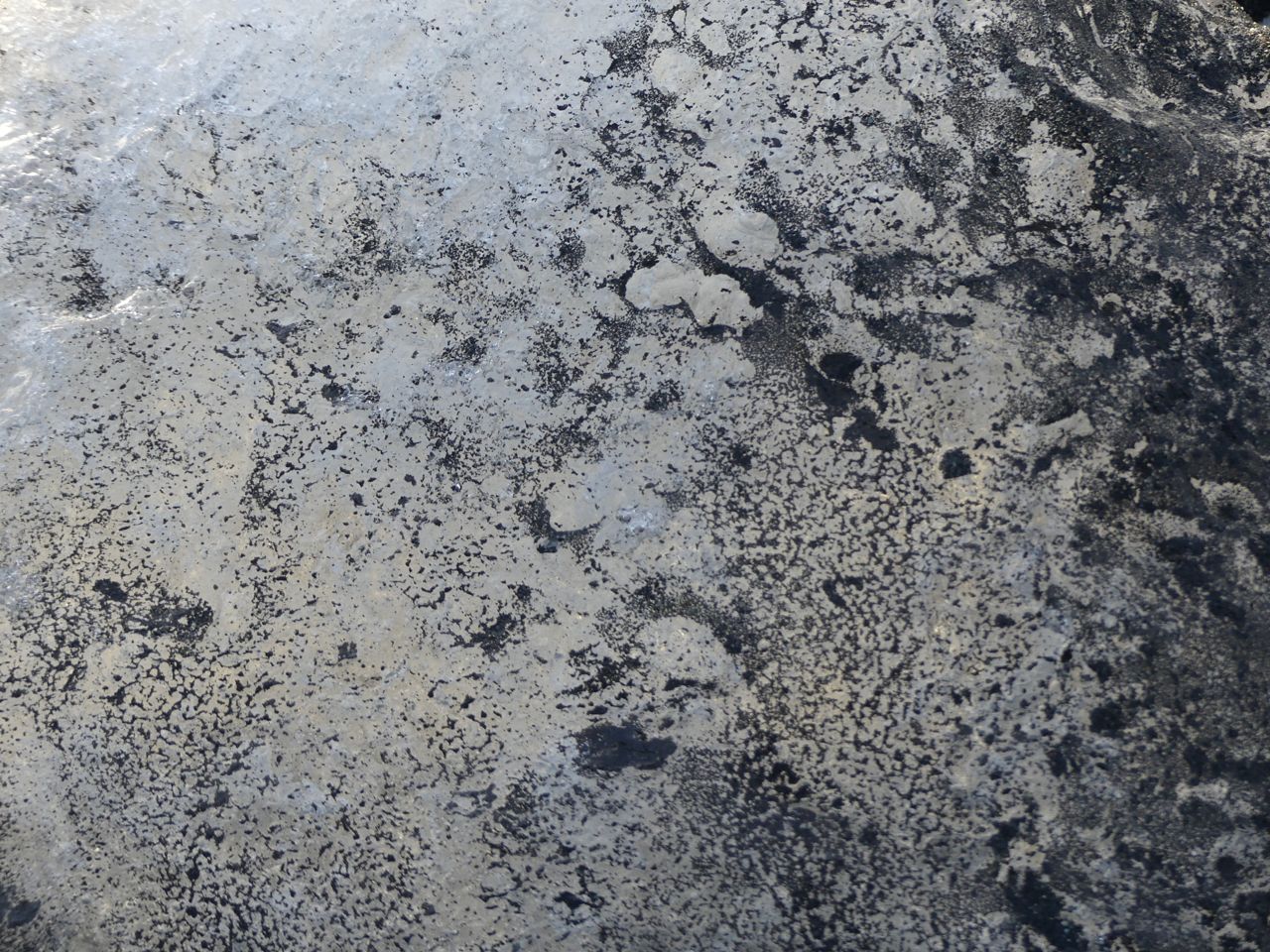
It is best to consider reading and writing as the same act.
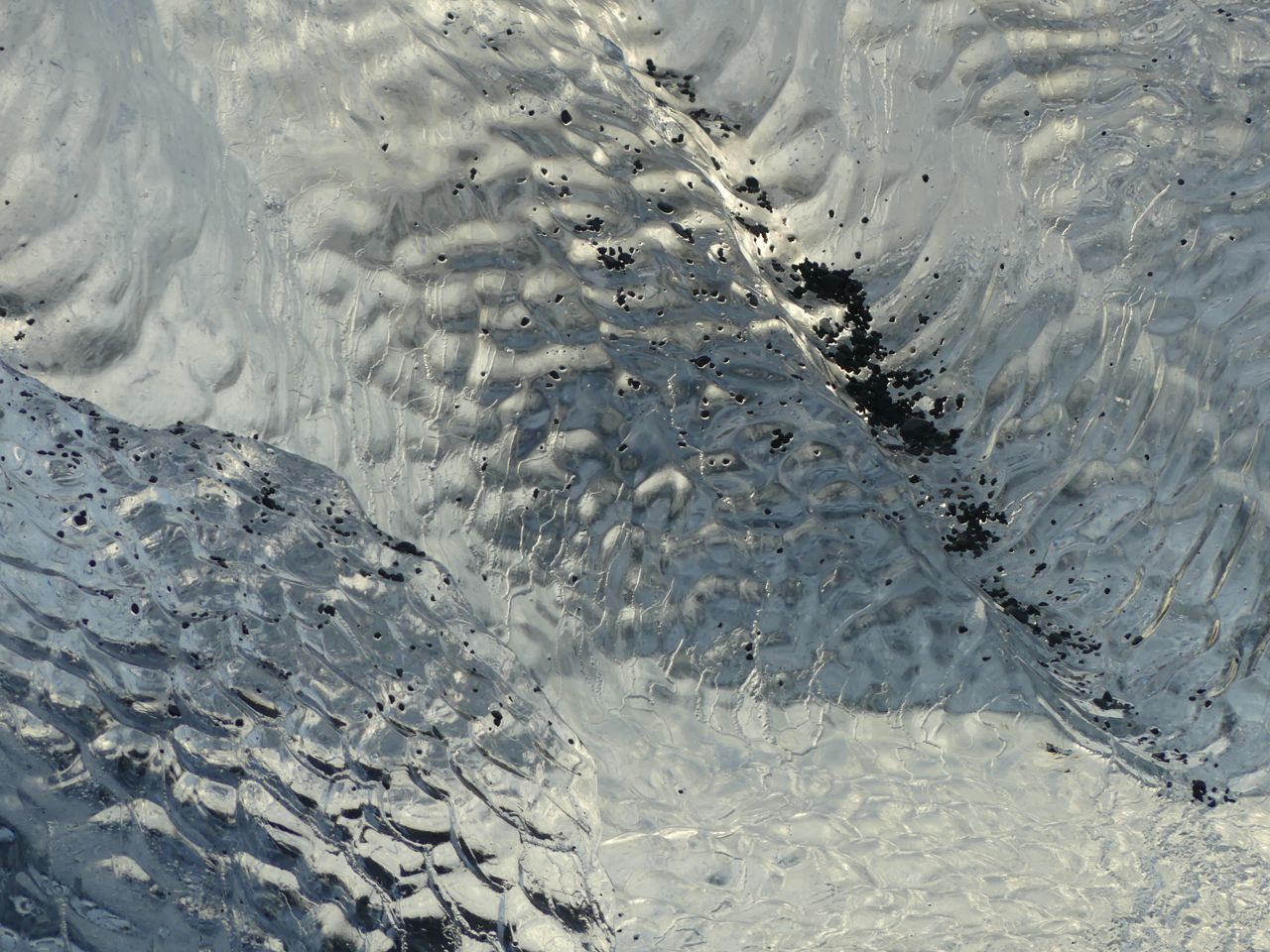
They happen simultaneously.
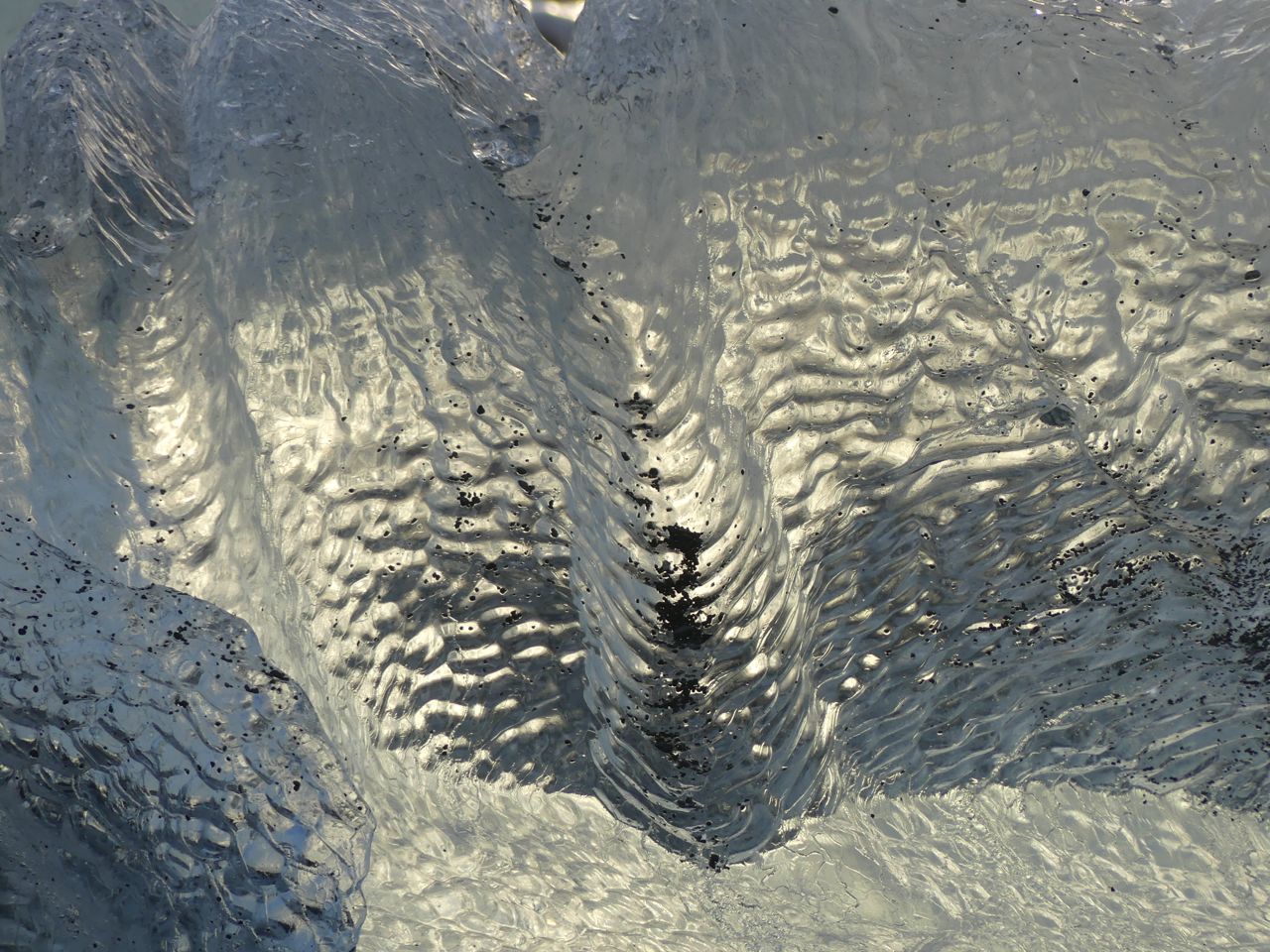
You have the capacity to read along.
You could call it a map, if you like, for a voyage.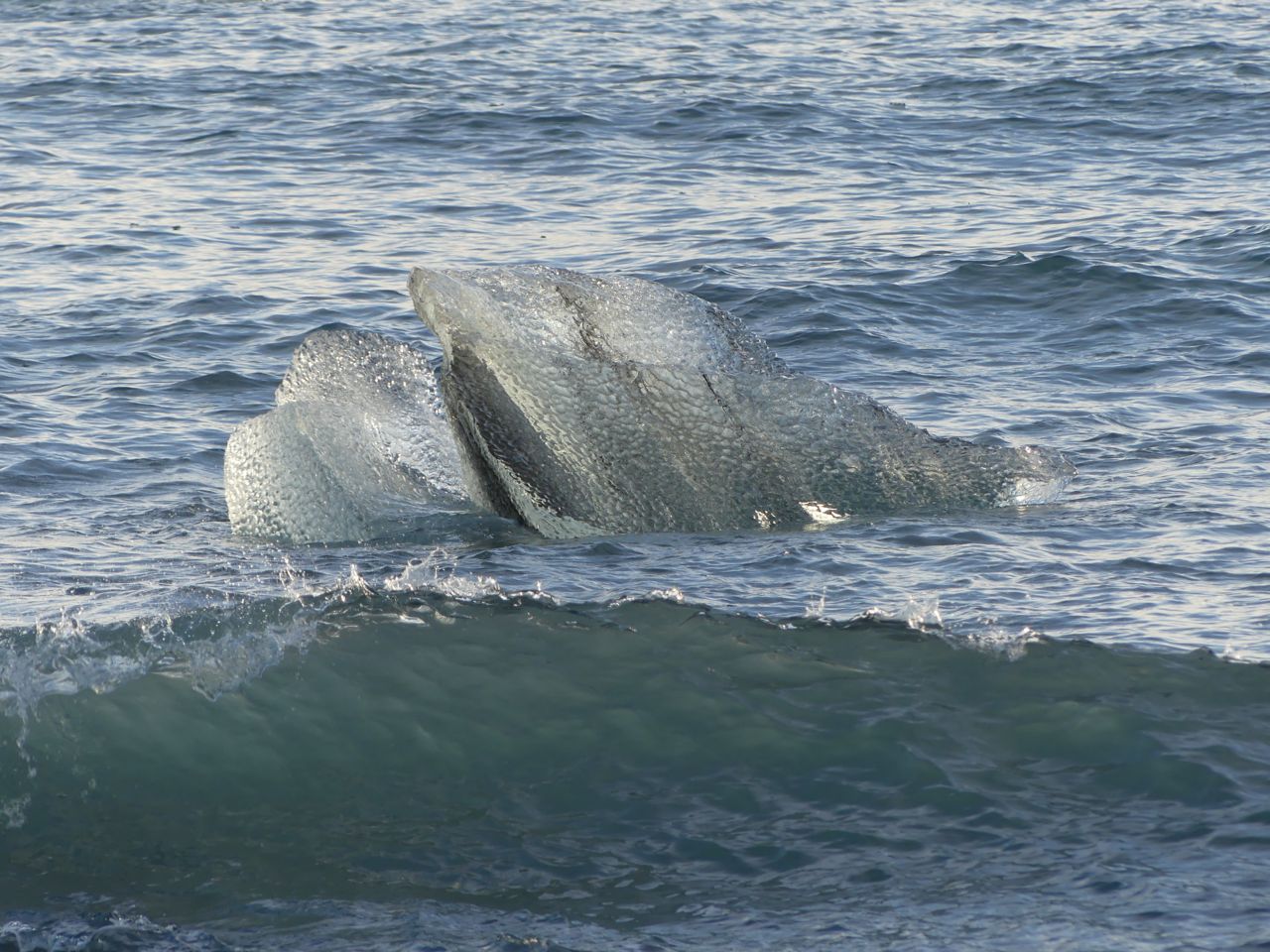
There and back again.
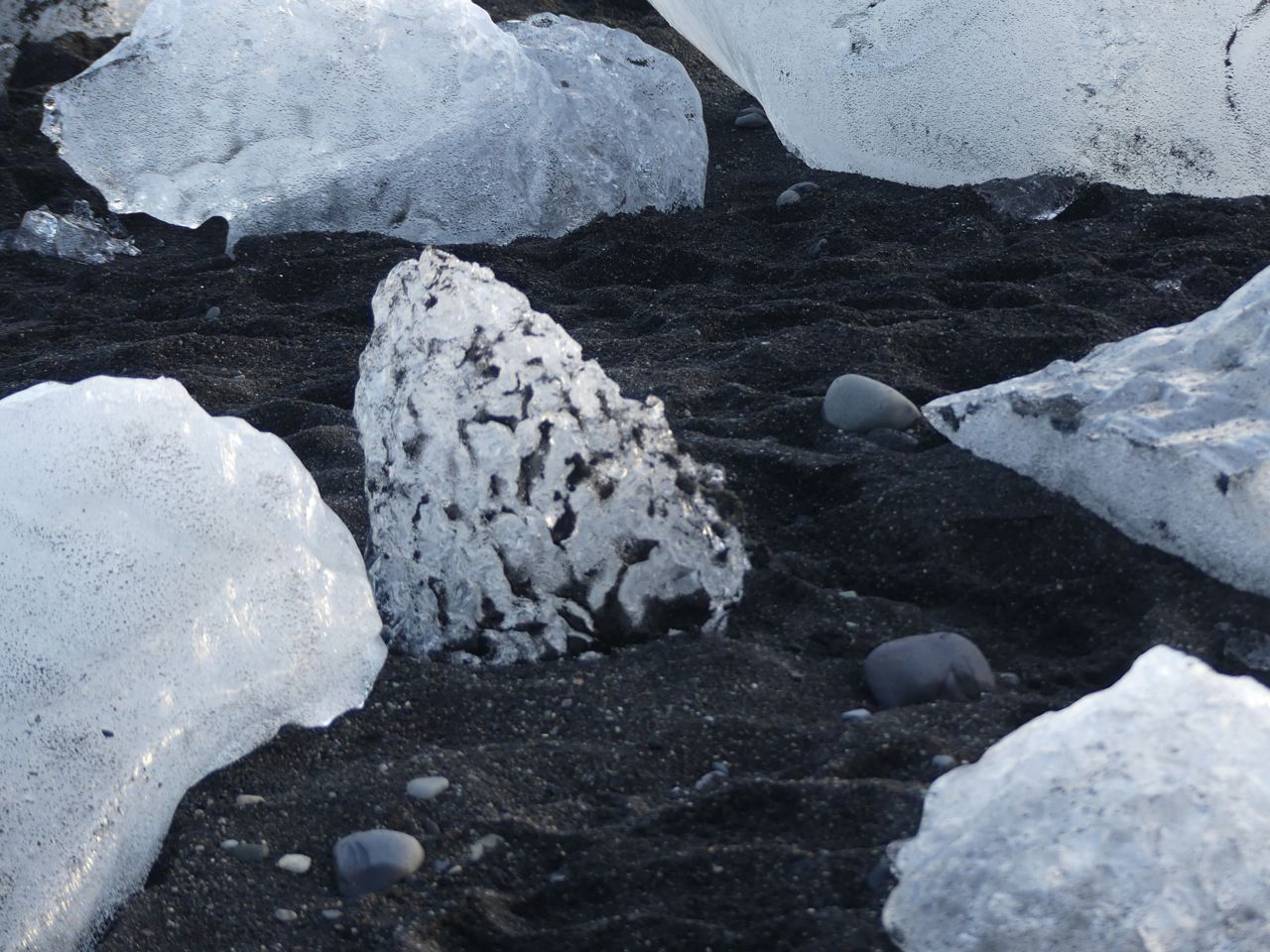
Jökulsárlón
Now for a novel.
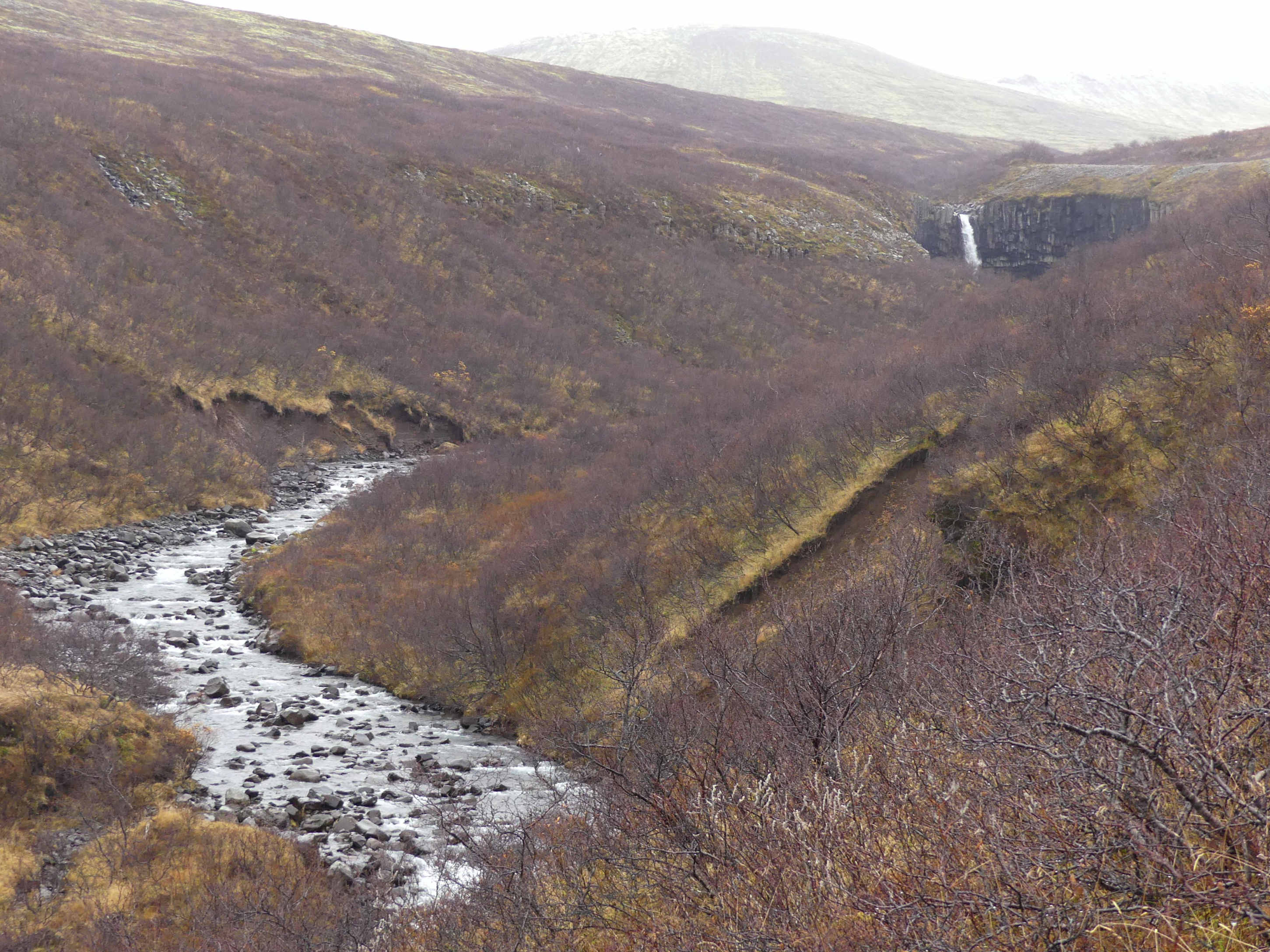 Svartifoss
Solar power in Thingveillir.

9th Century
Solar power in Reykjavik.
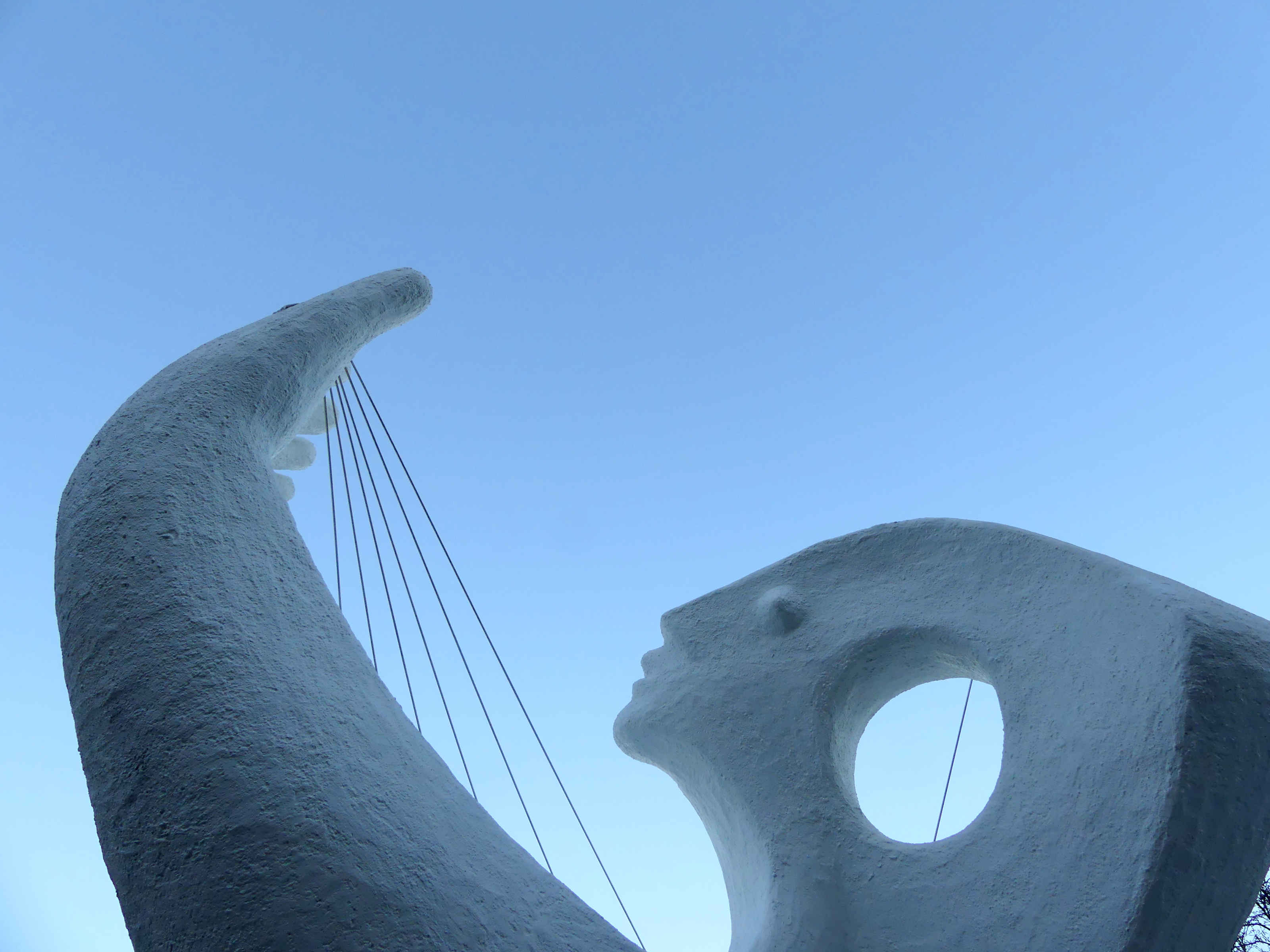
20th Century
Solar power in Melasveit.

21st Century
We may begin.
Just a few metres away from a ruined farmhouse.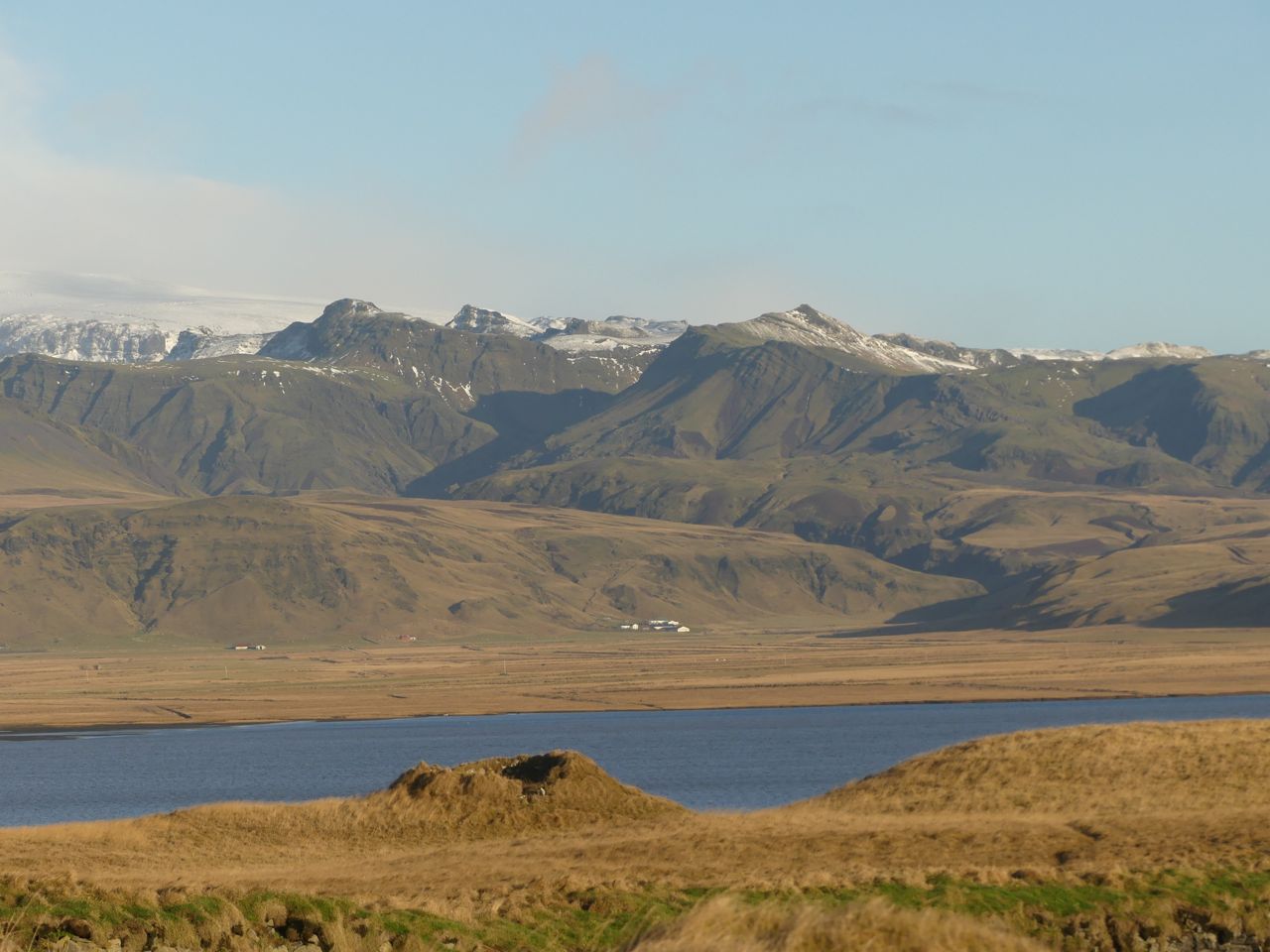
…some people cross the line to make images of themselves…
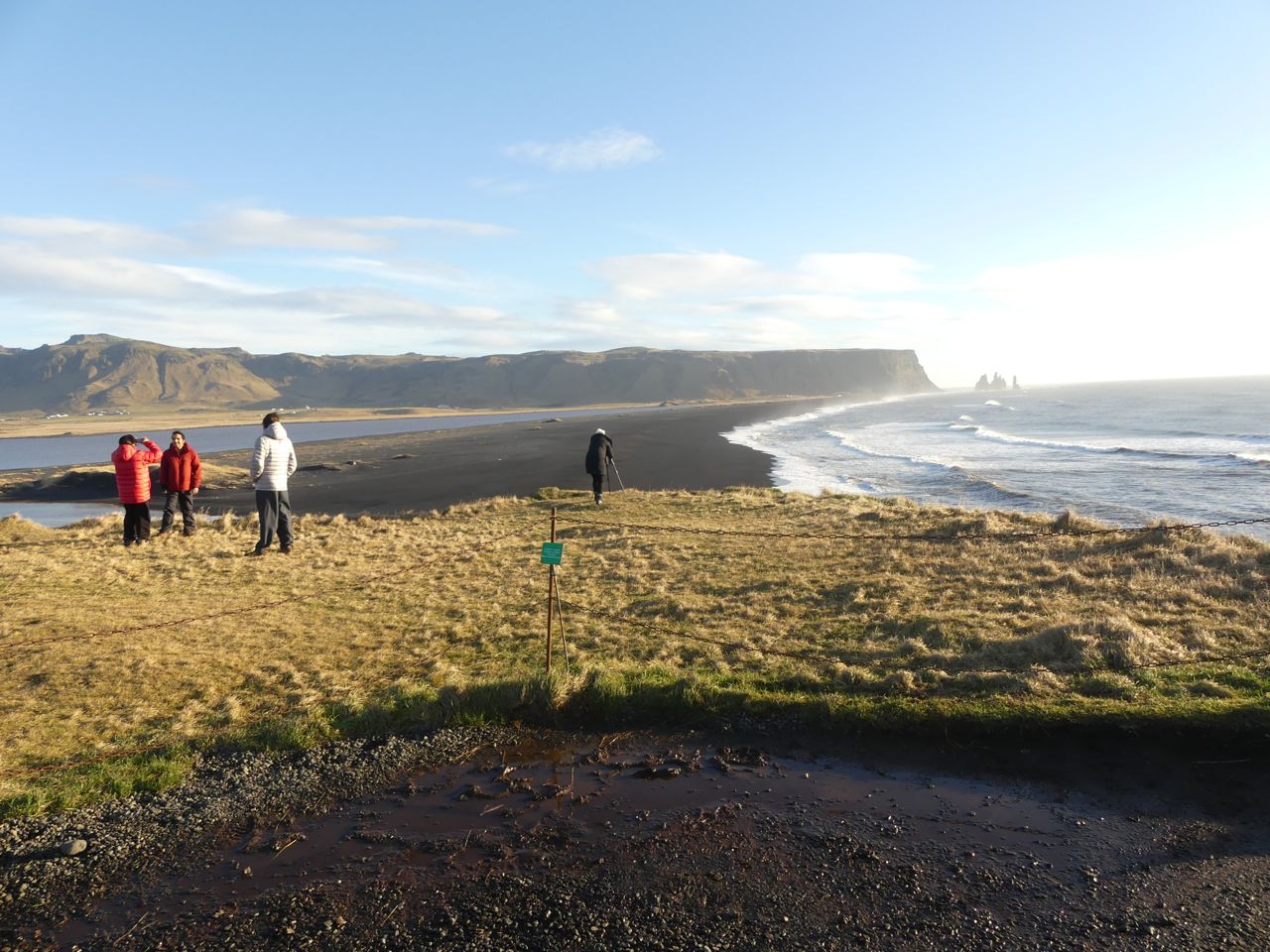
… or of nature…
… but not of how to live in it…
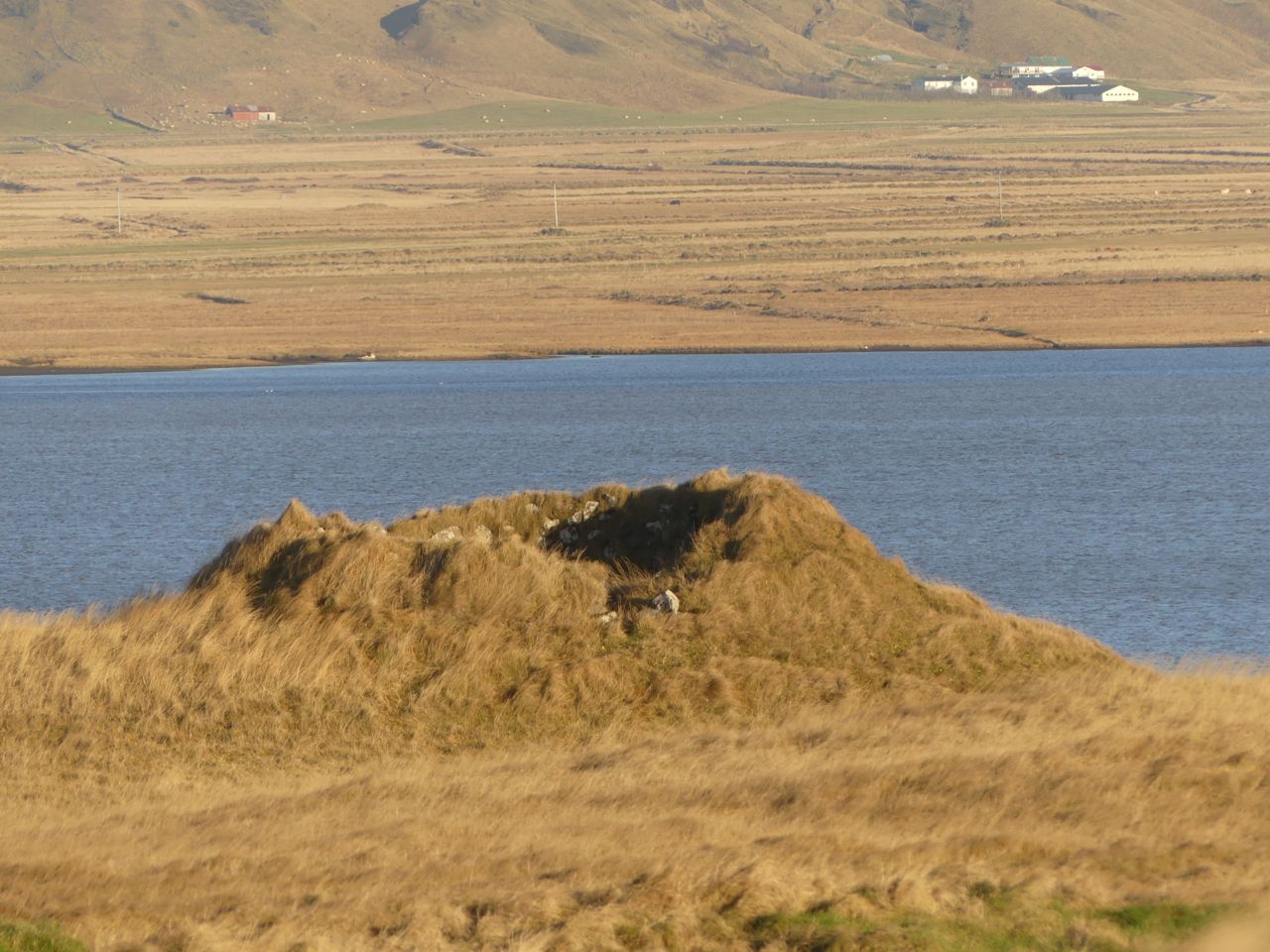
… not of how to be home, or of how that continues when you leave.
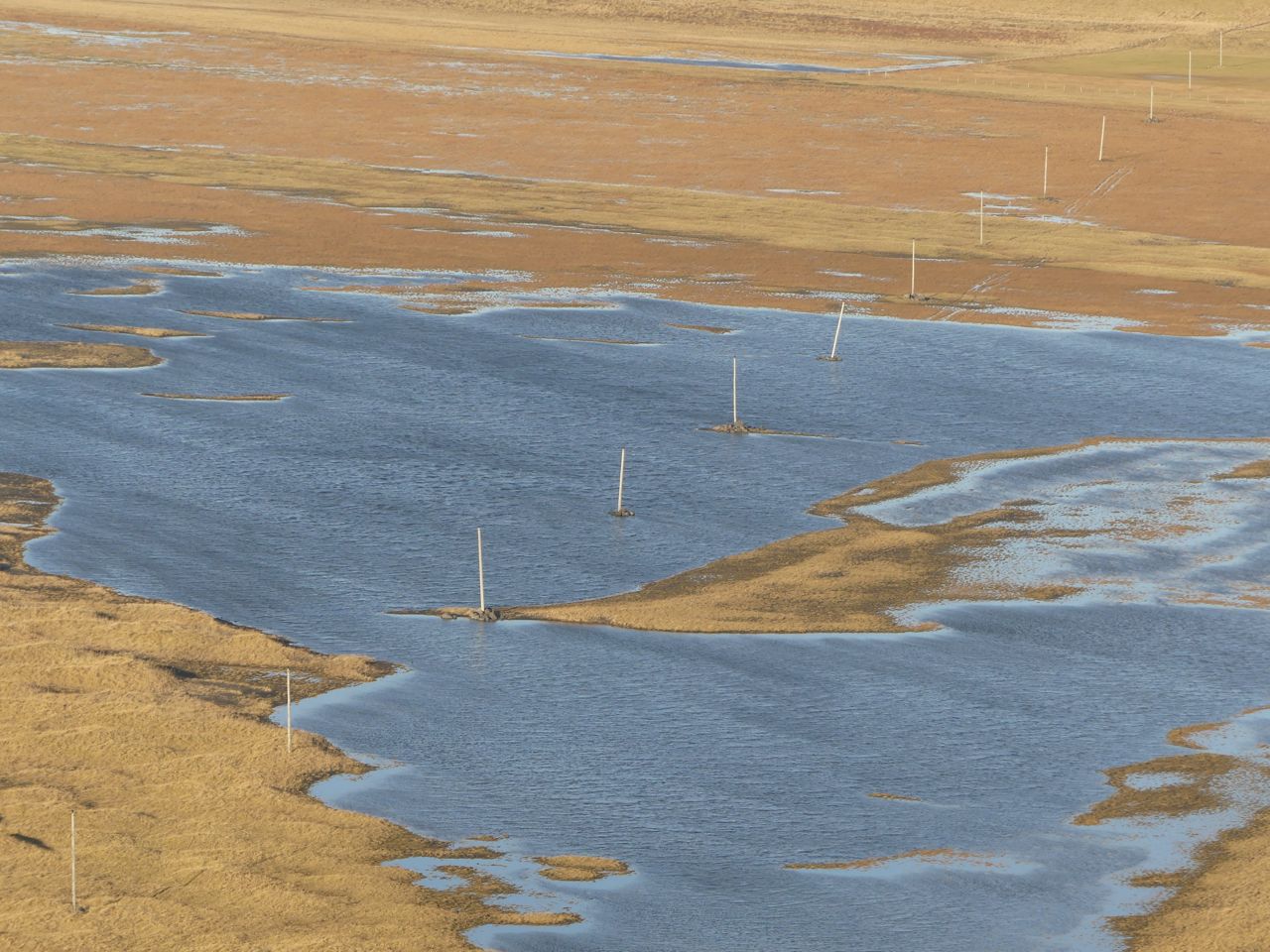
Or of what it means to stay.
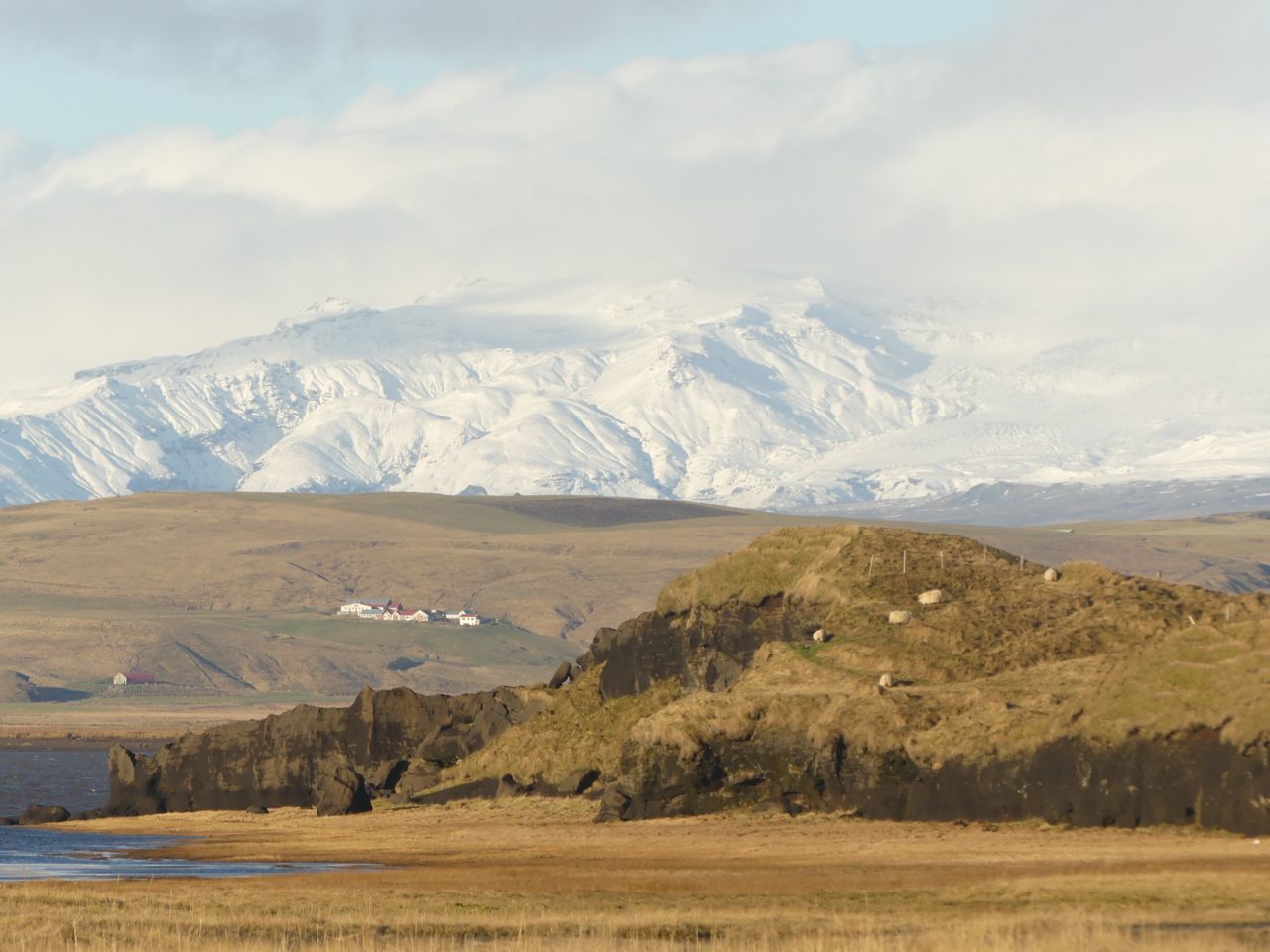
The earth is a social space.

Human society is something different.
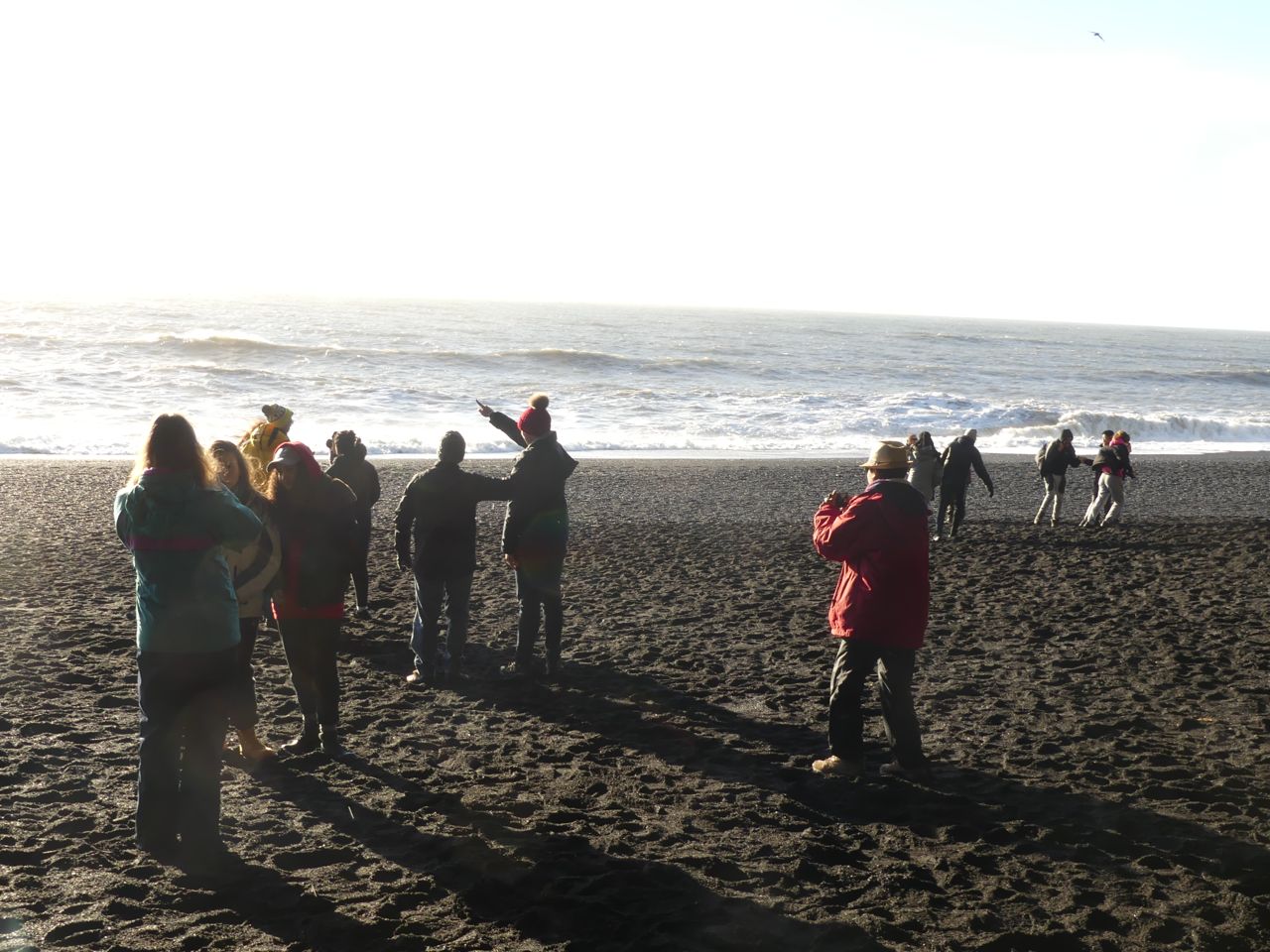
Nature becomes a space of disobedience. This is called freedom.
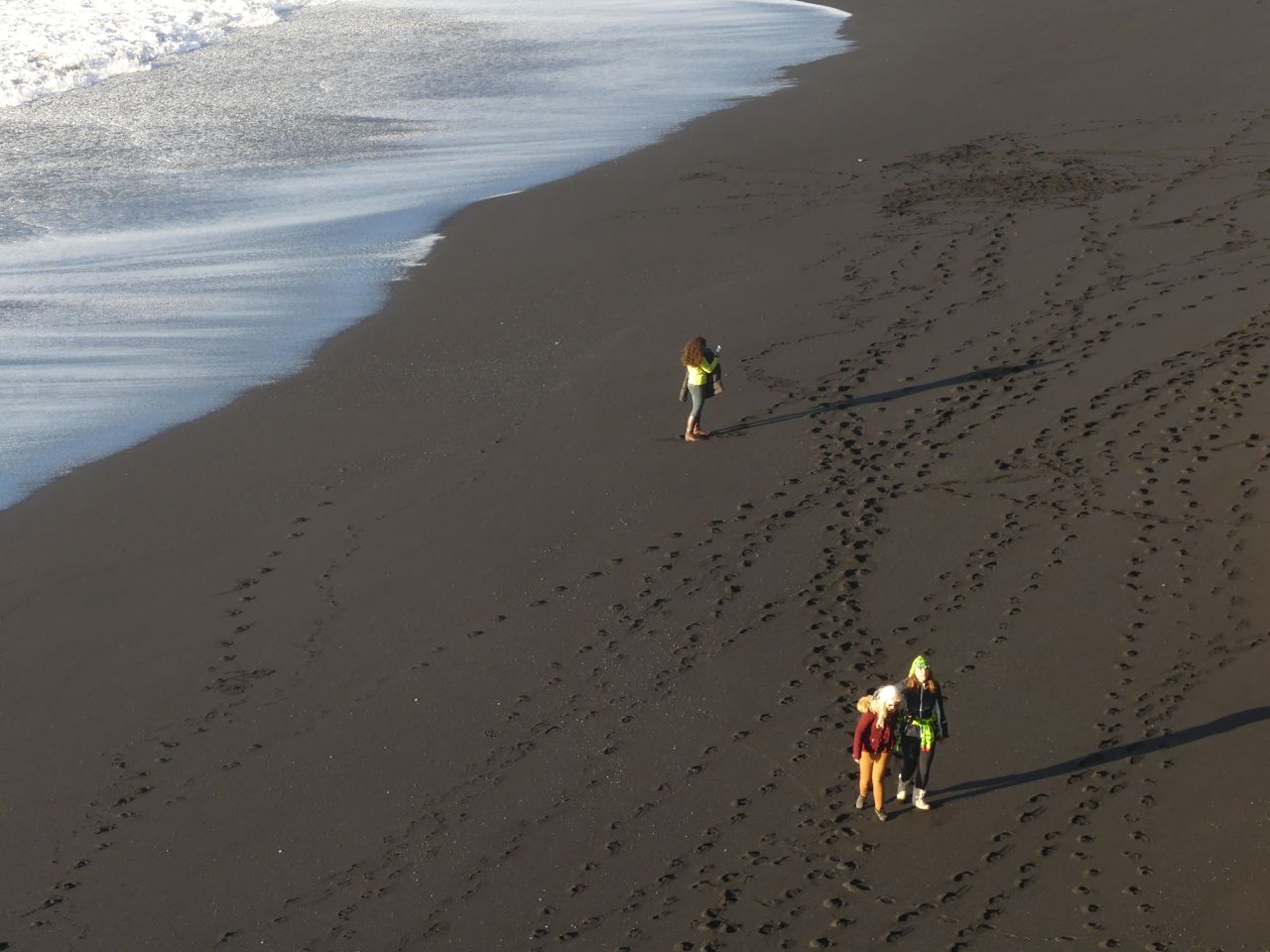
Isn’t it time to go home to the earth?
 When you live there, there is no nature.
 There is a different freedom.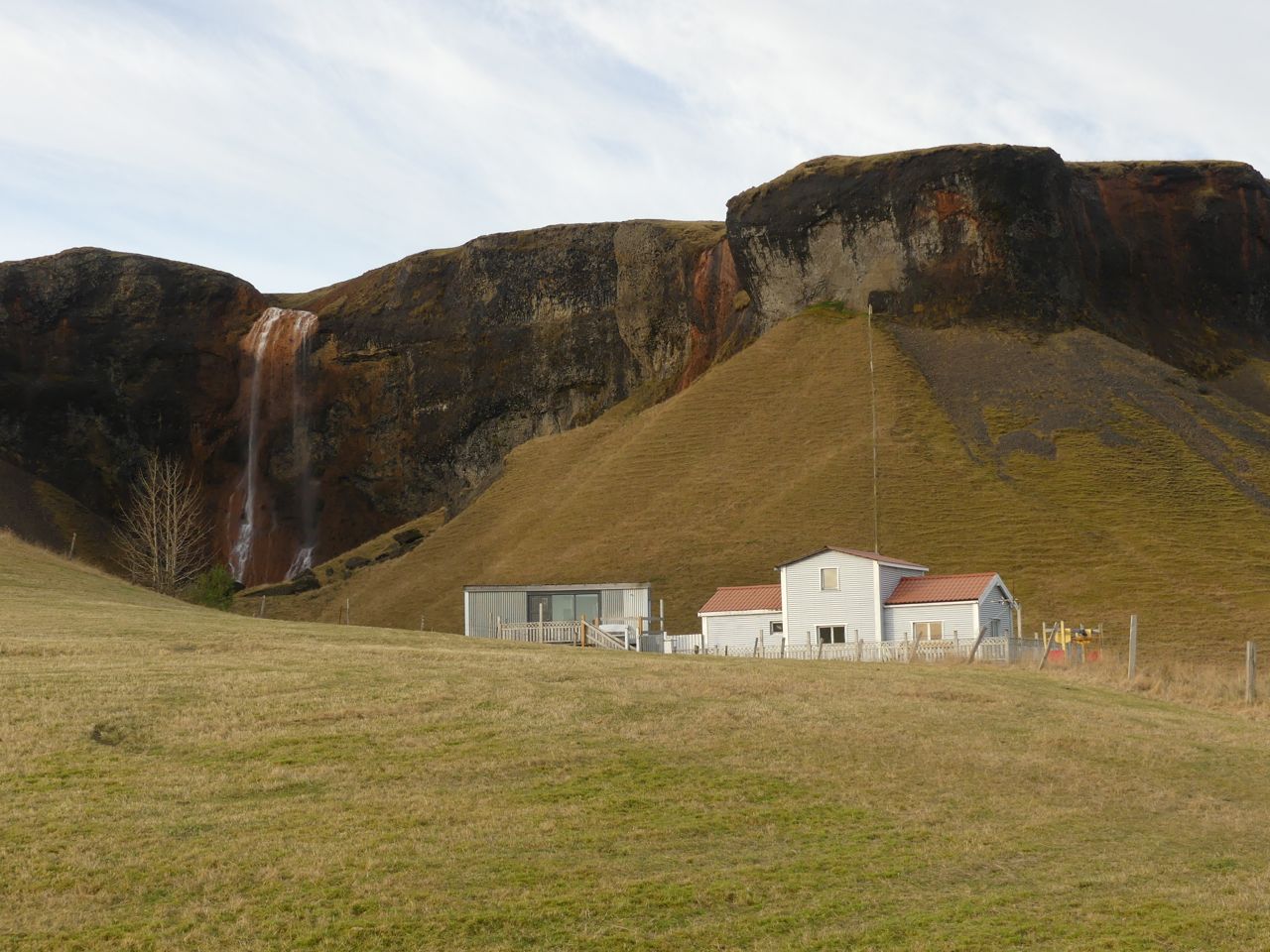
Obedience.
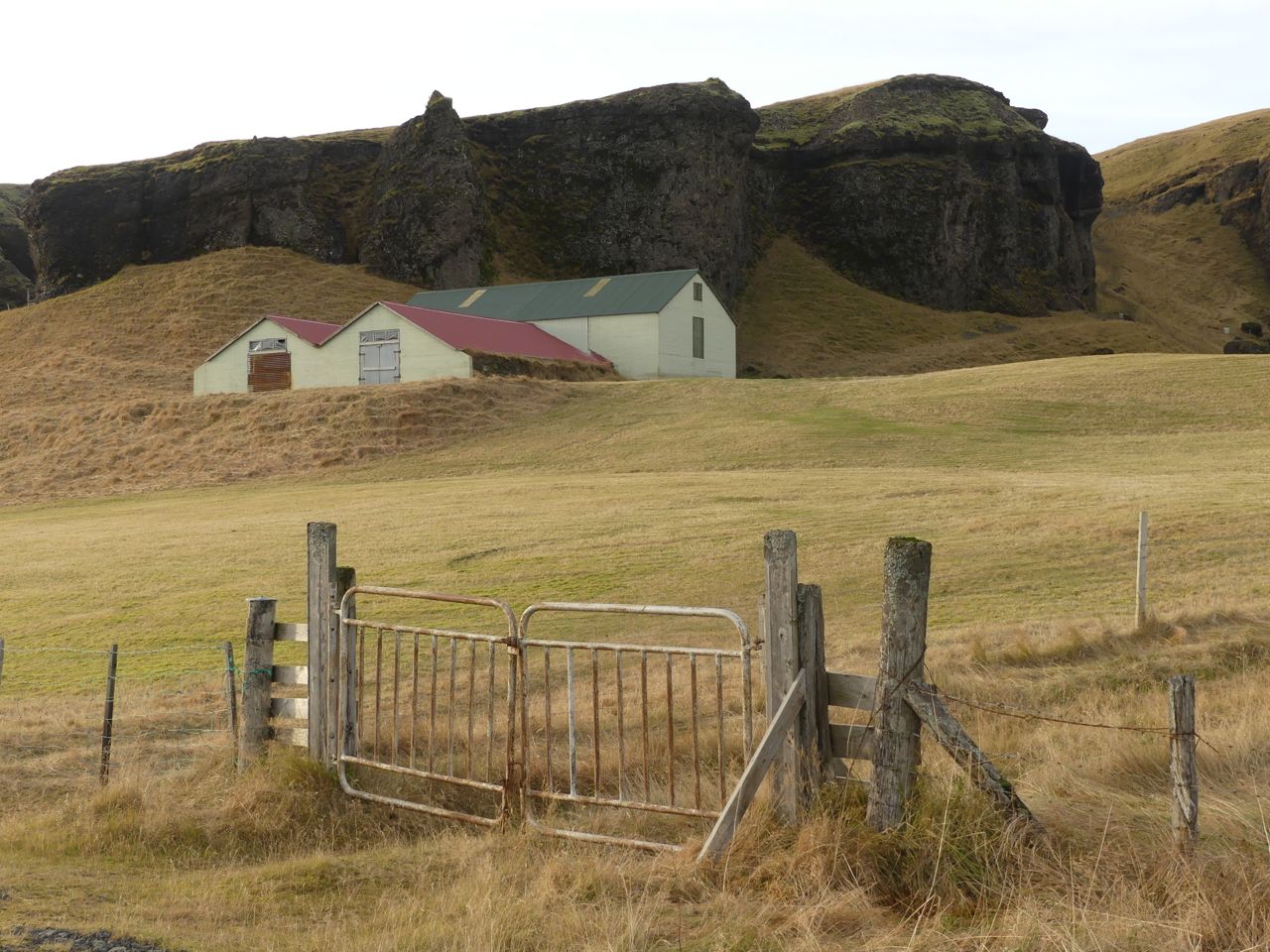
Not everyone can leave for the city.

Waterfalls collect travellers and then let them go.
 Iceland lives off of this desire . Storms are an older form of commerce. They bring kelp, fish and sea wrack through the white ring of surf (or fate) that surround the black land. They also bring light.
 I am learning to walk away from the waterfall. I am not disappointed.
 Every minute, the light changes. I’ve been watching that . By early evening (3 pm), the water flowing out of the land’s pastures is blood
 A gorgeous, non-human blood. Life is an art.


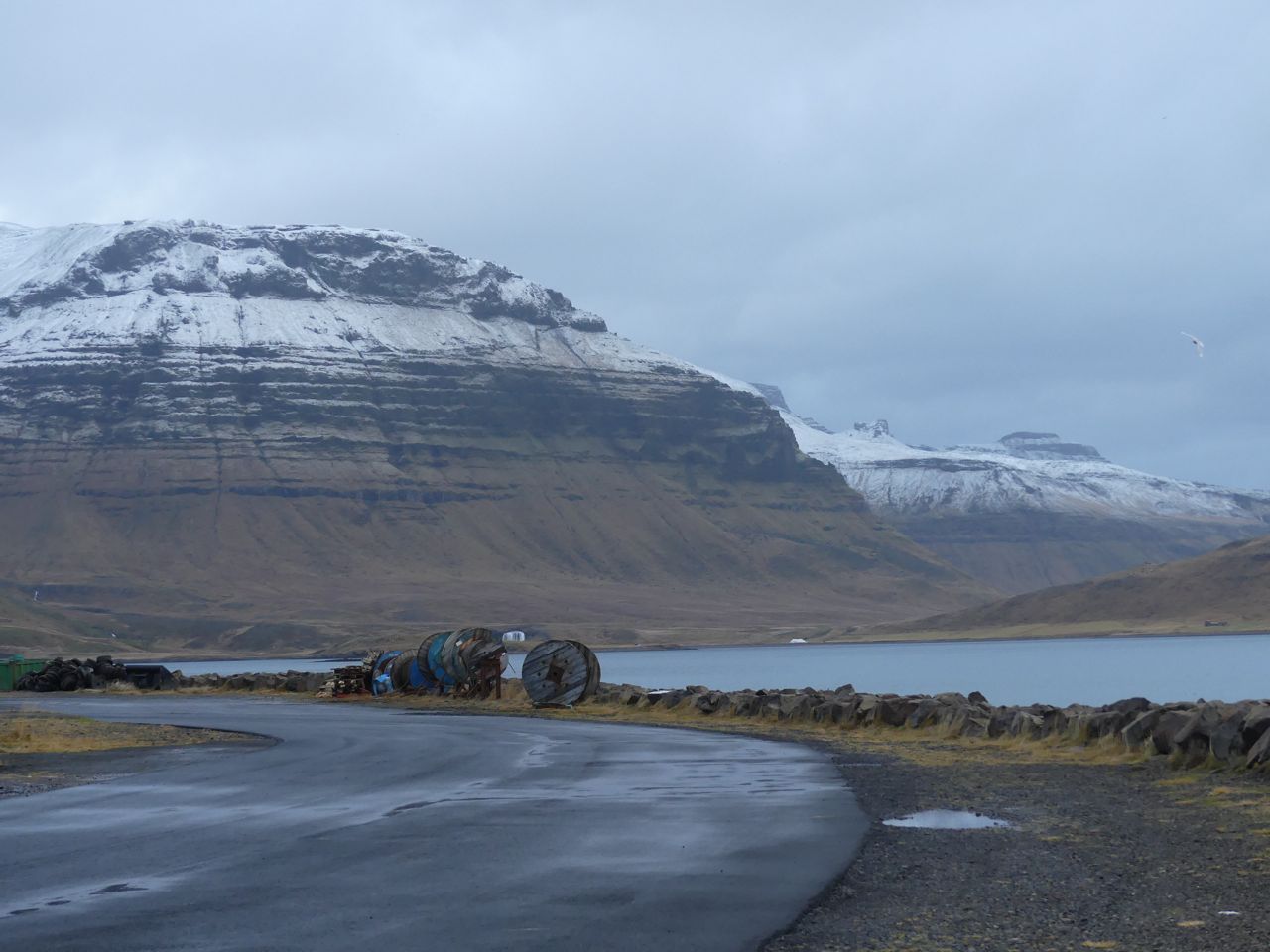
 Nature is a drug that makes us walk past the dark, as if it were not telling us where we live and what is coming to us on the tide.
 A Farm in Iceland