Category Archives: Nationalism

What Every Icelandic Sheep Could Tell You

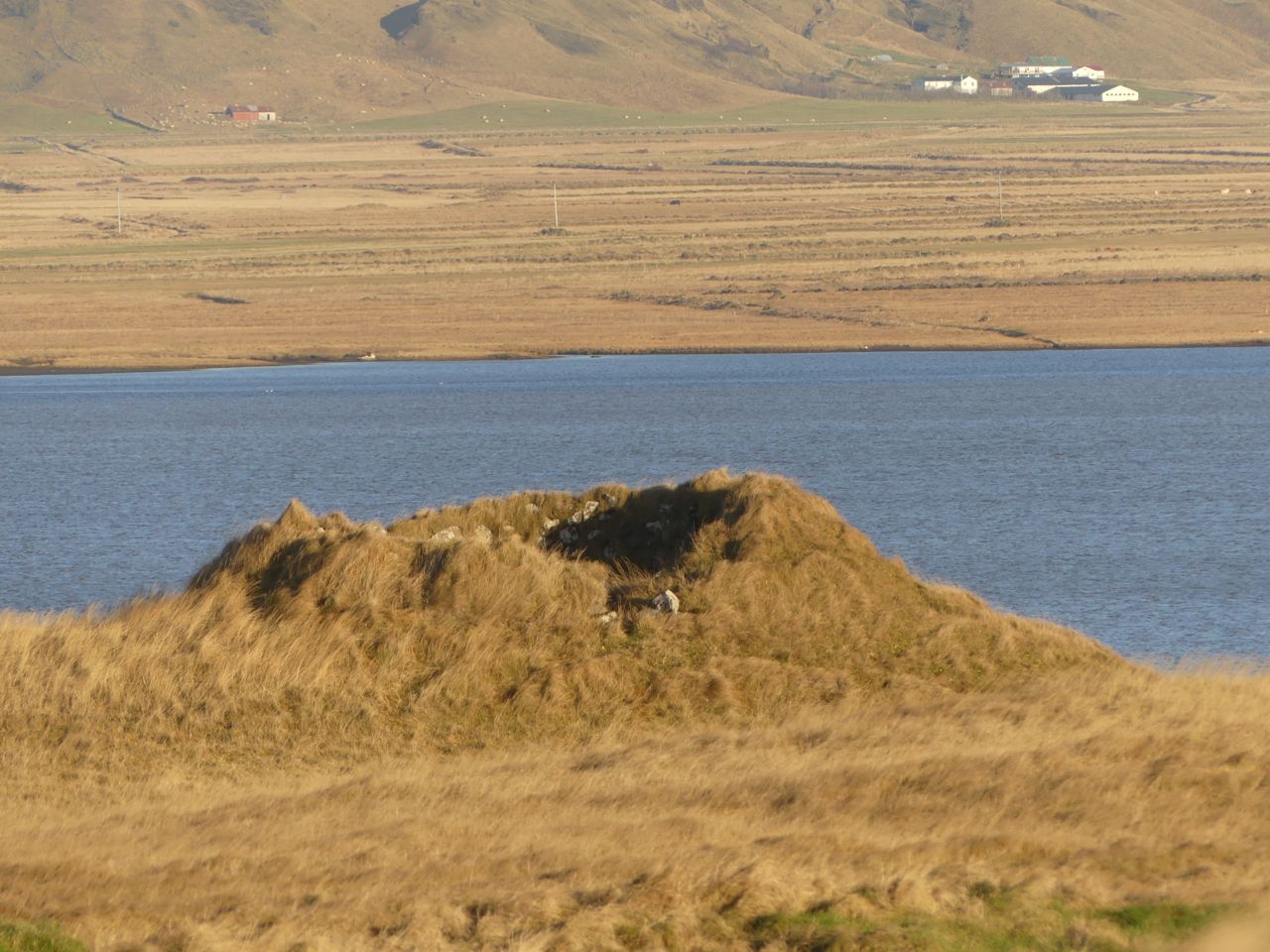
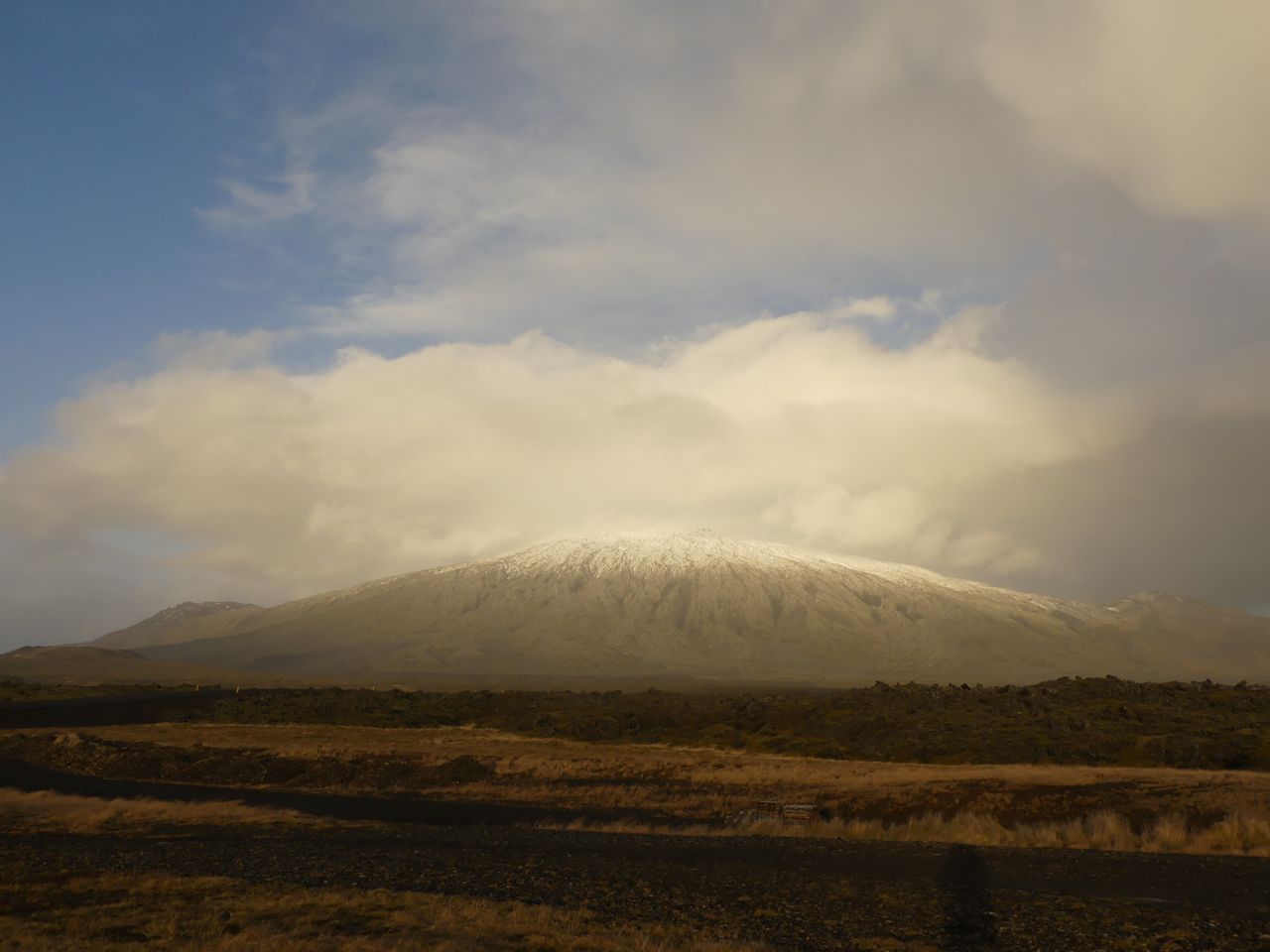
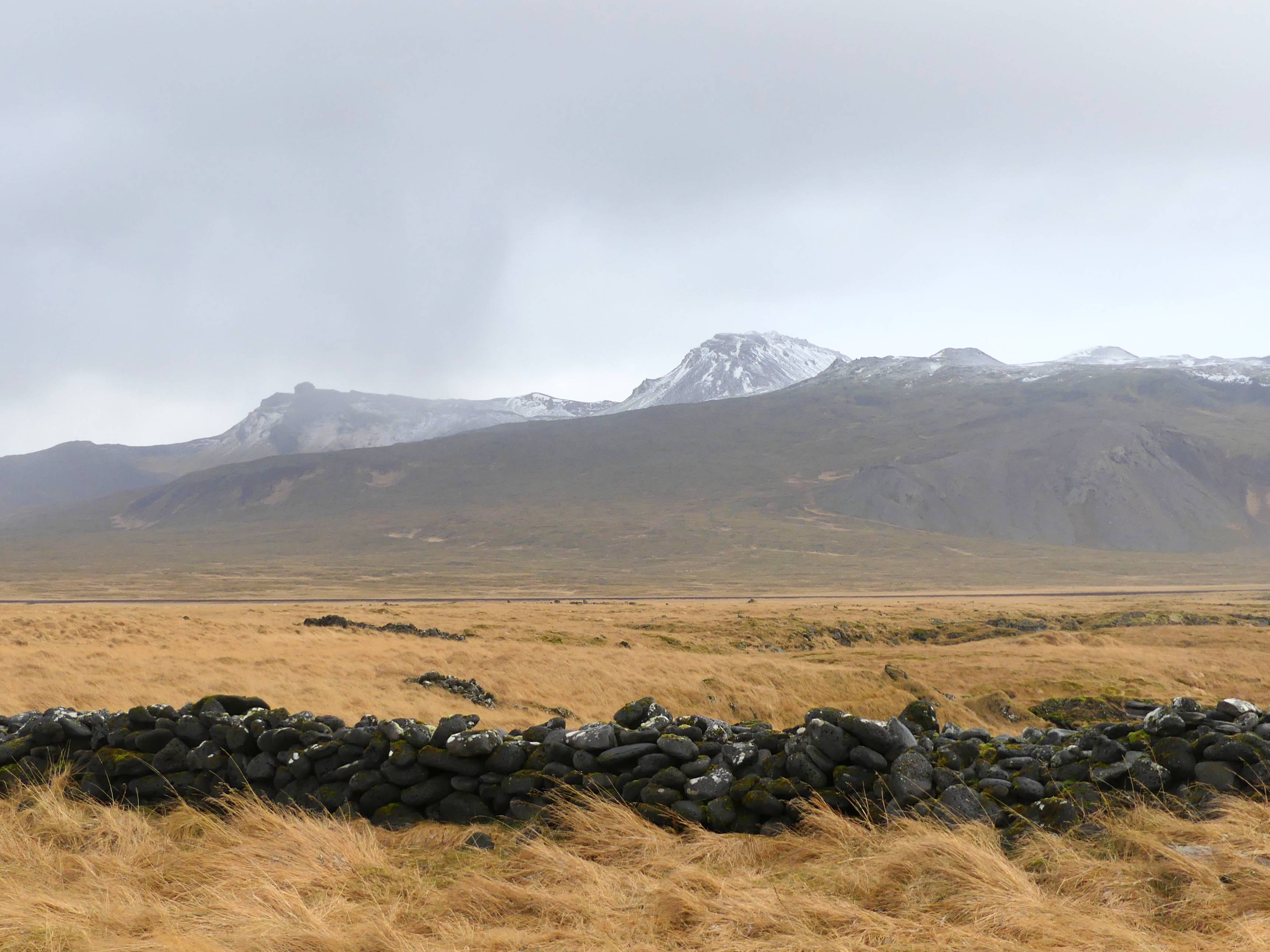
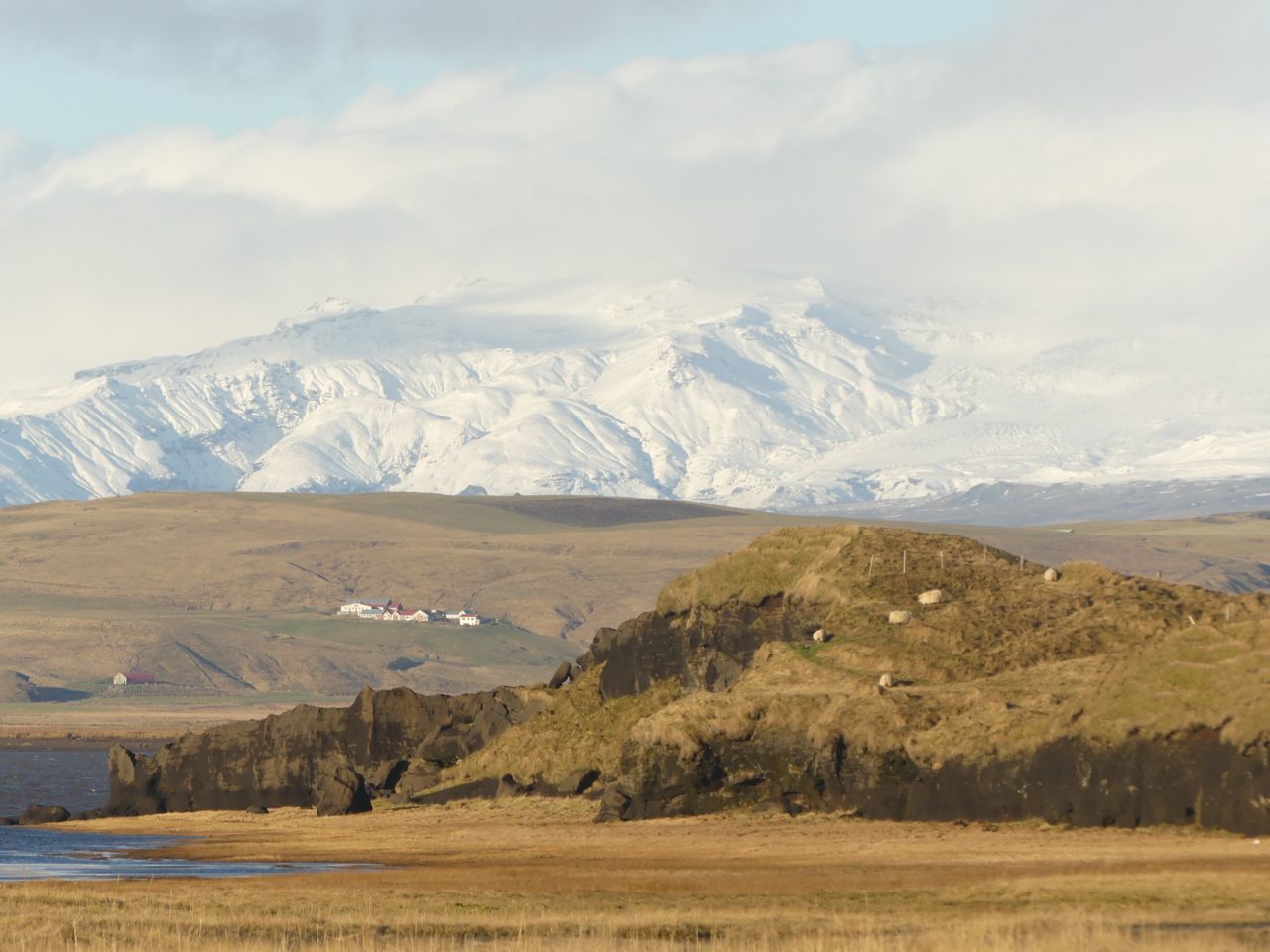
I’ve been thinking about walls. What are they for? For shelter, yes, and seemingly to keep sheep in, or out, but into or out of what? I mean, look at the pastures under the Snaefells Glacier.
p1380546

There’s precious little for sheep in the neighbouring pastures below, and any shepherd is likely to break a leg stomping after sheep in this stuff, and why? There’s as little grass on one side as on the other.dritvikwall

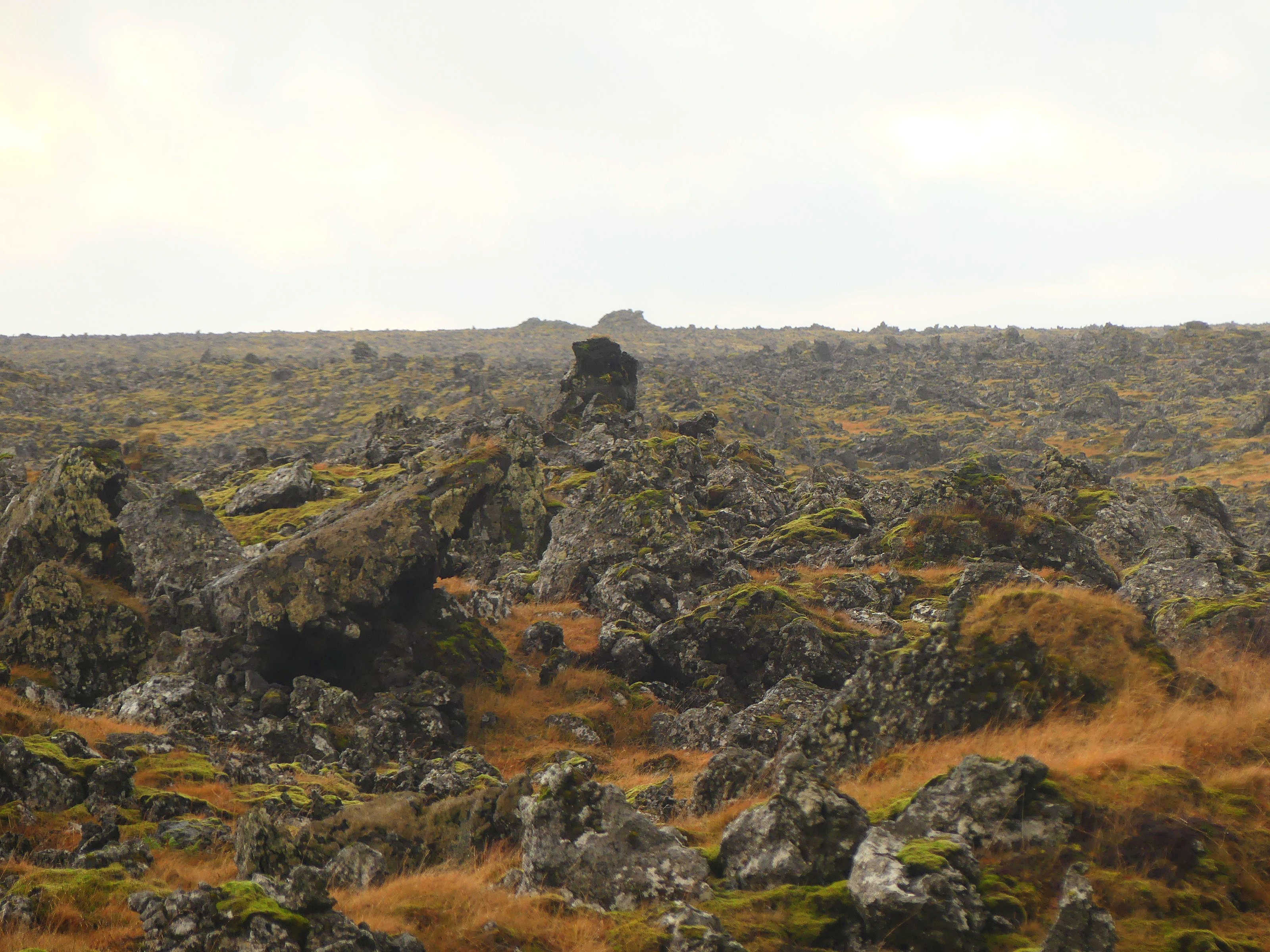
Assuming that in the past Icelandic farmers were as sensible and economical with their energy as any others, might there be a reasonable, but lost explanation? Could the walls be to direct sheep, not to make pasture but so that they herded themselves, a kind of large sheep fold, like the one at the edge of the lava (below)?

p1380448

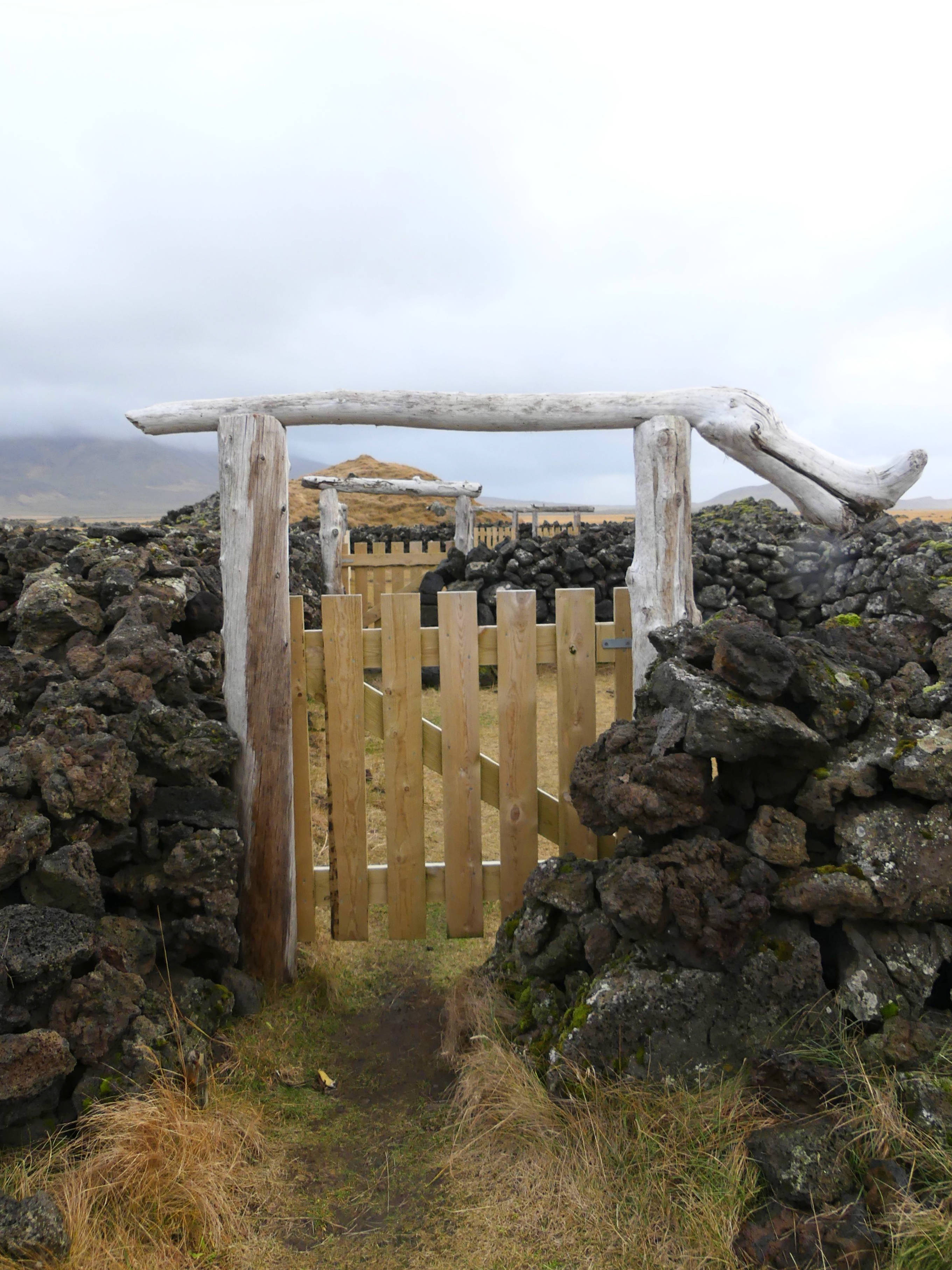
Driftwood helps. Is drifting the principle here? To reap the benefits of summer labour in the winter, when labour is just too exposed on the open earth?
p1380464_2

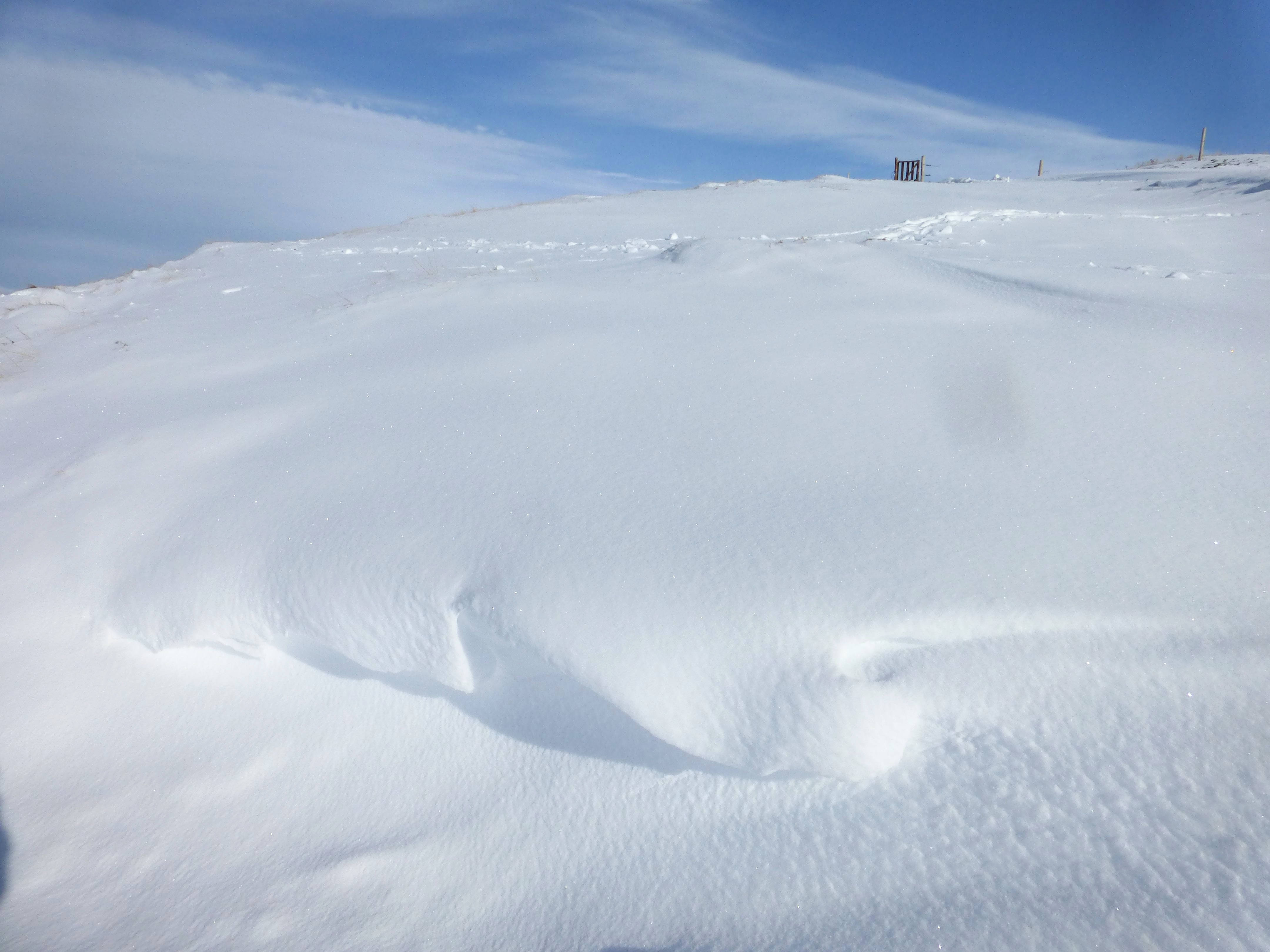
Or is it to direct the snow, to bare some slopes for sheep and to bury others with snowdrifts, to provide fresh water in the spring and early summer? It could be. I don’t know.
drifted


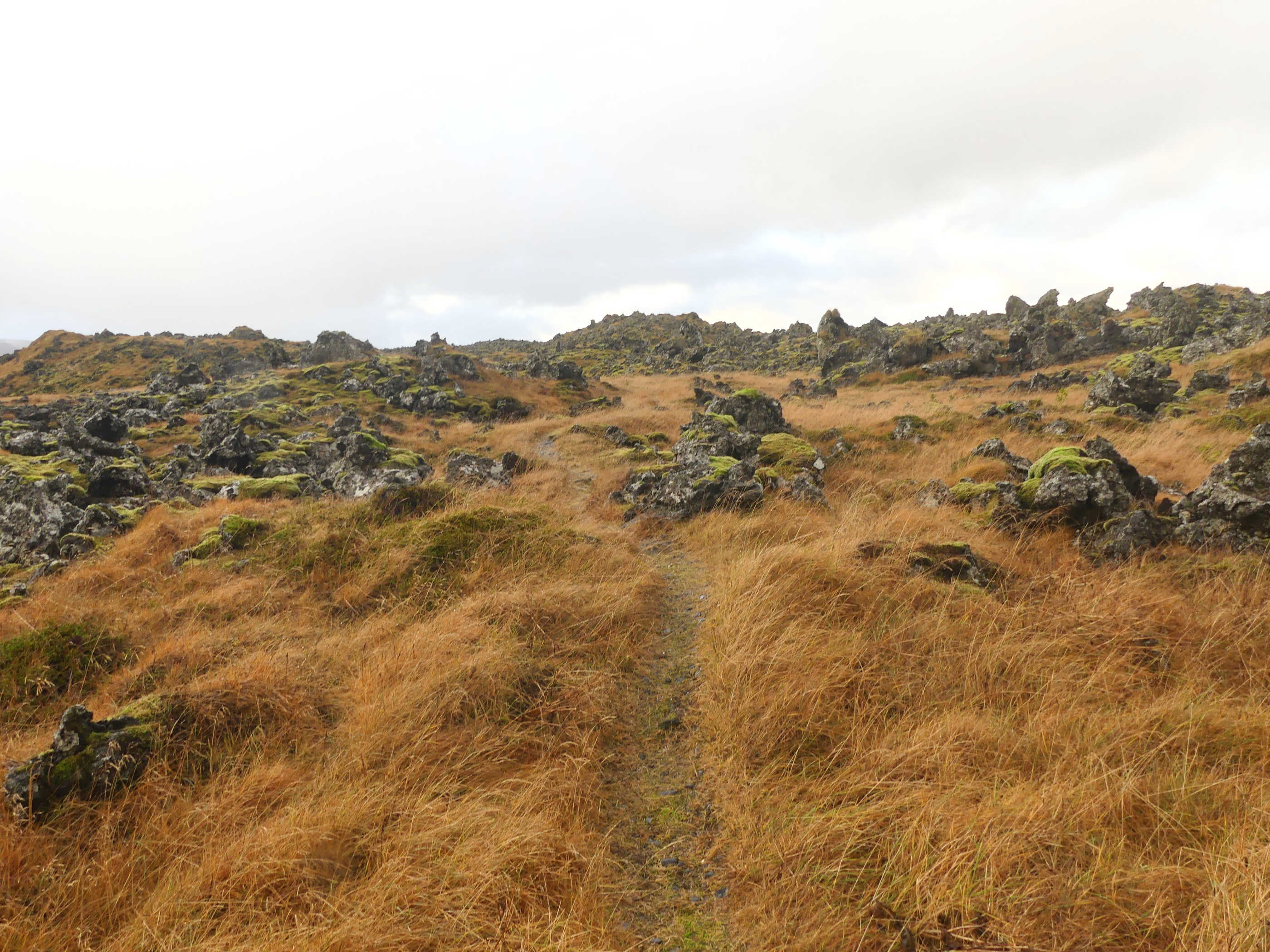
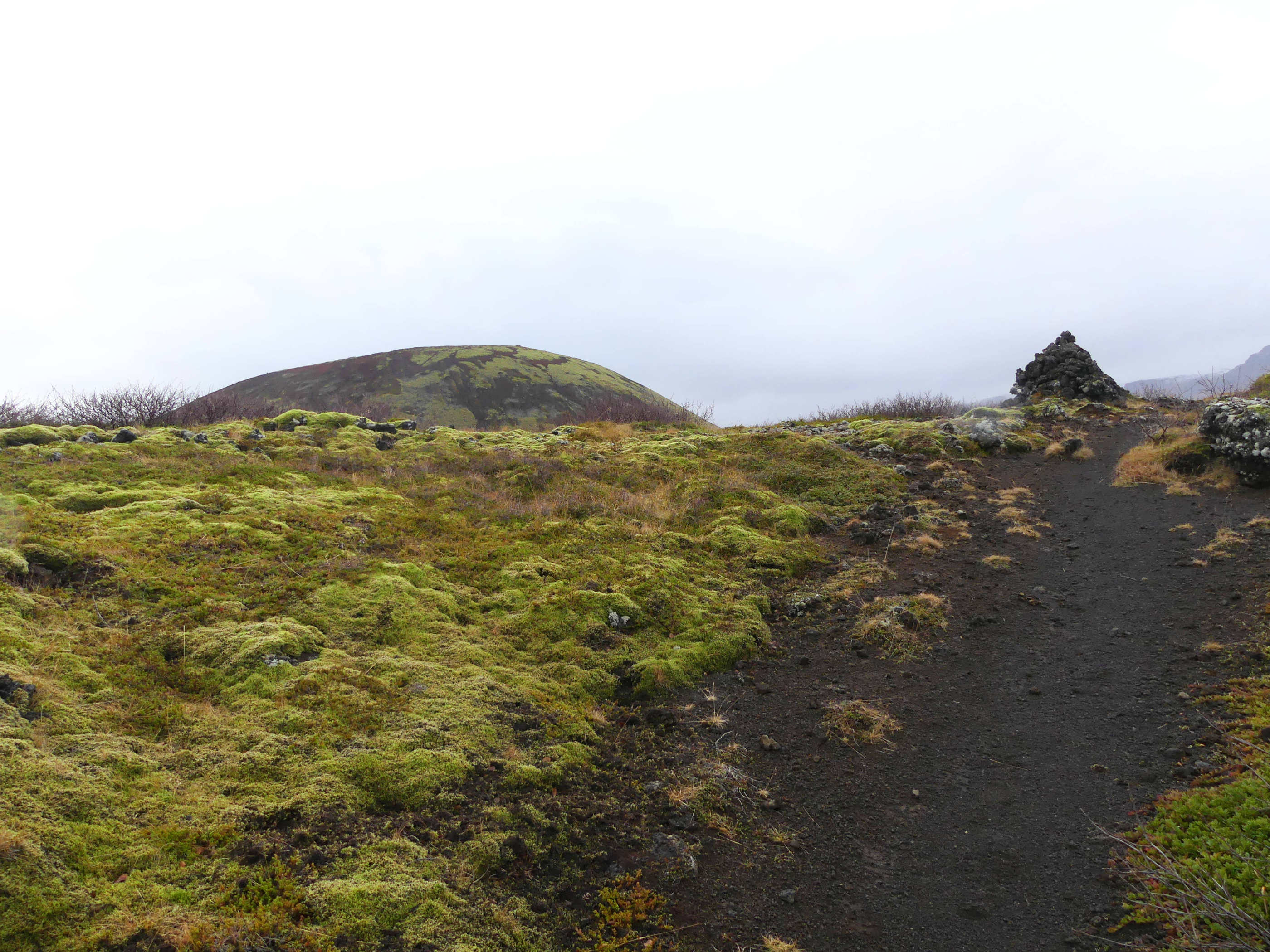
It wasn’t a fence to guide human walkers in the fog and the dark. Cairns were used for that.
p1380775

Might it have been to separate the fields by the shore from the fields by the mountain…

p1350699

… to keep sheep from drifting away from survival food, winter’s seaweed…

p1350933

Sheep Pasture at Dritvik

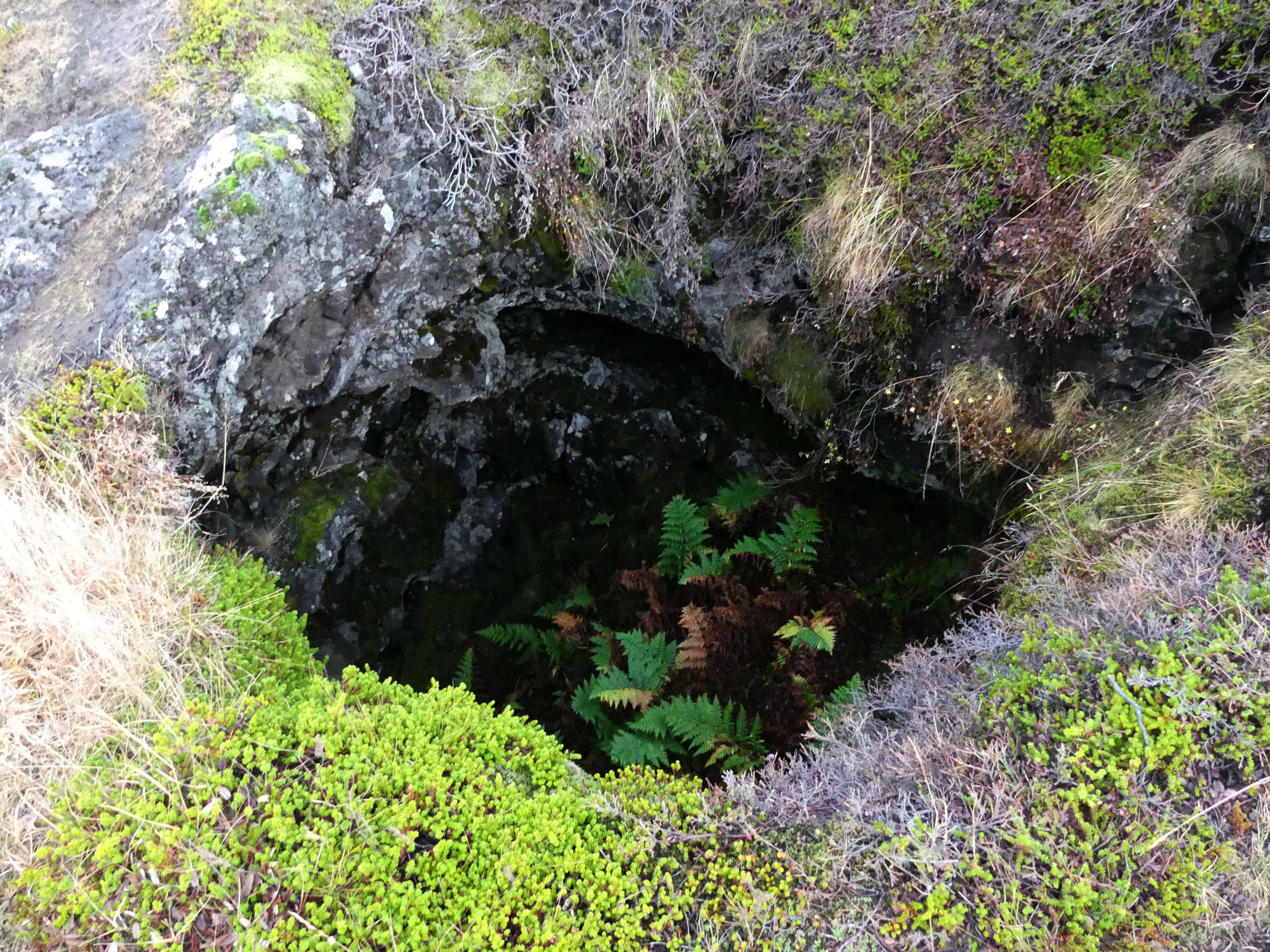
…into perilous holes in the lava?
p1380860

Is it, in other words, about thinking with the land? Is this the wealth that Gunnar Gunnarsson said was at the heart of poverty? Is this an extension of the principle “when you run out of hay anything is hay, anything at all” to land itself, on the lines of “when you run out of pasture anything is pasture,” even if it is only an extension of the poverty of one man over another? Could this be love of land?
p1310618

In a country in which only a landowner could wed and have children, the impetus to own any kind of land, in any kind of poverty whatsoever, must have been intense. Is that what we’re looking at here? Love?

p1380569

The stubbornness not to disappear of a people from whom the benefits of community were continually removed, often by foreign traders?

p1370090

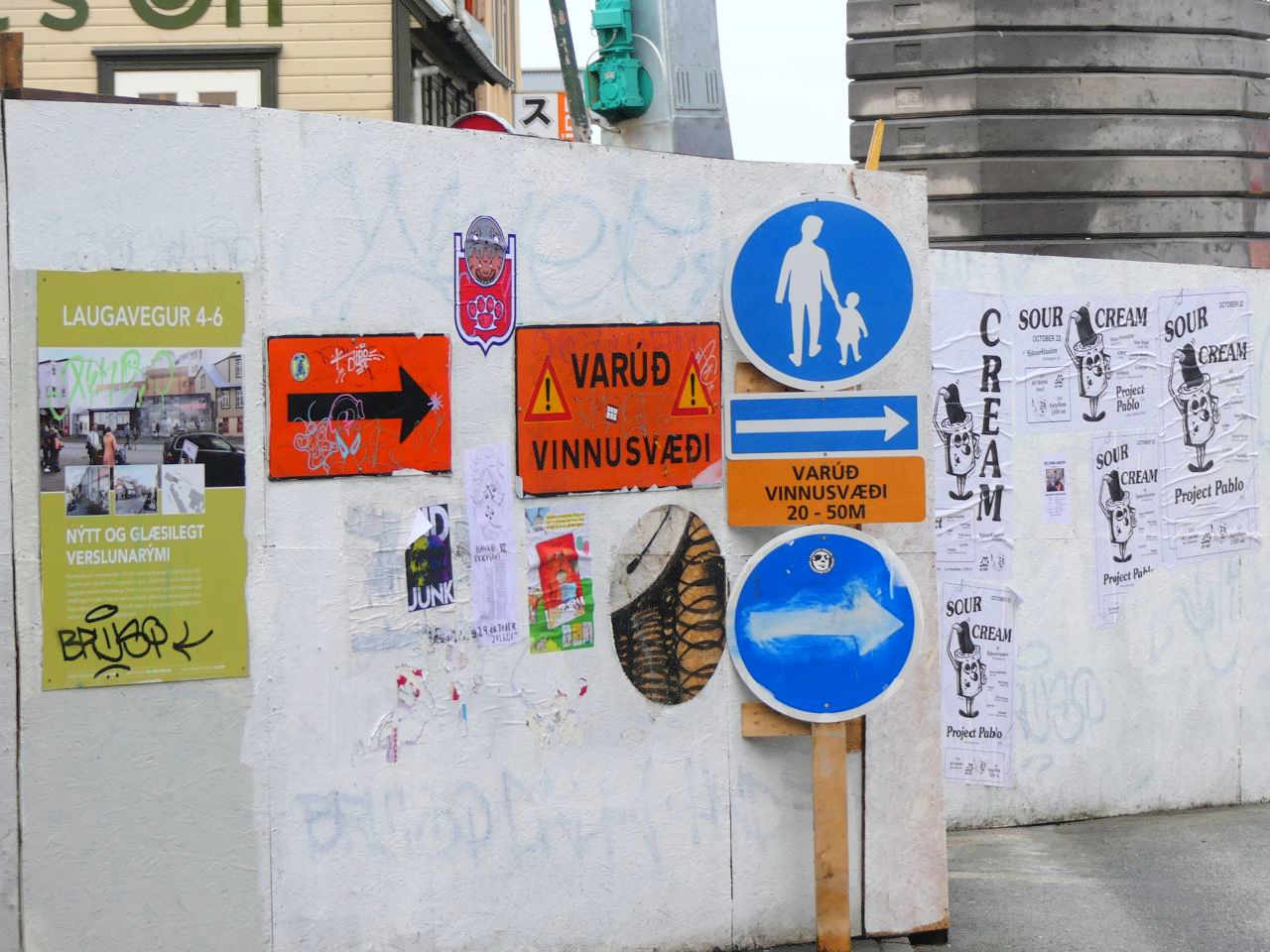
Is drift a way of holding on by bending the way a path goes? I don’t know. Is it still going on?
p1330218

Is this the principle of drift? Are some fences made of the mind and duty?p1330714
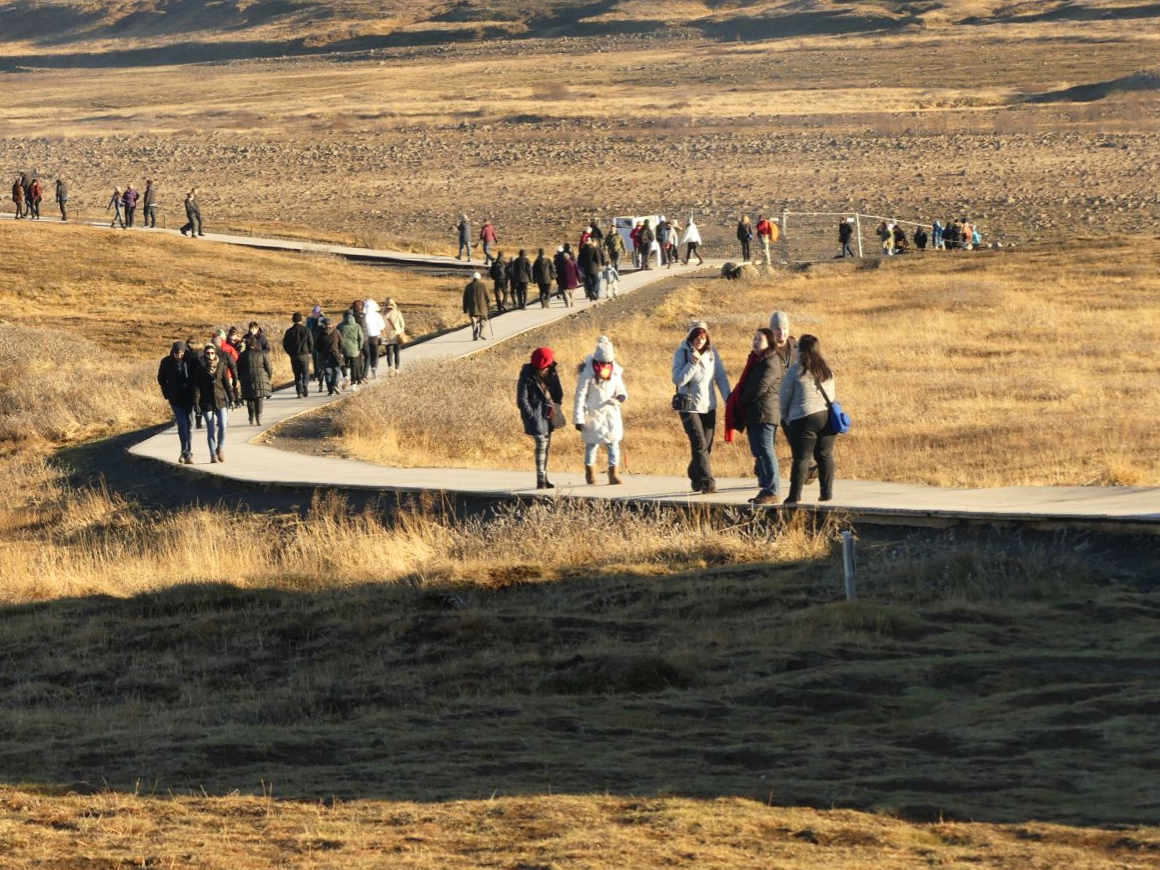
Is this how 1,500,000 tourists are safely guided through the cold every year by a few hundred front line Icelanders?

wetpair

I bet the sheep know.


Cool Life in Reykjavik

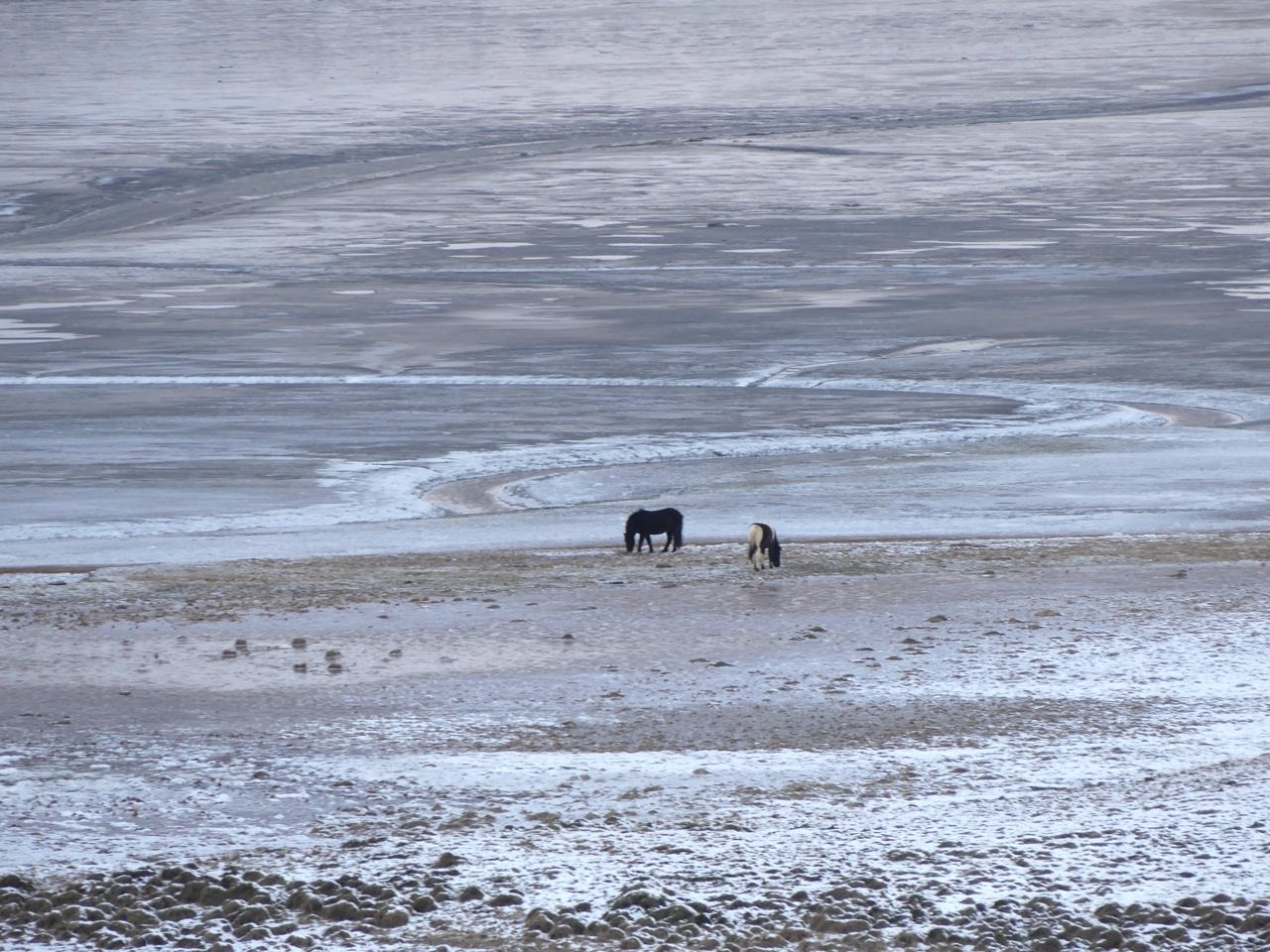
In the global city, money is made and stuff is imported from the world. This stuff is often cheap, as a representation of Icelandic global economic clout, although it does represent wealth and connection.
p1330196
Often the process of Icelandization is to treat this adopted material with humour born of poverty. Jokes of this kind are serious business. They warm a cold world.

Being At Home on Earth

Just a few metres away from a ruined farmhouse.p1310488

…some people cross the line to make images of themselves…
p1310493

… or of nature…

p1310487

… but not of how to live in it…

p1310489

… not of how to be home, or of how that continues when you leave.

p1310510

Or of what it means to stay.

p1310618

The earth is a social space.

stack

Human society is something different.

p1310671

Nature becomes a space of disobedience. This is called freedom.

p1310449

Isn’t it time to go home to the earth?

p1320175When you live there, there is no nature.p1320264There is a different freedom.p1320246

Obedience.

p1320233

Not everyone can leave for the city.

p1330190


Nationalism in Iceland

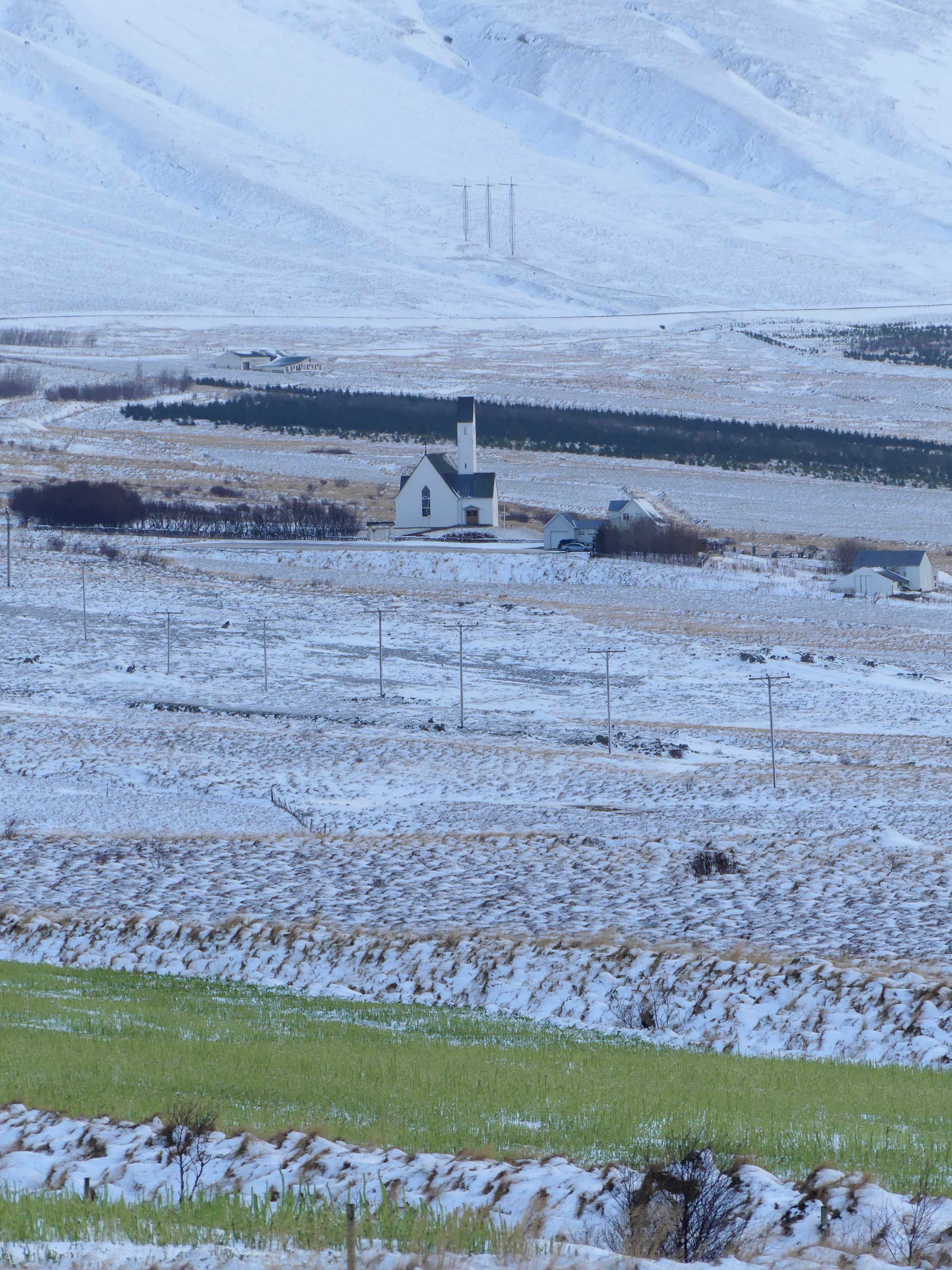
A pretty pastoral scene in Hvaljördur, right?

p1400354Saubæjarkirkja

The barren hills are caused by the sheep that make a nation possible here. The birches in the churchyard would have been all over them 1100 years ago. More trees would be desirable, but lamb is already $35 a kilo. That’s a hard practical choice. The church is a symbol of many things, including the parliament of 999-1000 that made Christianity the country’s public religion (without denying private paganism), the loss of nationalism to the Norwegian Crown a half millennium ago, the power of land-owners to collect church tithes, and the cementing of Christian values (and at times oppression) in communities of itinerant labourers, almost serfs, in continual movement around the country. The forest behind the church is part of the late 19th century and early 20th century movement to re-settle the land and reclaim nationalism from Denmark. The long distance transmission line is part of the support network for the American aluminum plant behind me when I made this image. The reservoir that supplies these lines with power drowned some of Iceland’s most beautiful wilderness, yet, arguably, provides the funds that allow Iceland to remain independent. The green field crop represents the heavy industrialization of agriculture which enables a people, in love with the power of American urban values and who have left to land, to eat off the labour of 4500 people. The ditches across the field, for drainage, allow for increased yields for this industrialized agriculture. Everything you see here is a technology for survival. Everything is a carefully calculated choice. Nothing is frivolous. So, yes, if you call that pastoral, this is. Gunnar Gunnarsson would have said it was. I do, too.

The Secret to Iceland’s Football Success

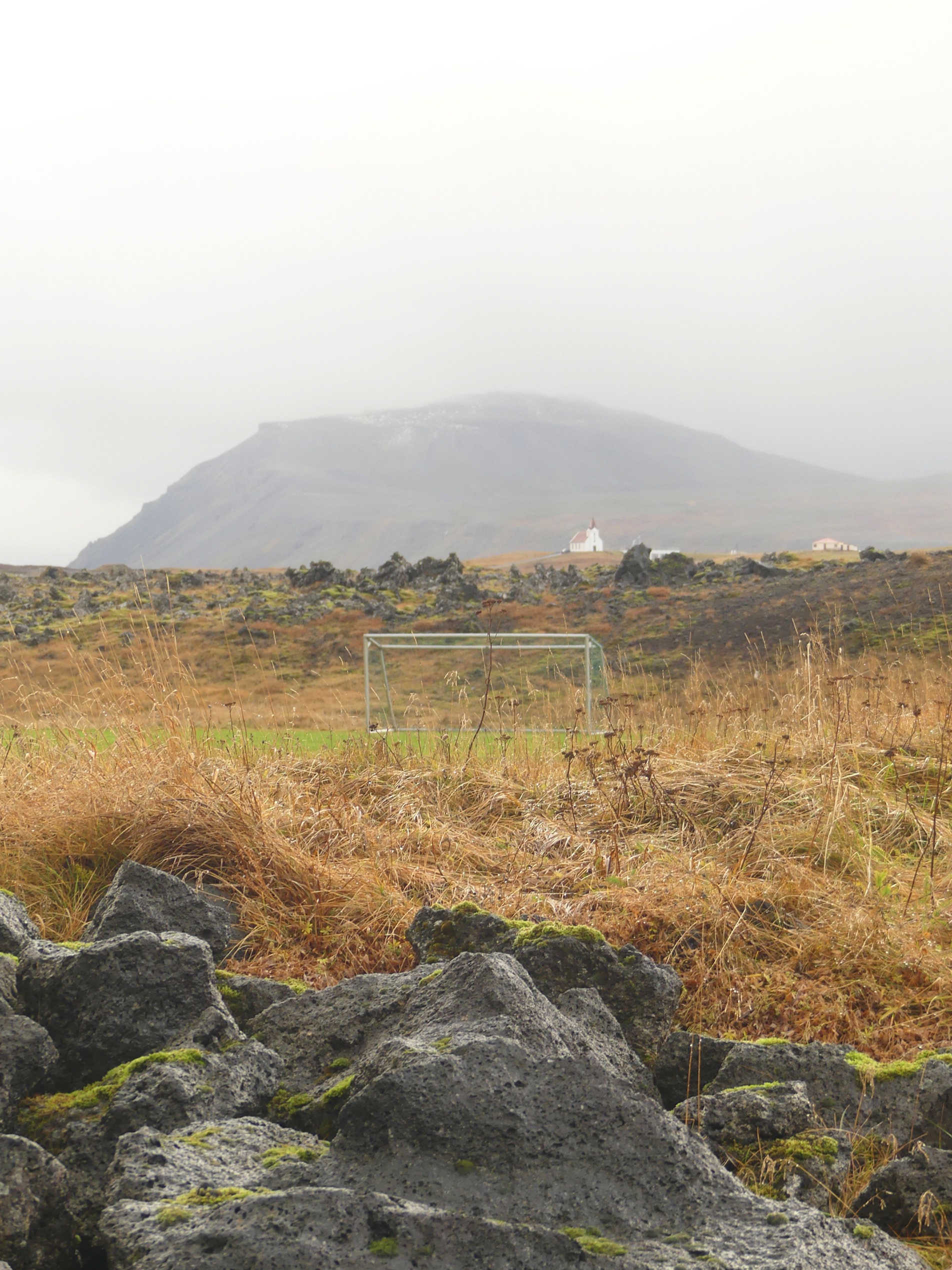
So, you want to play football. Or soccer. Call it what you like, but there are obstacles to overcome.  Take the town of Hellisanður, for example. Just finding a football pitch is a challenge. p1350586

You’re liable to throw a hoof, too.

p1350591

Well, no point in crying the blues.  Stop thinking about the volcano. Easy, boys.

p1380168

It’s time to roll up the wool sweater and start looking. Football waits for no lava lump.

p1350597

Aha!

p1350610

Now, that wasn’t so hard, was it. Tucked away out of the wind, with a view from the pulpit.

p1350624

On some days, I tell ya, you don’t need an opposing team. You’re playing against 35 metre per second winds off of the North Atlantic and the monsters that throws up onto the shore.

p1350838

But, wait, what’s this…

p1350618

Elvish fans!

p1350598

A crowd, actually.

p1350613

Analyzing your every move.
p1350623

Every error is mourned naturally, without holding back.p1350622

Every victory is cheered, wildly.p1350621It’s not a game. It’s a world.
p1350619

It’s not just played with a ball. It’s multi-dimensional. It knits together the dimensions. It’s shared.

p1350636

Just stop thinking about the volcano.

p1380231

That’s all.


Respect Iceland

This half-frozen waterfall just above tideline, with its troll and its troll sheep, is not on any tour route and, like most of the beautiful places in Iceland, is not on any map.
p1390786
The really beautiful stuff you have to find on your own. When you do, after that effort, you’re not likely to tell anyone where it is, and it wouldn’t matter if you did, because the moment would be past. This is called respect.

Sea Horses in Iceland

p1400281 In Borg

Welcome  to the idea that before the world of book knowledge became dominant in human culture, the opening of the world through human imagination had real and measurable effects many layers deep — ways of opening human imagination through the world, in a series of moments in which world and imagination flow without direction, together, from world to mind and mind to world, at once. It is the way of this planet.

p1390965A Waterfall Brings the Dead to Life near Höfn in Borgarbyggð.

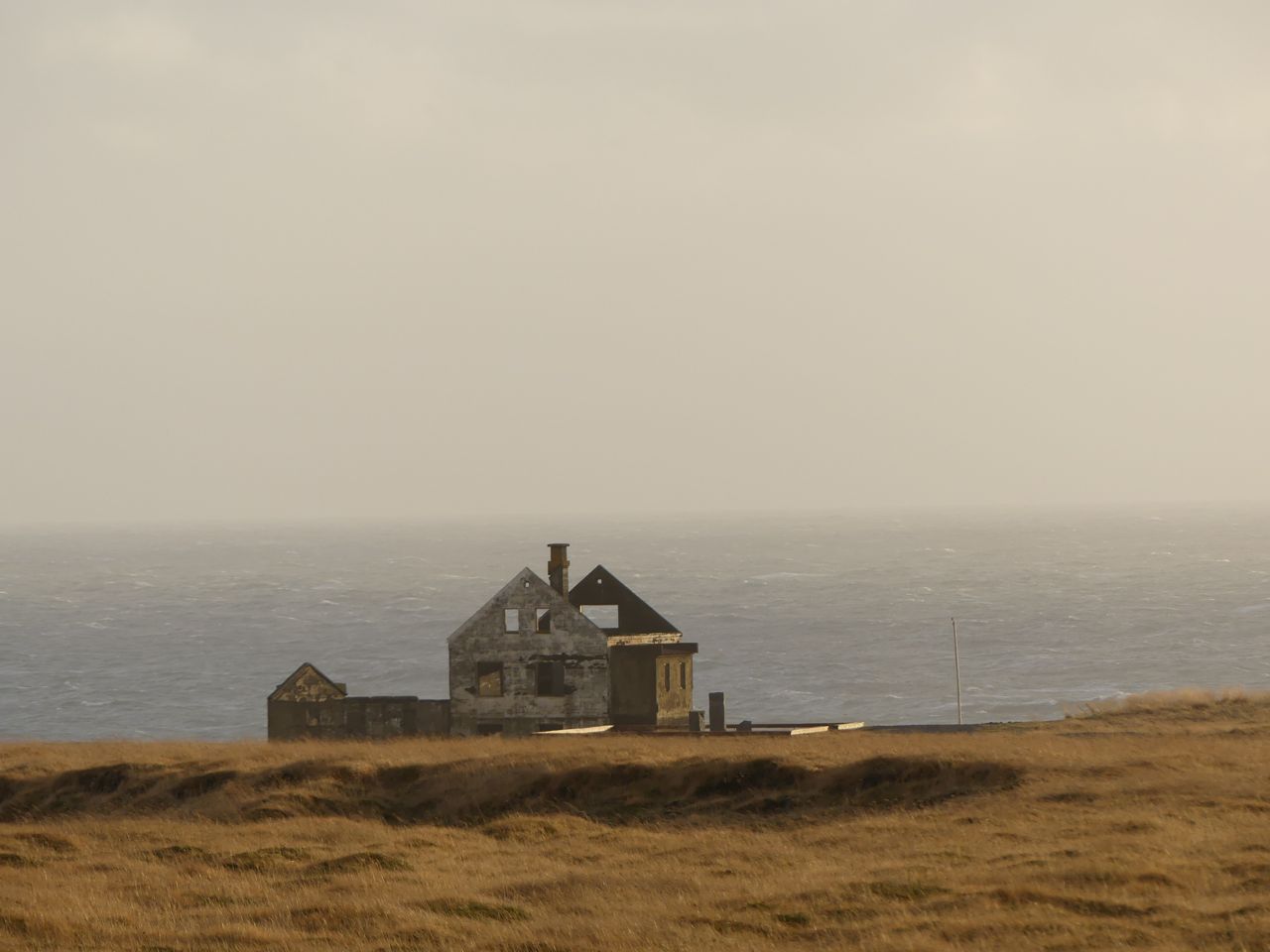
Of course, these effects cannot be measured, but the effects of ignoring this responsibility of care can, even when the reasons are sound, as is the case with the abandoned house in the image below: cold, starvation, crushing poverty and isolation in a transition from a barter economy to a capitalist one in Twentieth Century Iceland.

p1380152Grief in Snaefellsnes

We have all sought a new world, as the people who lived here did. There is, however, only the old one. It is time to come home to the Earth, as our indigenous brothers and sisters have been asking, for a long time.

p1400187

Winter Settling into Borgarbyggð

An Icelander’s Secret Faith

In his speech “Our Land”, with which he tried to prevent a German invasion of Iceland in 1940, Gunnar Gunnarsson wrote that the long months of Icelandic winter darkness were as much a part of the Icelandic soul, in a positive way, as the long months of light, and that an Icelander, a person of the land, could not be removed from it. I read that as an attempt at planting the suggestion in Hitler’s head that an Icelander was a true person of the land, and a German was not — either in Germany or Iceland. Those were dangerous and courageous words, whether they were true or not. There is a report that after Gunnar gave this speech in forty cities in Germany and Occupied Europe, Hitler screamed at him and threatened him with … wedon’t know with what, but most writers threatened by Hitler and his inner circle were threatened with death should they ever write again. Gunnar scarcely did. Was it that he was frightened? Or was it that his work was over, because the British invaded within two weeks, denying any possible German foothold? The answers are lost to history, but the observations about the land remain. I have come in these months of darkness to try to understand. Look how dark it is here:

p1390341Looking South

What do you think? Is this darkness?

p1390340Looking North

In his book Advent, another of Gunnar’s psychological manipulations, Gunnar wrote about a man’s true friends, a dog, a ram and a horse, and how they gave their lives freely to a man who one day would have to take those lives.

p1390390Sheep Will Roam

Gates optional.

In Advent, Gunnar was writing about many things: Christ, writing, Gunnar, and the Germany of 1936. Was he telling his German readers that Hitler would ask for their death one day, in ways without the Christian mercy or poetic symbolism of his own faith? We will never know (although it seems likely), but the animals remain, as human companions in this vast space.

p1390142Is that darkness? Is that an empty space? Is it people who spring from this land, or something else? Faith perhaps? At any rate, people are not alone here.

p1390113And, let’s face it, with his lines about darkness, Gunnar was not talking about Iceland. He was talking about something symbolic, something psychological, something that did not come from a world of light but which was expressed, in Gunnar’s Iceland, in a world of light. It is not something which falls easily into non-Icelandic categoreis. The image below shows a place of human habitation in Gunnar’s world.

p1390399Notice how the house is not a dwelling. The land is the dwelling. The house is a small shelter to protect human weakness, but the dwelling place is out in the fields, between stone and sky. Even the water flows with primal force here: the sky made liquid.

borgarfjordurwater

Even the setting sun. This is Borgarfjördur, where Gunnar bought property from his book sales, before moving back to East Iceland from Denmark in 1939, shortly before his disastrous (or successful?) speaking tour in wartime Germany. This would be the land and darkness he was talking about, here in one of the seats of Christian Iceland, on the shoulders of its darkest pre-Christian sagas. Let this be a warning to all of us trained in post-Christian intellectual traditions: we do courageous men such as Gunnar wrong to read him outside of his faith.

p1390408